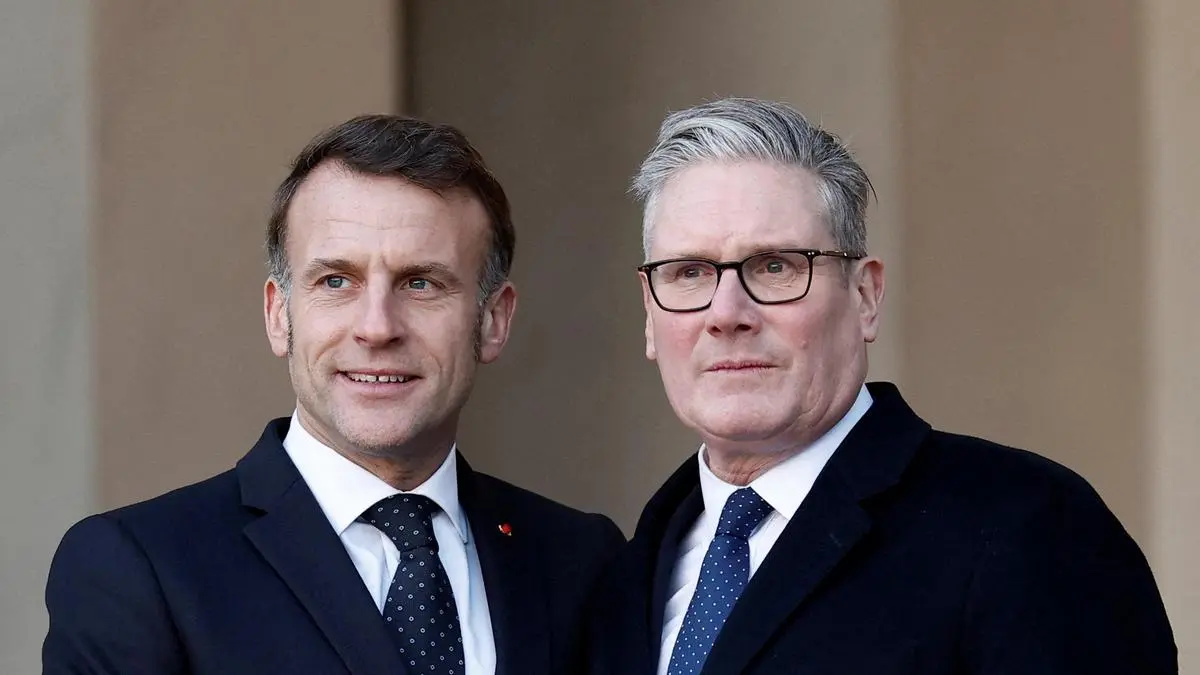
The world’s most dangerous chokepoint is effectively a graveyard for global trade right now, and Keir Starmer and Emmanuel Macron think they’ve found the shovel to dig us out. On Friday, April 17, 2026, the two leaders are gathering forty nations for a virtual summit in Paris. Their goal? Reopening the Strait of Hormuz.
It’s an ambitious play. Since February 28, when the U.S. and Israel launched "Operation Epic Fury" against Iran, the 21-mile-wide waterway has been a no-go zone. Iran didn’t just threaten to close it; they’ve spent the last six weeks enforcing a blockade with sea mines, drone swarms, and ballistic missiles. Now, with inflation spiking and jet fuel running dry in European hubs, the "Strait of Hormuz Maritime Freedom of Navigation Initiative" is the West’s latest attempt to stop the bleeding without starting a world war.
The Strategy Behind the Paris Summit
Don't be fooled by the polite diplomatic language. This isn't just a meeting about shipping lanes; it’s a high-stakes effort to bypass the U.S. blockade of Iranian ports and create a "strictly defensive" escort system. Macron is being very clear about one thing: this mission is for "non-belligerent" countries.
The U.S. isn’t at the table for this one. That’s a massive detail most people are glossing over. While Donald Trump’s administration is busy enforcing a total blockade on Iranian exports, the UK and France are trying to thread a needle. They want to protect commercial tankers while avoiding the appearance of being an extension of the U.S. Navy.
The summit focuses on three main pillars:
- Mine-clearing operations: Iran has turned the seabed into a minefield. You can’t move a tanker until those are gone.
- A "Coalition of the Willing": About 40 countries, including Germany, are looking to provide intelligence and physical escorts.
- Securing the Ceasefire: There’s a fragile two-week truce on the table, and this summit is designed to turn that pause into a permanent reopening.
Why the Global Economy is Screaming for a Fix
If you’ve noticed your grocery bill jumping or your flights getting canceled, the Strait of Hormuz is likely why. One-fifth of the world’s oil and 20% of global Liquefied Natural Gas (LNG) usually pass through this tiny gap. Since the conflict began, tanker traffic has dropped by roughly 80%.
We’re seeing the "supply-chain bullwhip effect" in real-time. It’s not just about the price of a barrel of oil. It’s about the fact that 150 ships are currently idling outside the strait, waiting for insurance companies to give them the green light. Right now, insurance premiums are so high that sailing through is basically a suicide mission for a shipping company’s bottom line.
The Iran Toll Booth
In a bizarre twist earlier this month, Iran actually tried to "reopen" the strait on its own terms—by charging a $1 million "toll" per ship. It didn't work. The failure of the Islamabad talks and the subsequent U.S. naval blockade of Iranian ports on April 13 have made the situation even more volatile. Starmer says Iran is "holding the world economy to ransom," and he’s not wrong. But the UK-French plan has to solve a problem that isn't just military—it's legal and financial.
The Massive Risks Macron and Starmer are Taking
You've got to wonder if a "strictly defensive" mission can actually survive in a combat zone. If a French frigate or a British destroyer is escorting a tanker and an Iranian drone swarm attacks, "defensive" goes out the window pretty fast.
- The U.S. Absence: By excluding the U.S., Macron and Starmer are trying to de-escalate. But without the U.S. Fifth Fleet’s massive footprint, does this new coalition have the actual muscle to deter the IRGC?
- The Mine Problem: Clearing mines isn't a weekend job. It’s slow, dangerous, and requires specialized equipment that most of the 40 invited nations don't actually have.
- The "Dark Fleet": Iran is still moving oil using AIS spoofing and fraudulent flagging. A structured, international mission might actually make it harder for the "shadow fleet" to operate, which could provoke Iran further.
What Needs to Happen Now
If you’re a business owner or an investor, don’t expect the pumps to start flowing at full capacity tomorrow. The Paris summit is a "planning" phase. Colonel Guillaume Vernet, the French military spokesman, has already admitted the mission framework is still being built.
Watch for these specific moves over the next 72 hours:
- Announcement of Command: Who is actually leading the fleet? If it’s a joint Franco-British command, it’s a serious military commitment.
- Coastal State Cooperation: Will Oman or the UAE sign on? Without their ports and cooperation, an international mission is dead in the water.
- Insurance Re-rating: The moment Lloyd’s of London or other major insurers lower their risk rating based on this summit, you’ll know the plan has teeth.
The reality is that we're looking at at least two years for Middle East oil production to hit pre-crisis levels, according to the IEA. Macron and Starmer are trying to prevent a total global collapse, but they're playing a game where the rules change every time a missile is launched.
Keep an eye on the results of today's virtual meeting. If they can't get a firm commitment for mine-sweeping vessels and a unified rules-of-engagement agreement, this summit will be just another set of talking points while the global economy continues to stall. Don't wait for a "final resolution"—start diversifying your energy dependencies now.