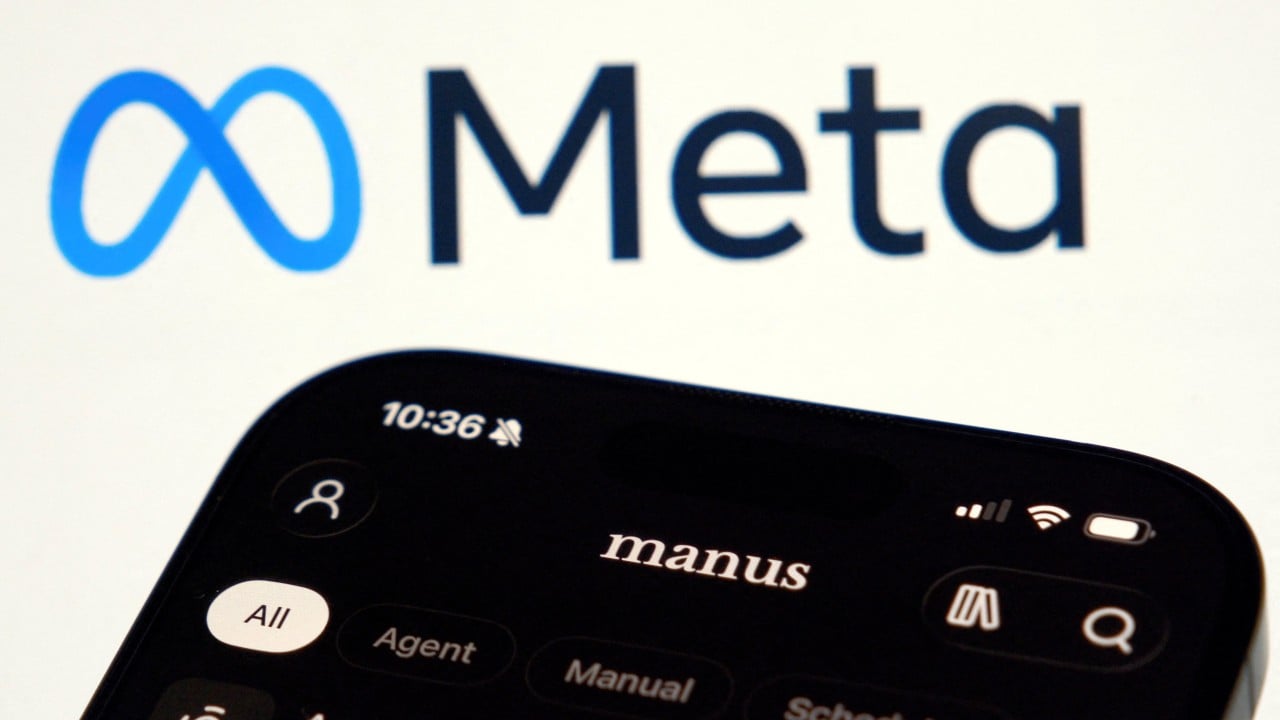
Big tech acquisitions rarely unravel after the ink dries. When China's National Development and Reform Commission slammed the brakes on Meta's roughly $2 billion purchase of AI startup Manus, it set a volatile new precedent for cross-border software deals. Manus is officially back on its own. The founding trio—Xiao Hong, Zhang Tao, and Ji Yichao—have regained control of the company to run it as an independent general-purpose agent research lab.
If you thought geopolitical lines wouldn't dictate the fate of autonomous AI agents, this messy corporate breakup proves otherwise. Let's look at what actually happened behind the scenes and why this split ripples through the entire tech ecosystem.
How a Two Billion Dollar Deal Collapsed
Meta announced the acquisition in late December 2025, aiming to fast-track its agentic AI roadmap by absorbing Manus. Manus had built massive buzz as a developer of advanced general-purpose agents capable of executing complex workflows like market research and data analysis independently.
The trouble started almost immediately. Born in China before moving its headquarters to Singapore, the startup possessed core engineering talent and model architecture that Beijing viewed as critical domestic technology. By April, China's regulators officially ordered the transaction undone under foreign investment security review mechanisms.
Unwinding a software merger isn't like returning a physical product to a warehouse. Meta had already integrated codebases, and employees had crossed corporate lines. Yet, pressure mounted quickly. Backed by strategic maneuvers involving major players like Tencent Holdings stepping in for share buybacks, the forced reversal culminated in Manus formally announcing its return to solo operations.
The Real Cost for Everyday Users
Corporate boardrooms aren't the only places feeling the shockwaves. Real users caught in the crossfire faced unexpected data consequences.
Manus advised clients that certain user data generated on or after December 29, 2025—the exact date Meta first announced the buyout—needed manual backup and restoration. While the company clarified this was a structural necessity for regulatory compliance rather than a security breach, losing or migrating active workflow history is a nightmare for active developers and enterprise builders who rely on these agents daily.
What Independent Manus Means for the Market Now
Operating as an independent entity frees Manus from Western social media giant constraints, but it also forces them to stand on their own feet in a hyper-competitive AI race. Google, OpenAI, and Anthropic aren't slowing down.
The founding team plans to focus squarely on embedding agents deeper into external environments and daily workflows. Without Meta's infinite computing subsidies, they will have to rely heavily on new external funding rounds and strategic partnerships—potentially leaning into Asian tech giants to secure their financial runway.
Cross-border tech investment is permanently altered. Startups with roots in multiple jurisdictions now face a stark reality check regarding where they incorporate, who funds them, and how easily a sovereign government can veto a multi-billion-dollar exit. If you are building or investing in frontier software today, the Manus saga is your warning shot. Keep your cap tables clean, watch your regulatory compliance closely, and never assume an acquisition is permanent until the geopolitical dust settles completely.