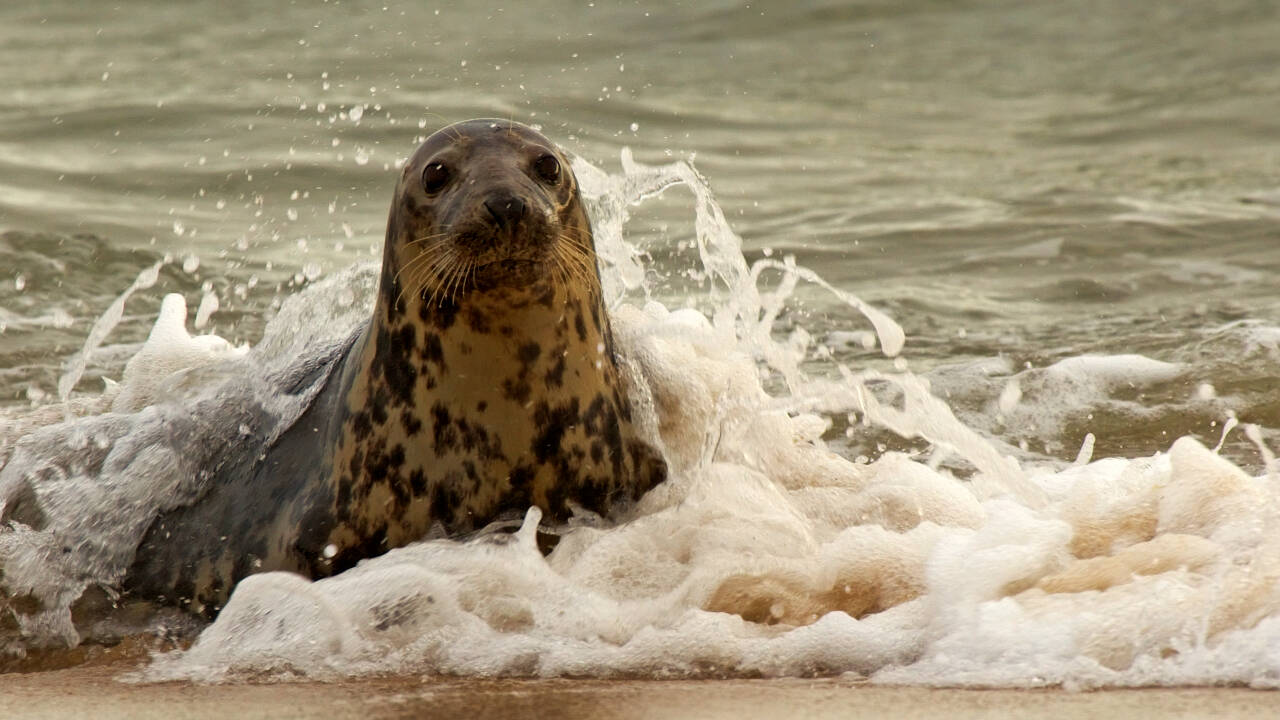
Marine mammal rescue operations consistently encounter a distinct vector of anthropogenic mortality: non-biodegradable polymeric debris constriction. When a grey seal (Halichoerus grypus) in Norfolk is recovered with four kilograms of industrial netting and packaging bands embedded deep in its cervical tissue, the immediate triage represents only the initialization phase of a high-variance, multi-variable medical and operational intervention.
Deconstruct the event past the headlines, and the structural realities of marine wildlife rehabilitation emerge as a rigorous exercise in veterinary pathology, logistical strain, and biological resilience. This analysis deconstructs the physiological mechanics of cervical constriction, the cost function of extended marine mammal rehabilitation, and the systemic bottlenecks governing wildlife rescue outcomes.
The Mechanics of Cervical Constriction
Marine debris entanglement is rarely an acute, clean trauma. It is a chronic physiological stressor characterized by a progressive mechanical failure of soft tissues. As a seal grows or moves through dynamic marine currents, persistent polymeric loops exert localized shear stress and compressive force on the integumentary and muscular systems of the neck.
The physiological cascade follows a predictable pathological trajectory:
- Frictional Abrasion and Compromise of the Integument: Initial contact breaches the epidermis and dermis. Marine environments introduce high concentrations of halophilic bacteria, accelerating secondary microbial colonization within the micro-abrasions.
- Subcutaneous Migration and Granulation Tissue Formation: As the animal attempts to escape the restriction or as normal physiological movement drives the material inward, the foreign body migrates through the subcutaneous fat layer. The body responds with chronic inflammation, generating excessive granulation tissue that attempts to wall off the polymer, effectively embedding the line within living tissue.
- Vascular and Neurological Impairment: Deep constriction compromises superficial blood vessels, leading to localized ischemia, tissue necrosis, and eventual fibrosis. If the pressure gradient affects major cervical blood supply or nerve bundles, motor function and systemic homeostasis degrade rapidly.
- Metabolic Depletion: Chronic pain and localized infection exact a heavy bioenergetic toll. The animal diverts metabolic resources from thermoregulation, foraging efficiency, and immune defense toward continuous tissue repair, culminating in severe emaciation.
Removing four kilograms of dense, embedded plastic requires specialized surgical excision under heavy pharmacological immobilization. The intervention itself carries high risk due to the compromised integrity of underlying blood vessels and the potential for rapid systemic shock upon the release of sequestered metabolic toxins from necrotic zones.
The Cost Function of Extended Rehabilitation
Rehabilitating an apex marine predator over a multi-month timeline is constrained by three primary resource variables: specialized labor, spatial infrastructure, and pharmacological overhead.
Unlike terrestrial animal rehabilitation where enclosure size scales linearly with weight, marine rehabilitation demands complex fluid-dynamic environments.
$$\text{Total Rehabilitation Cost} = f(\text{Duration}) \times (\text{Water Filtration Load} + \text{Caloric Input} + \text{Veterinary Manhours})$$
The Water Quality Variable
Seals produce immense organic waste relative to their body mass. Maintaining a pristine aquatic environment for an immunocompromised, post-surgical marine mammal requires industrial-grade filtration systems, protein skimmers, and continuous UV sterilization. Energy and chemical costs for water maintenance scale non-linearly with the duration of stay, forming the single largest operational expenditure for rescue facilities.
The Nutritional Input Function
An emaciated seal requires a hyper-caloric diet to reverse negative energy balance and support tissue regeneration. This necessitates a continuous, reliable supply of high-grade marine telefish (such as herring or mackerel). Supply chain volatility and storage logistics for hundreds of kilograms of frozen fish create a rigid operational bottleneck.
The Behavioral Conditioning Matrix
Prolonged captivity introduces behavioral degradation, including habituation to human handlers and muscular atrophy from restricted swimming vectors. Rehabilitation protocols must transition the animal through three distinct phases:
- Phase I: Clinical Stabilization and Wound Management: Strict isolation, antibiotic therapy, fluid resuscitation, and surgical debridement.
- Phase II: Aquatic Rehabilitation and Muscle Recovery: Introduction to shallow pools, forced swimming dynamics, and live-prey introduction to stimulate hunting instincts.
- Phase III: Pre-Release Conditioning: Minimized human contact, deep-water endurance testing, and environmental acclimation.
Systemic Bottlenecks in Marine Conservation
The operational capacity of marine rescue networks is fundamentally mismatched with the rate of anthropogenic marine debris accumulation. This mismatch creates structural vulnerabilities across the response pipeline.
[ Industrial / Consumer Debris ]
       │
       ▼
[ Pelagic Accumulation Zones ]
       │
       ▼
[ Marine Mammal Encounters ] ──(Chronic Constriction)──> [ Emergency Intervention ]
                                                               │
                                                               ▼
                                                        [ Facility Capacity Bottleneck ]
                                                               │
                                                               ▼
                                                        [ Triage / Euthanasia vs. Rehab ]
When facilities operate at or above capacity, triage decisions become clinically and ethically complex. Prolonged rehabilitation of a single complex trauma case consumes resources that could otherwise support multiple acute, high-probability stabilization cases. The decision to commit months of institutional bandwidth to a heavily compromised animal is governed by a strict prognostic assessment: can the animal regain sufficient structural integrity and behavioral autonomy to survive independently in a high-competition marine ecosystem?
Strategic Operational Directive
To optimize rescue outcomes and mitigate the systemic strain of long-term marine mammal rehabilitation, operational frameworks must shift from reactive triage to predictive network allocation.
First, rescue facilities must establish standardized biometric scoring matrices that quantify tissue necrosis and metabolic depletion upon intake, removing subjective bias from long-term retention decisions.
Second, resource-pooling models across regional networks should be institutionalized to distribute the high-cost burden of prolonged water filtration and specialized veterinary surgery across broader conservation grants.
Finally, policy vectors must target the primary source variable—industrial packaging and discarded commercial fishing gear—through mandatory gear-marking and extended producer responsibility frameworks, addressing the root pathology rather than perpetually managing downstream casualties.