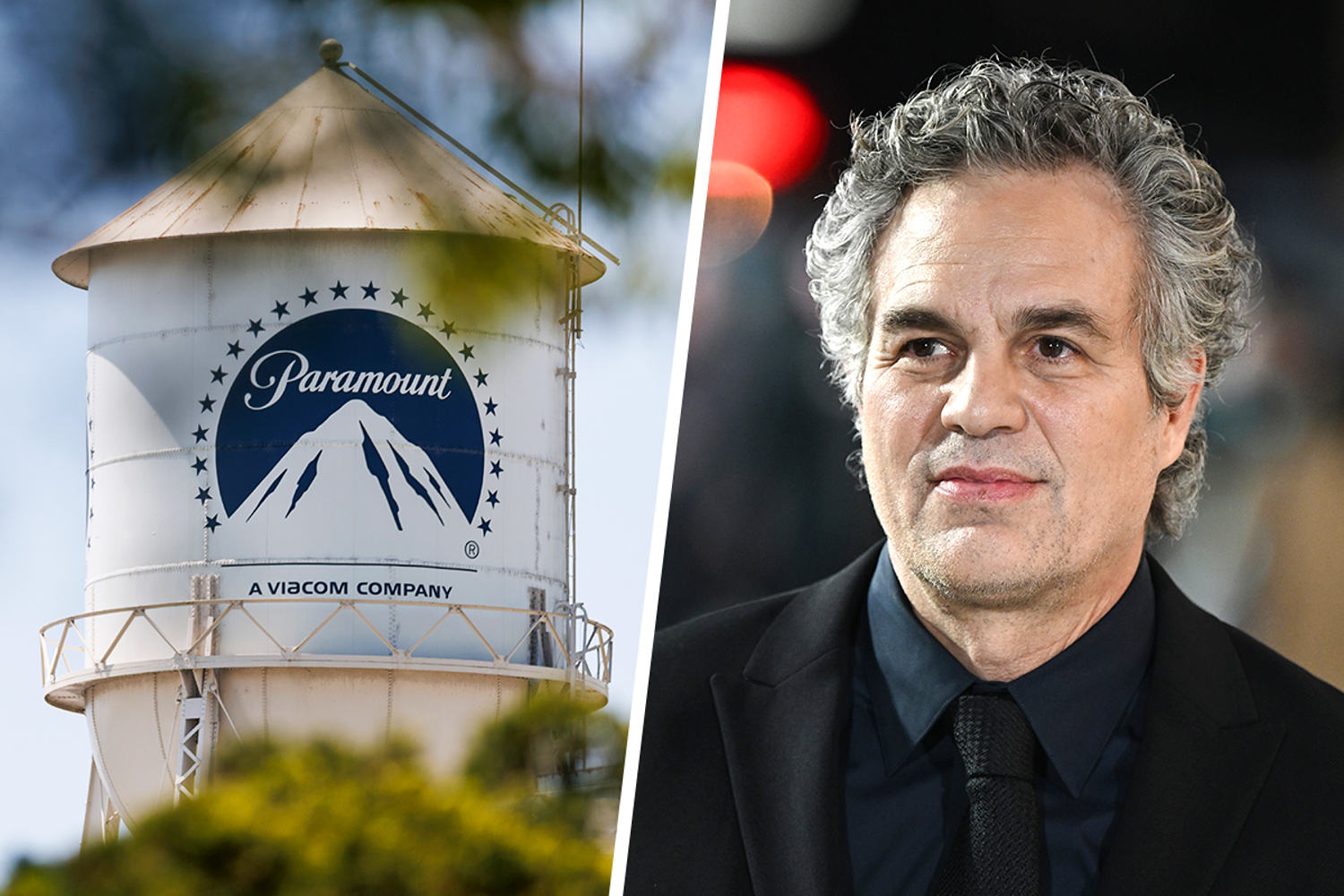
Corporate media mergers rarely spark street-level outrage, but the massive corporate play involving Paramount Skydance and Warner Bros. just turned into a bitter ideological war. Actor Mark Ruffalo recently found himself labeled antisemitic by studio representatives after launching a scathing public critique of the multi-billion-dollar deal.
If you think this is just standard Hollywood posturing, look closer. The clash exposes how quickly modern business disputes morph into toxic political warfare, leaving fans and observers caught in the crossfire.
The Spark That Lit the Fire
The controversy started when Ruffalo took aim at the proposed $111 billion mega-deal. He targeted the Ellison family—specifically David Ellison and his father, Oracle co-founder Larry Ellison—labeling them oligarchs. Ruffalo shared content linking Oracle's defense and surveillance technology contracts to military operations, tying corporate consolidation directly to geopolitical conflicts.
Paramount didn't stay quiet. Representatives for the studio hit back hard, accusing the actor of deploying offensive antisemitic tropes. They argued that throwing around heavy terms like genocide and apartheid in the middle of a business argument crosses a serious line and cheapens genuine human suffering.
Corporate PR teams love shifting the battleground. When you can't defend the antitrust implications or the sheer concentration of media power, changing the subject to bigotry is a reliable distraction.
Ruffalo's Immediate Defense
Ruffalo fired back on social media, calling the antisemitism charge appalling and fundamentally dishonest. He drew a hard line between criticizing corporate executives, government contracts, or foreign policy, and holding prejudice against Jewish people.
He pointed directly to his personal history, noting that his career, activism, and worldview were deeply shaped by Jewish friends, colleagues, and loved ones who act as family. He argued that dissent against corporate titans gets slapped with unfair labels simply to shut down legitimate public scrutiny.
You can disagree with how an activist frames a corporate buyout, but weaponizing accusations of hate speech to silence media criticism sets a dangerous precedent.
What’s Really at Stake With the Merger
Stripping away the mudslinging reveals a massive structural shift in how we consume information. Handing a single family control over institutions like CNN, HBO, and Warner Bros. creates an unprecedented chokehold on cultural storytelling.
Key issues get lost when public discourse devolve into character assassination:
- Thousands of jobs face immediate danger as corporate redundancy cuts deep into newsrooms and production studios.
- Foreign funding backing parts of the deal raises legitimate national security and editorial independence questions that regulators keep dodging.
- Antitrust lawyers across multiple states are already scrutinizing whether the combination violates fair competition laws.
When billionaires buy up the cultural apparatus, public pushback is expected. Conflating valid economic anxiety with bigotry only proves how desperate major studios are to ram these transactions through without a fight. Keep your eyes on the regulatory deadlines, because this battle is far from over.