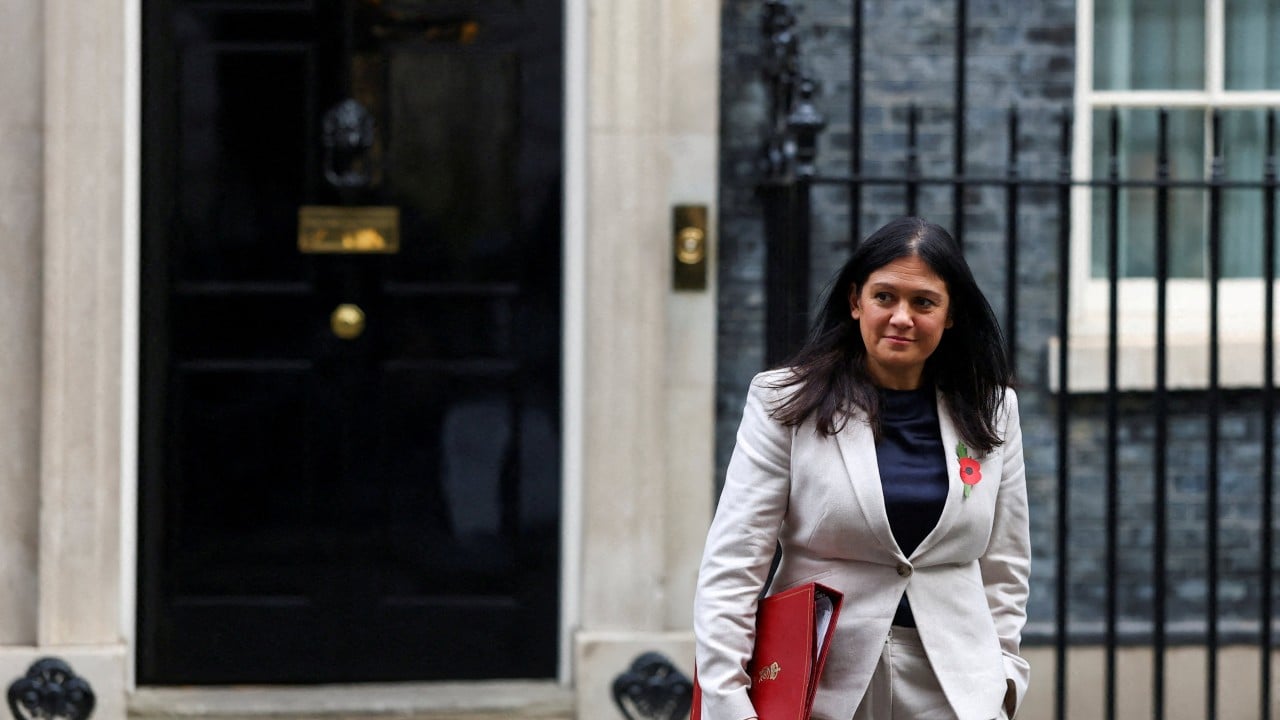
Maya Jama walking away from the Love Island villa after nine seasons isn't just another routine British television presenter shuffle. It's the end of the single biggest lifeline ITV2 had left to keep its flagship dating show culturally relevant.
You probably saw the headlines break. Maya Jama steps down as Love Island host after nine seasons, leaving behind the slow-motion firepit walks, the endless flights between London, Majorca, and South Africa, and the heavy crown of modern reality TV. Honestly, if you've watched the show over the last few years, you knew this day was coming. You can't hold onto a generational broadcasting talent forever when they're outgrowing the format in real time.
The Reality Behind Maya Jama Leaving Love Island
Let's look at the numbers first, because television executives certainly are. When Jama took over the gig from Laura Whitmore ahead of the winter 2023 series in South Africa, the show was bleeding momentum. Whitmore had hosted three seasons after taking over from the late Caroline Flack in 2020, and while she did her best under immense public scrutiny, the spark had faded.
Jama arrived and instantly shifted the energy. Across her nine seasons—spanning main summer runs, winter editions, and the Love Island All Stars spin-offs—she became the main event. People literally tuned in just to see what she was wearing during a recoupling. That's rare. Usually, a reality show host is a glorified traffic cop who reads off a teleprompter and asks contestants how they're feeling about a text message. Jama made herself bigger than the format.
And that's exactly why she had to leave.
When a presenter becomes more magnetic than the cast inside the villa, the show has a structural problem. Over the past couple of years, social media engagement around Jama's outfits and live Aftersun reactions routinely outpaced the actual drama between the islanders. She gave ITV nine seasons of relentless travel, late-night live broadcasts, and instant cultural cachet. At some point, staying in the villa stops helping your career and starts boxing you in.
How Nine Seasons Changed The Show Forever
If you've worked around television production or followed UK broadcasting closely, you know how grueling the Love Island schedule actually is. It looks glamorous on Instagram. Sunsets in Mallorca, designer dresses, private transfers.
The reality is exhausting.
Hosting nine seasons in such a compressed timeframe means living out of a suitcase for months every single year. You're flying back and forth between Spain or South Africa and London every single week just to film Love Island Aftersun on Sunday nights. Your sleep schedule is destroyed. Your personal life gets put on pause, and every micro-expression you make on camera gets dissected by millions of viewers on X and TikTok within seconds.
The Post-Flack Pressure Cooker
Nobody stepped into that role without carrying enormous weight. Caroline Flack defined the job with warmth, empathy, and genuine curiosity about the contestants. When Whitmore took over, she faced an impossible standard during the height of pandemic restrictions, where travel rules and distancing killed the natural intimacy between host and islanders.
Jama cracked the code by refusing to copy anyone else. She brought a mix of sharp humor, effortless cool, and genuine big-sister energy that made nervous 22-year-olds relax the second she walked through the doors. She didn't talk down to the cast. She talked with them.
Here's what she actually accomplished across those nine runs:
- Revived the All Stars concept: Taking former contestants and throwing them back into the villa could have felt desperate. Jama gave it legitimacy simply by treating it like a major primetime event.
- Saved Aftersun from irrelevance: Before her arrival, the Sunday night companion show was struggling to justify its runtime. She turned it into a chaotic, funny, genuinely watchable hangout.
- Bridged the generational gap: Older terrestrial TV viewers knew her from BBC Radio 1, Peter Crouch's Save Our Summer, and Glow Up. Gen Z viewers followed her every move on TikTok. Very few broadcasters can pull both demographics simultaneously.
What ITV Gets Wrong About Replacing A Star Host
Now comes the panic phase at ITV headquarters. Whenever a massive reality franchise loses its face, network executives almost always make the exact same mistake. They try to find a carbon copy.
It never works.
You can't manufacture Maya Jama's specific blend of Bristol grit, fashion credibility, and live-TV poise. If ITV goes out and hires someone just because they look great in a sequined gown and have two million Instagram followers, the audience will smell the inauthenticity within five minutes. Viewers are brutal. They spot a weak teleprompter reader instantly.
The smart move—and the one ITV rarely has the nerve to make—is to change the texture of the show alongside the host. Look at who actually thrives in high-pressure live environments right now. You need someone with actual live broadcasting reps, not just an influencer who's good at rehearsed brand deals.
The Contenders Who Actually Make Sense
If you're looking at the current British TV ecosystem, a few names immediately jump out, though each comes with massive caveats.
- Maura Higgins: She's already embedded in the Love Island universe, having hosted social media segments for the US version and dominated every appearance she makes. She's hilarious, completely unfiltered, and understands the show from the inside out. The risk? Live television discipline is a very different muscle than being a great panelist.
- AJ Odudu: She's proven she can handle massive live broadcasts with Big Brother on ITV2. She has warmth, sharp timing, and zero fear of live chaos. However, sharing the face of both Big Brother and Love Island might make ITV2 feel a little too monotonous.
- Sam Thompson: Everyone loves him, and his enthusiasm on the Love Island podcast is infectious. Still, turning the main hosting gig over to a guy changes the entire visual and emotional dynamic of the villa entrances. It's a huge gamble.
- Indiyah Polack: She's been putting in the real work on Aftersun and the official podcast for years. Promoting from within builds loyalty and gives the show someone who genuinely understands how modern islanders think.
Honestly, promoting someone who already knows the mechanics of the show—like Polack or Higgins—beats bringing in an outsider who needs three seasons just to get comfortable walking around the firepit.
The Bigger Problem Nobody At ITV Wants To Admit
Even if ITV nails the replacement hire, Maya Jama's exit exposes a much deeper issue. Love Island isn't the monoculture juggernaut it was in 2018 and 2019 anymore.
Back then, everything stopped at 9 PM. Brands built entire marketing campaigns around the catchphrases. Islanders walked out of the villa straight into million-pound fashion deals and permanent mainstream fame.
Today, the media diet is completely fractured. Viewers watch clips on TikTok the next morning instead of sitting through sixty minutes of drawn-out conversations about where someone's head is at. Younger audiences are hyper-aware of how reality TV is produced, edited, and manipulated. They know contestants are auditioning for brand sponsorships, and they get bored faster when the producers force tired challenges or predictable Casa Amor twists.
Maya Jama masked a lot of those cracks. Even when a season dragged—and several of the recent nine runs definitely had slow stretches—her presence gave the show an event-level polish. Without her, the producers can't rely on a superstar host to bail out weak casting or stale editing.
Why Jama's Timing Is Spot On
From a pure career strategy standpoint, Jama played this brilliantly. Most TV presenters stay at a hit show two or three years too long. They wait until the ratings crater, the press turns sour, and the network quietly pushes them toward the exit.
Jama is walking out while her stock is at an absolute peak. She's a regular fixture at major global fashion weeks, she's fronted massive magazine covers like Vogue, and she's proven she can anchor live primetime entertainment without breaking a sweat. Leaving after nine seasons gives her a clean, triumphant narrative. She came in, stabilized the ship, delivered nearly a decade's worth of TV cycles in record time, and left on her own terms.
If you're following her career, expect her next moves to lean heavily toward bigger Saturday night entertainment formats, international hosting gigs, or major streaming projects with platforms like Netflix or Prime Video. She's outgrown ITV2's budget and schedule.
What Viewers And Industry Watchers Should Track Next
If you care about where British reality TV goes from here, don't just watch the tabloid rumor mill for the next few weeks. Pay attention to the structural signals ITV sends out before the next casting call closes.
First, watch whether ITV scales back the frequency of the show. Running two seasons a year—whether it's summer plus winter or summer plus All Stars—burned out both the audience and the talent. Dropping back to one massive, high-stakes summer event per year would immediately take the pressure off whoever takes Jama's spot and give the casting team time to find genuinely unpredictable people.
Second, pay close attention to who gets booked for Aftersun and the companion podcasts over the coming months. ITV almost always tests their next main presenter in smaller live environments before handing them the keys to the villa. Whoever gets extra airtime during the upcoming promotional cycles is likely the real frontrunner, regardless of what the bookmakers say.
Finally, keep an eye on Maya Jama's first post-Love Island television announcement. That single contract will tell you everything about where the highest-paid UK presenters see the future of entertainment heading—and whether traditional broadcast television can still afford to keep its biggest stars.