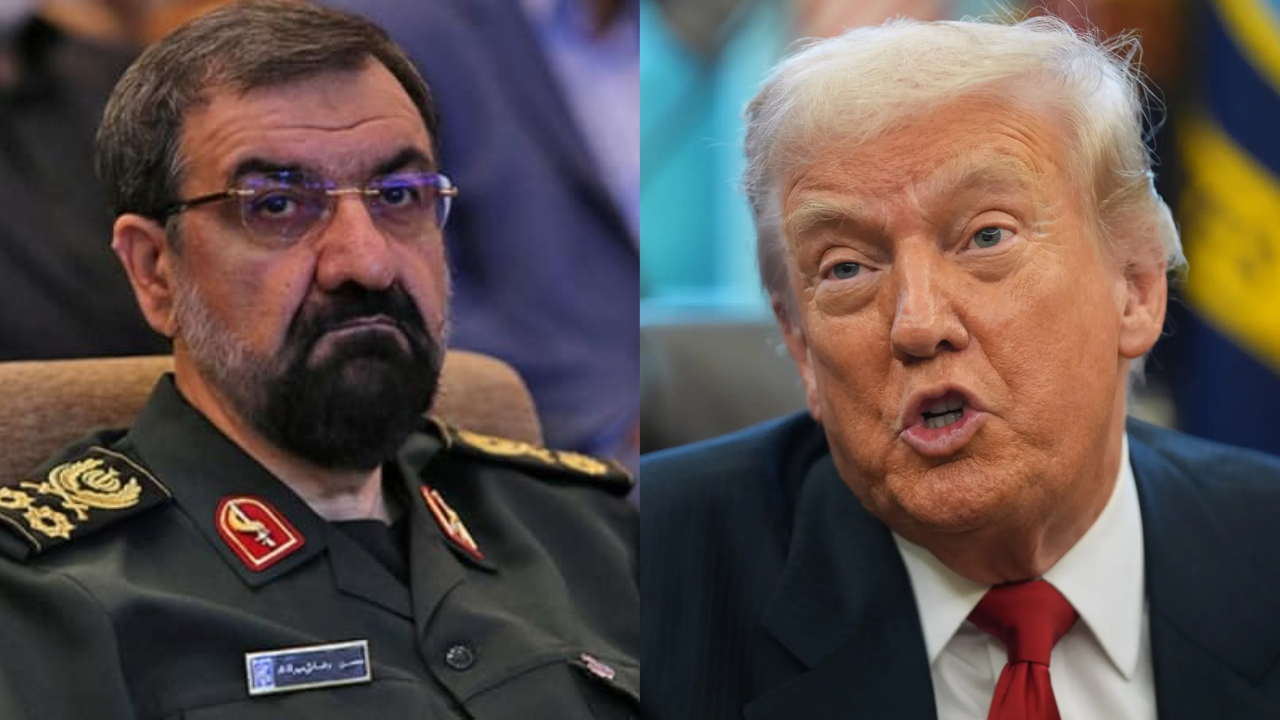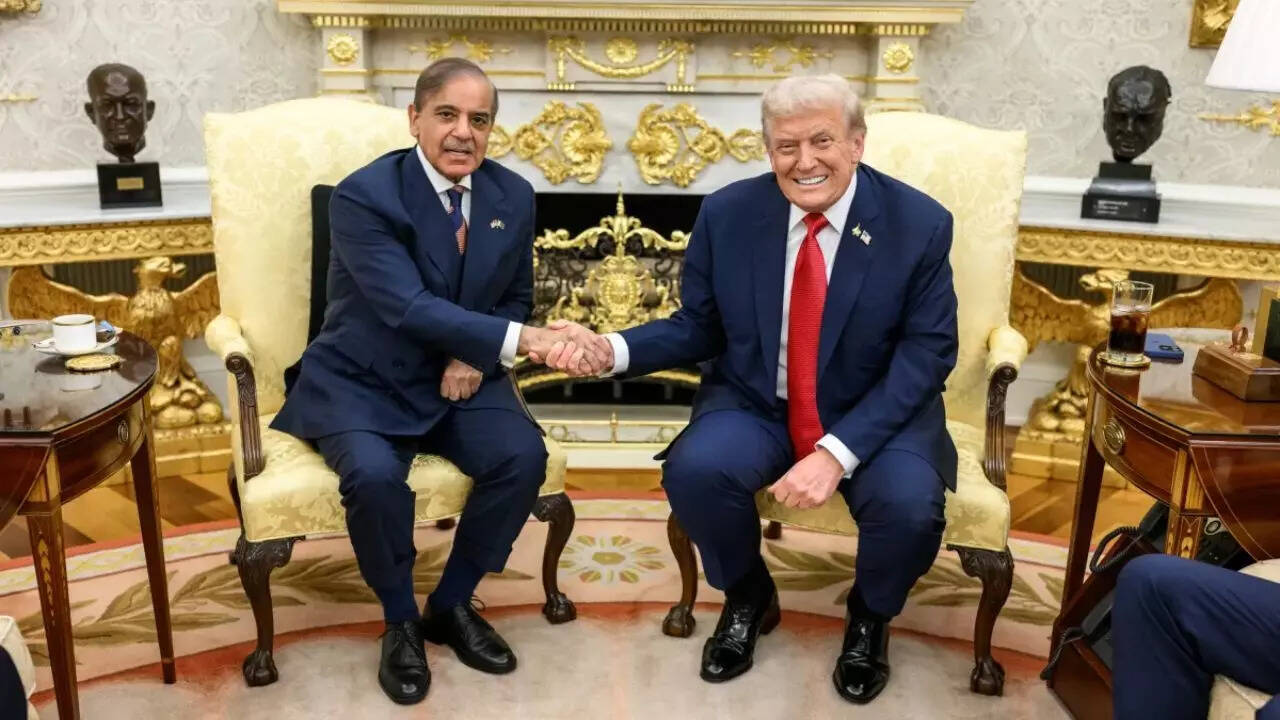
The digital endorsement of a Pakistani diplomatic overture by a sitting or incoming U.S. President is not a gesture of sentiment but a calculation of kinetic and economic containment. When Donald Trump interacts with Prime Minister Shehbaz Sharif’s messaging regarding regional stability, he is signaling a shift from multilateral bureaucratic stagnation toward a transactional, personality-driven mediation model. This specific alignment suggests a revival of Pakistan’s role as a "functional bridge," a position predicated on its unique ability to communicate across ideological divides that remain inaccessible to Western powers.
Understanding this potential mediation requires a deconstruction of the strategic incentives, the historical precedent of the 1971 "Ping-Pong" diplomacy, and the modern risk variables that govern the Iran-U.S. standoff.
The Triangulation Framework
Mediation in the Persian Gulf and South Asia operates within a three-pillar constraint system. No actor moves without satisfying at least two of these variables:
- Security Guarantee Thresholds: Iran requires a guarantee against regime change; the U.S. requires a verifiable cessation of nuclear enrichment and proxy-led regional destabilization.
- Economic Relief Flow: Pakistan’s incentive is the realization of the Iran-Pakistan (IP) gas pipeline, which remains stalled under the threat of U.S. sanctions.
- Domestic Political Capital: Trump’s "maximum pressure" legacy must be reconciled with his stated desire to avoid "endless wars," creating a narrow window for a "Grand Bargain" that his predecessors could not secure.
Pakistan as the Tactical Conduit
Pakistan’s utility to the U.S. in the context of Iran is built on structural advantages that Qatar or Oman—traditional mediators—lack. The Pakistani military-intelligence apparatus maintains a long-standing, if occasionally tense, security relationship with Iran’s eastern border. This provides a direct channel to the Islamic Revolutionary Guard Corps (IRGC) that is unencumbered by the diplomatic protocols of the U.S. State Department.
The 1971 Precedent and Modern Translation
The historical anchor for this strategy is the 1971 opening to China, where Pakistan facilitated Henry Kissinger’s secret trip to Beijing. In the current era, the mechanics are different but the logic holds. Pakistan serves as a "deniable" laboratory for testing diplomatic waters. If a Pakistani-led initiative fails, the U.S. presidency incurs no reputational cost. If it succeeds, the U.S. claims the breakthrough.
This asymmetrical risk distribution is why the Trump administration previously looked toward Islamabad during the Afghan peace process. The "repost" of a tweet is a low-cost signal to Tehran that the channel is open, bypassing the formal, often rigid, European-led JCPOA (Joint Comprehensive Plan of Action) frameworks which the Republican platform views as obsolete.
The Cost Function of Mediation Failure
Mediation is not a neutral act; it carries a heavy cost function for the mediator. For Pakistan, the risks are quantified through three primary pressures:
- The Saudi-Emirati Variable: Any tilt toward Tehran via Islamabad risks alienating Riyadh and Abu Dhabi, Pakistan's primary creditors. To mitigate this, Pakistan must frame its mediation as a "stability play" that protects the Saudi kingdom from Iranian-backed Houthi or proxy aggression.
- The Sanction Trap: Facilitating talks does not automatically grant Pakistan a waiver for its energy projects with Iran. If Pakistan oversteps, it risks triggering CAATSA (Countering America's Adversaries Through Sanctions Act) or other secondary sanctions that would collapse its fragile IMF-stabilized economy.
- Border Volatility: The Sistan-Baluchestan region is a friction point. Increased diplomatic proximity to the U.S. often triggers Iranian suspicion of Western-backed insurgencies operating from Pakistani soil.
Quantifying the Trump Repost Strategy
The act of "reposting" serves as a digital litmus test. It functions as a non-binding signal to three distinct audiences:
- To the American Base: It demonstrates an active, "disruptive" foreign policy that bypasses traditional media.
- To the Iranian Leadership: It suggests that the path to sanctions relief might run through Islamabad rather than Brussels or Vienna.
- To the Pakistani Government: It acts as an "engagement credit," encouraging Islamabad to maintain its counter-terrorism posture and its cooperation on Afghan border management in exchange for a seat at the high-stakes table.
The Bottleneck of Nuclear and Proxy Variables
The fundamental obstacle to any Pakistan-mediated breakthrough is the irreconcilability of the core demands. Iran views its proxy network (the "Axis of Resistance") as a forward-defense mechanism. The U.S. views it as a non-starter for any deal. Pakistan’s role, therefore, cannot be to resolve these issues but to manage the de-escalation of immediate friction.
The "Pakistan Model" of mediation focuses on "Small Wins" rather than a "Grand Bargain":
- Phase 1: Prisoner swaps or maritime security agreements in the Strait of Hormuz.
- Phase 2: Technical freezes on enrichment in exchange for specific, localized sanctions waivers.
- Phase 3: Long-term regional security frameworks involving the GCC.
Strategic Forecast and Recommendation
The probability of a full Iran-U.S. normalization via Pakistan is low, but the probability of a "Managed Cold War" is high. Pakistan’s primary objective will be to use its status as a mediator to secure a "Sanctions Carve-out" for the Iran-Pakistan gas pipeline. This is the only tangible economic outcome that justifies the diplomatic risk.
The U.S. will likely continue to use Islamabad as a "back-channel of last resort." For this to yield results, the Pakistani leadership must move beyond rhetoric and present a verified roadmap for Iranian de-escalation in the Red Sea and Levant—areas where Iran exerts influence that directly impacts U.S. interests.
The strategic play for the upcoming year is not a formal treaty, but the establishment of a "Permanent De-escalation Cell" headquartered in Islamabad. This cell would serve as a technical clearinghouse for military-to-military communication, reducing the risk of accidental kinetic conflict in the Gulf. If Islamabad can institutionalize this role, it secures its relevance in the U.S. foreign policy orbit regardless of its domestic economic volatility. The move is not about peace; it is about the management of inevitable tension.
The next tactical step for the Pakistani diplomatic corps is to present a "Regional Connectivity White Paper" to the U.S. Treasury and State Department, explicitly linking the completion of the IP pipeline to a verifiable reduction in Iranian regional proxy funding—essentially turning energy infrastructure into a tool for regional behavioral modification.