Lars Fruergaard Jørgensen is looking at 15 million Medicare beneficiaries and seeing a gold mine. I look at those same 15 million people and see a structural collapse of the American healthcare budget.
The consensus among pharmaceutical executives and optimistic analysts is simple: if Medicare covers GLP-1 drugs like Wegovy, the long-term savings from reduced heart attacks and diabetes complications will pay for the prescriptions. This is a fairy tale. It ignores the brutal reality of actuarial math and the perverse incentives of the American insurance machine.
The "15 million patient opportunity" isn't a victory for public health. It is a stress test that the current system is guaranteed to fail.
The Prevention Paradox Nobody Talks About
The central argument for Medicare coverage is that weight loss is "preventative." On the surface, it makes sense. If you lose 15% of your body weight, you are less likely to end up in an ICU with a stroke.
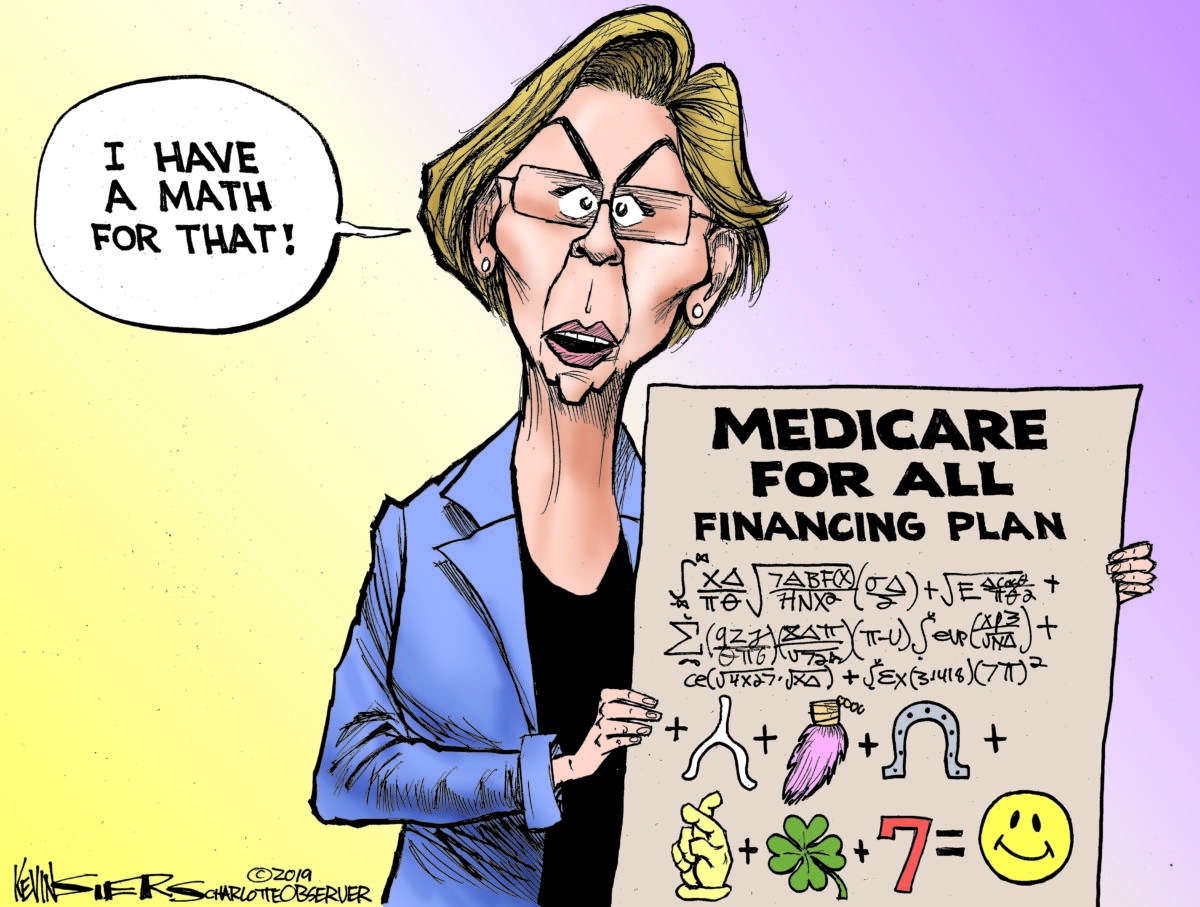
Here is the problem: the "savings" from prevention take decades to materialize. Medicare operates on a year-to-year budget. If the government starts paying $1,000 a month for 15 million people today, that is an immediate $180 billion annual hit.
To break even, those 15 million people would need to immediately stop using all other healthcare services. They won't. In fact, they will live longer, which—from a cold, hard budgetary perspective—actually increases lifetime healthcare spending. We are traded a cheap, quick death for an expensive, decades-long management of old age.
I’ve seen health systems try to "spend their way to wellness" before. It never works because the costs are front-loaded while the benefits are theoretical and distant. By the time the "savings" arrive, the original budget is already underwater.
The Compliance Myth
Novo Nordisk and Eli Lilly love to cite clinical trial data showing massive weight loss. They rarely mention the "real-world" drop-out rates.
In a controlled study, patients have a team of researchers calling them every day to make sure they take their shot. In the real world, people stop taking these drugs because of nausea, muscle loss, or simply "needle fatigue."
Data from pharmacy benefit managers suggests that more than 50% of patients stop taking GLP-1s within the first year. When you stop, the weight comes back. Often, it comes back as fat, while the weight lost was a mix of fat and essential muscle.
If Medicare covers these drugs, we aren't just paying for weight loss. We are paying for a "yo-yo" effect at a systemic scale. We are subsidizing a temporary metabolic shift that, for many, will end in a net-negative health outcome once they quit the medication.
Pricing Is a Fiction
The list price of Wegovy in the U.S. is a joke. It’s a number designed to be discounted in back-room deals with middlemen.
Jørgensen mentions that Medicare coverage would bring prices down through negotiations. While the Inflation Reduction Act allows for some price "negotiation," the pharmaceutical industry is masterful at finding workarounds. They will launch "new" versions, slightly alter the delivery mechanism, or pivot to "combination therapies" that reset the patent clock.
The idea that the government will suddenly gain the upper hand in a negotiation against a company that holds the literal "cure" for a national epidemic is naive. Novo Nordisk has more leverage than the CBO (Congressional Budget Office). They know that once 15 million people are on the drug, it becomes politically impossible for the government to ever stop paying, regardless of the price.
The Muscle Waste Crisis
We are about to turn a generation of seniors into "skinny fat" individuals with no grip strength.
GLP-1s are blunt instruments. They suppress appetite, but they don't discriminate between burning adipose tissue and burning skeletal muscle. For a 65-year-old on Medicare, muscle is the only thing keeping them out of a nursing home. Sarcopenia—the loss of muscle mass—is a leading cause of falls and fractures.
If Medicare pays for 15 million people to lose 20% of their body weight, and 30% of that weight loss is muscle, we are trading an obesity crisis for a frailty crisis. The cost of a hip replacement and three months in a rehab facility far outweighs the "savings" from a slightly lower BMI.
The Wrong Question
People always ask: "When will Medicare cover obesity drugs?"
The better question is: "Why are we trying to solve a lifestyle and environmental disaster with a lifelong subscription model?"
The current healthcare "landscape"—to use a word I despise—is built on the idea that every problem has a chemical solution. These drugs are miracles for the morbidly obese with specific genetic predispositions. They are not a viable public health strategy for a third of the population.
If you want to fix the obesity problem in the Medicare population, you don't start with a $1,000-a-month injection. You start by dismantling the subsidies that make high-fructose corn syrup cheaper than water. But there’s no lobbying money in that. There’s no "15 million patient opportunity" for the taxpayer in fresh vegetables.
The Budgetary Bloodbath
Let’s run a thought experiment. Imagine Medicare Part D absorbs the full cost of these drugs for even half of the eligible 15 million people.
At a negotiated price of $600 per month (which is optimistic), that is $54 billion a year. For context, that is more than the entire budget for the NIH. It would require an immediate hike in premiums for every senior in the country, including those who are fit and healthy.
We are essentially asking the healthy and the poor to subsidize a pharmaceutical fix for a systemic societal failure.
The Real Winner Isn't the Patient
Novo Nordisk’s market cap has already surpassed the GDP of Denmark. Their push for Medicare coverage isn't about "health equity" or "ending the stigma of obesity." It is about securing the ultimate "payer."
Private insurers can drop you. They can change their formulary. They can go out of business. But the U.S. government has a printing press. For a pharmaceutical company, a Medicare code is a "forever annuity."
Once the "Obesity Care Act" (or whatever branding they use to push the legislation) passes, the incentive to find cheaper, more sustainable solutions vanishes. Why would anyone invest in nutrition science or behavioral therapy when the government will cut a check for a weekly shot until the day you die?
Stop Chasing the Shot
If you are a policymaker or an investor, stop looking at the 15 million number as a "market." Look at it as a liability.
The "contrarian" move here isn't to buy more Novo stock; it’s to prepare for the inevitable "reputational" crash when the bills come due and the national health stats haven't budged. We are about to learn a very expensive lesson: you cannot medicate a nation out of a hole it ate its way into.
The system is already broken. Adding a $100 billion annual drug bill won't fix it. It will just make the collapse more efficient.