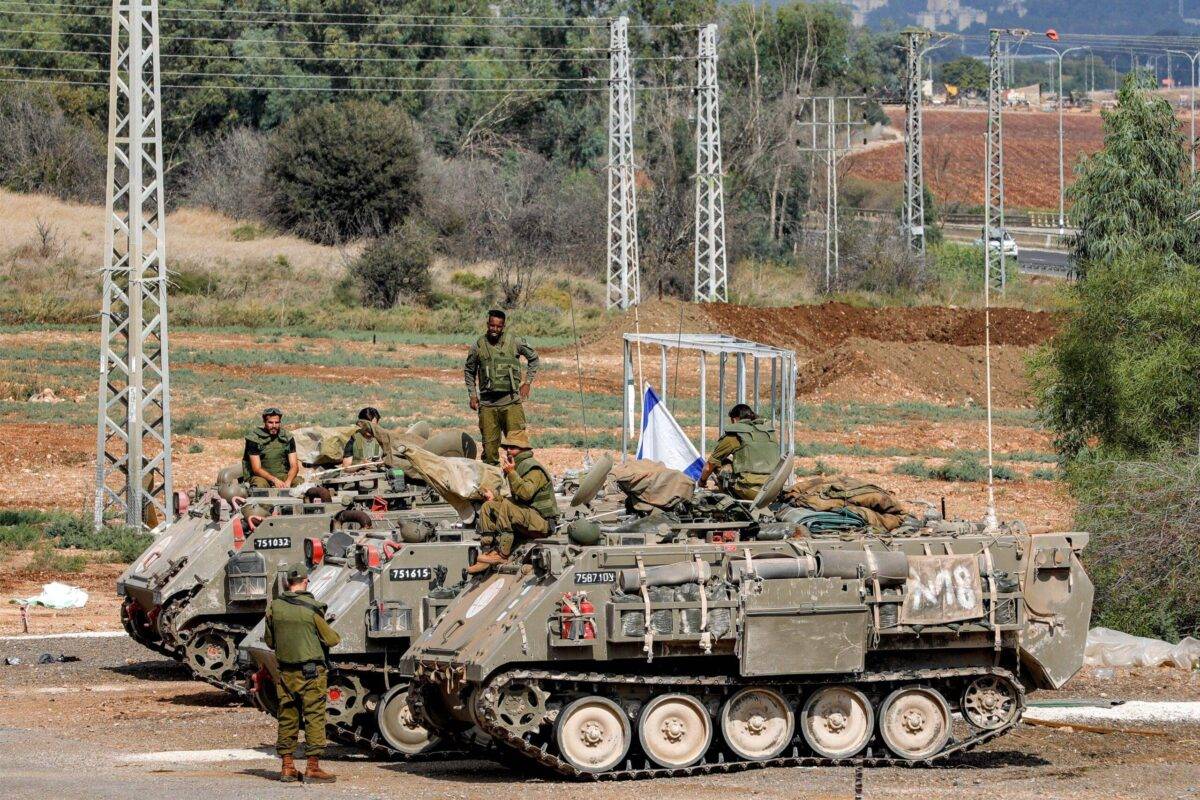
The U.S. State Department just gave the green light to a massive $8.6 billion military hardware package for Israel and a trio of Gulf allies. It’s not just the price tag that’s eye-popping. Secretary of State Marco Rubio invoked rare emergency powers to bypass Congress entirely, signaling that the Biden-Trump transition era's "quiet" foreign policy is officially over.
This move comes as the nine-week-old conflict between the U.S., Israel, and Iran sits in a fragile ceasefire. If you've been following the news, you know the ceasefire was supposed to calm things down. Instead, we're seeing the largest sudden influx of precision-guided munitions and missile defense tech into the region this year. It's a clear "prepare for the worst" insurance policy.
Breaking Down the 8.6 Billion Dollar Shopping List
When the State Department says "emergency," they usually mean they don't want a public debate on the House floor slowing down the logistics. By bypassing the usual 30-day congressional review period, the administration is moving parts and systems immediately.
Here is who is getting what:
- Qatar ($5 billion total): The biggest winner here is Doha. They’re getting $4.01 billion in Patriot air and missile defense replenishment. Basically, they're restocking the "silver bullets" used to intercept incoming Iranian drones and missiles. Another $992 million goes toward Advanced Precision Kill Weapon Systems (APKWS).
- Kuwait ($2.5 billion): They are purchasing an Integrated Battle Command System. This isn't just a fancy radio; it’s a high-level networking tool that links different radars and missile batteries into one cohesive brain.
- Israel ($992 million): Israel is loading up on more APKWS. These are laser-guided rockets that turn "dumb" munitions into precision hitters. After two months of high-intensity warfare, their stockpiles are reportedly running thin.
- United Arab Emirates ($147.6 million): A smaller but vital slice of the APKWS pie to bolster their short-range defense capabilities.
Why the Emergency Bypass Matters Now
You don't just "skip" Congress for fun. It’s a political headache that usually draws fire from both sides of the aisle. However, Rubio’s determination that an "emergency exists" suggests the U.S. intelligence community sees the current ceasefire as a temporary lull rather than a permanent solution.
During the initial February 28 strikes and the subsequent Iranian retaliation, Gulf states that host U.S. bases found themselves in the crosshairs. Qatar and Kuwait aren't just buying these for show—they’re filling gaps exposed by Iranian drone swarms. By invoking the emergency clause, the U.S. is telling the world that the defense of these energy-rich allies is non-negotiable, even if it means skipping the traditional democratic oversight.
The Defense Contractors Winning Big
While the headlines focus on the diplomacy, the real movement is happening in the factories. The massive $8.6 billion injection is a windfall for the "Big Three" of the defense world.
- BAE Systems: They are the principal contractor for the APKWS going to Israel, Qatar, and the UAE.
- Lockheed Martin and RTX (formerly Raytheon): They're handling the Patriot replenishments for Qatar.
- Northrop Grumman: They are the lead on Kuwait’s new command system.
If you’re wondering why these sales are happening now, look at the delivery timelines. The U.S. has already warned European allies to expect delays on their own weapon orders because the Middle East theater is draining stockpiles so fast. This latest approval is essentially a signal to these manufacturers to ramp up production to 24/7 cycles.
The Strategic Reality Check
We have to be honest about what this means for the region. Many people hoped the ceasefire would lead to a broader peace deal. But $8.6 billion in new weapons tells a different story. It suggests a "Fortress Gulf" strategy.
The U.S. is essentially subsidizing a high-tech wall around its allies. If Iran decides to restart hostilities or if the ceasefire collapses over the "unfulfilled goals" Trump mentioned regarding Tehran’s nuclear program, these systems will be the first line of defense.
What This Means for You
If you're watching the markets or the gas pump, this deal is a stability play. The Strait of Hormuz remains a flashpoint. By beefing up Qatar and Kuwait’s defenses, the U.S. is trying to ensure that even if a war starts again, the infrastructure that keeps global oil flowing doesn't go up in flames.
For those following the ethics of arms sales, the bypass of Congress is the real story to watch. It sets a precedent for how the current administration intends to handle "frozen" conflicts. Don't expect a long, drawn-out public debate on the next round of funding—expect more "emergencies."
If you want to track where these weapons end up, keep an eye on the Defense Security Cooperation Agency (DSCA) notifications. While the review was bypassed, the delivery schedules will still show up in quarterly reports. For now, the message from Washington is loud and clear: the Middle East is staying armed to the teeth, ceasefire or not.
Keep your eyes on the delivery of those Patriot missiles. That’s the real metric for how much the U.S. expects things to heat back up this summer.