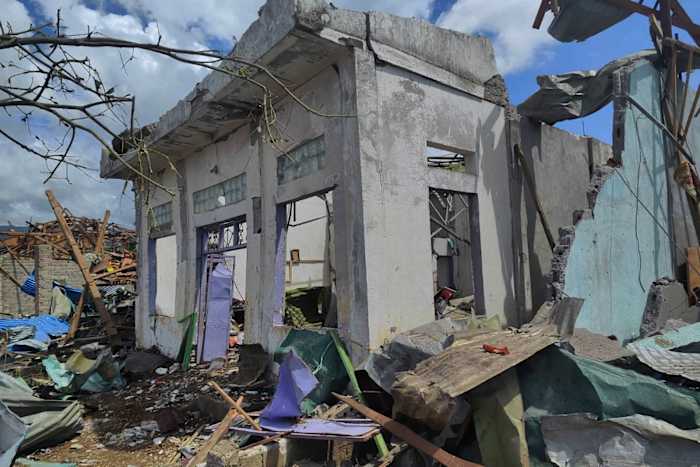
A massive explosion at a storage building packed with explosives in Myanmar has killed more than 45 people. The blast ripped through the structure, leaving a trail of devastation that extends far beyond the immediate casualty count. When a tragedy like this hits the international newswire, the coverage usually follows a predictable pattern. Media outlets scramble to update the death toll, copy-paste a few lines of political context, and then move on to the next breaking story. It happens fast.
But looking at a tragedy purely through the lens of statistics misses the real story. Behind the number 45 are families destroyed, a community shattered, and a spotlight thrown on the terrifying reality of unregulated or poorly managed explosives storage in conflict-heavy regions. We need to look closely at what happened, why it matters, and what the international community ignores.
The Reality of the Myanmar Explosives Explosion
The details coming out of the ground paint a grim picture. A building used for storing high-grade explosives detonated with enough force to level surrounding structures and send shockwaves through the local area. Initial reports confirmed that over 45 individuals lost their lives instantly or succumbed to severe injuries shortly after the blast. Dozens of others remain hospitalized with life-threatening wounds.
Local rescue teams faced immense challenges trying to clear the rubble. In many parts of Myanmar, emergency infrastructure is stretched thin or completely non-existent due to ongoing civil unrest and economic instability. Neighbors used their bare hands to dig through concrete slabs.
This was not a minor industrial mishap. It was a catastrophic failure of safety protocols. When you store volatile materials without strict oversight, you are essentially sitting on a ticking time bomb. The local population always pays the price.
Why Explosives Management Is Failing Under the Radar
People often ask how a storage facility can just blow up out of nowhere. The truth is simple. Safety requires stability, and stability is in short supply right now.
In volatile regions, regular regulatory checks go out the window. Supply chains become murky. Private entities, local militias, and commercial operations often stockpile materials with zero regard for standard safety distances or ventilation requirements. They pack warehouses to the ceiling to maximize space or hide assets from opposing factions.
This creates a perfect storm. High temperatures, poor ventilation, and improper handling can trigger a chain reaction in unstable chemical compounds. Once an ignition source enters the equation, whether it is an electrical short or a careless mistake, the outcome is catastrophic.
The global community treats these events as isolated workplace accidents. They are not. They are direct symptoms of a breakdown in governance and accountability.
The Long Term Costs That Outlive the Headlines
The immediate focus stays on the body count, but the aftermath of a blast this size lingers for decades. Think about the economic ruin. The destruction of a central building often wipes out neighboring businesses and homes. Families lose their primary breadwinners in a single second.
There is also the environmental and health hazard to consider. Explosions of this magnitude release toxic gasses and heavy metals into the soil and local water supplies. Nearby residents breathe in pulverized concrete, chemical residues, and asbestos for weeks after the smoke clears. Respiratory illnesses spike, but local clinics lack the medicine to treat them.
Then comes the psychological trauma. Living near a site that suddenly vaporized changes a community forever. Every loud noise triggers panic. Children refuse to go to school near industrial areas.
Moving Beyond Passivity to Prevent Future Blasts
We cannot keep treating these disasters as unavoidable tragedies. International bodies and regional neighbors have to step up pressure on tracking industrial-grade chemical shipments.
If you want to support organizations making a difference on the ground, direct your resources to local humanitarian groups rather than massive bureaucratic entities. Local groups actually get aid into the affected zones without getting bogged down in red tape. Pressure international chemical suppliers to audit where their raw materials end up. Force accountability by documenting safety violations before they turn into mass casualty events. Demand better tracking, support local medical networks, and stop letting these stories fade into background noise.