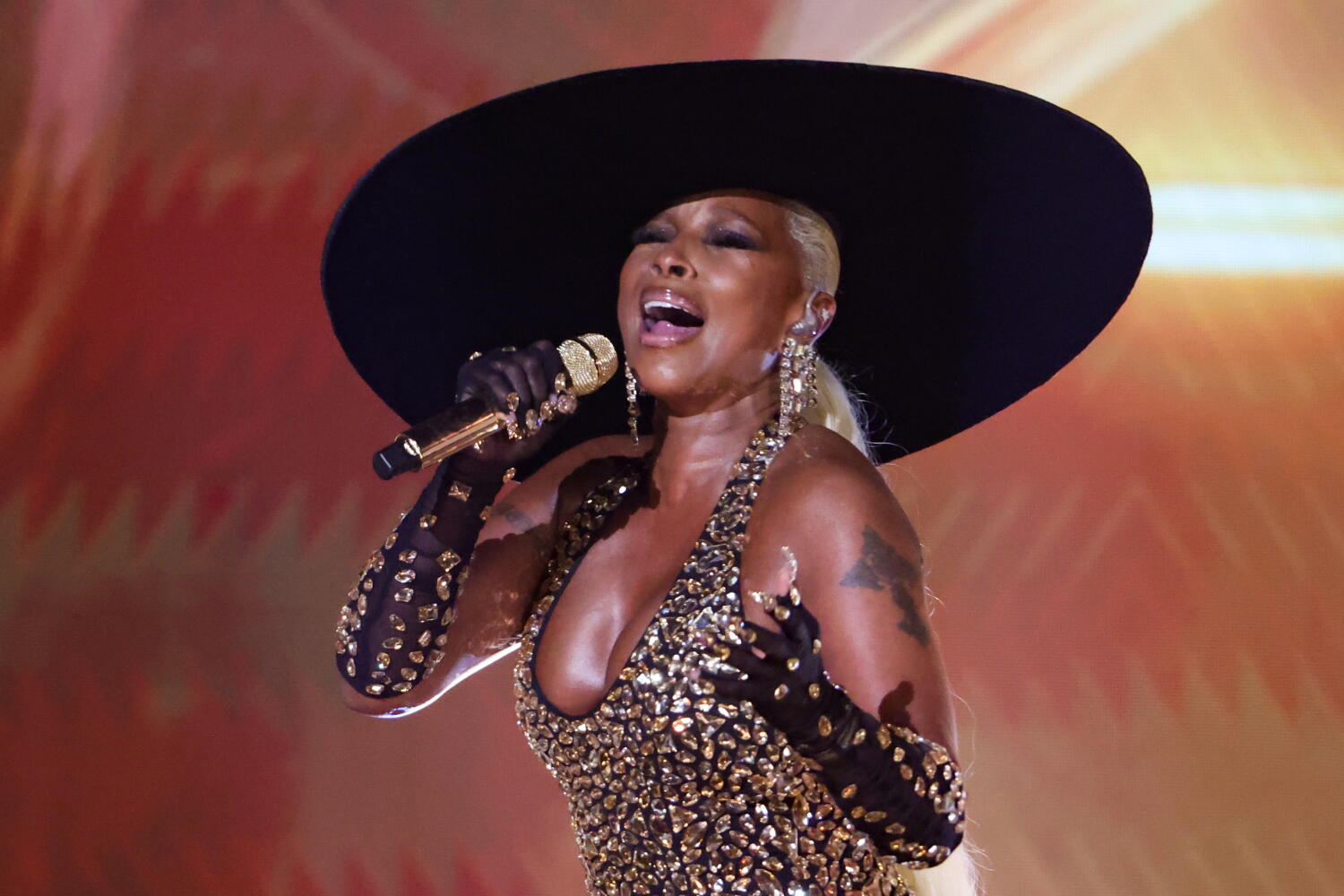
Releasing a debut album after accumulating a billion streams is no longer a statistical anomaly in the music industry; it is the standard operating procedure for major label risk management. Instead of gambling millions on an unproven twelve-track record, labels now treat singles as live market research, using algorithmic playlists and short-form video platforms to validate an artist's commercial viability before greenlighting a full-length project. When an artist finally drops that first studio album, the record is rarely an introduction. It is a victory lap, a contractual milestone, and a financial mechanism designed to convert passive playlist listeners into ticket-buying, merchandise-wearing superfans.
The traditional album cycle is dead. For decades, the pipeline operated in a strict, linear sequence: sign an act, lock them in a studio for six months, press physical units, service a lead single to terrestrial radio, and pray the album moved enough copies in week one to recoup the advance. That model collapsed under the weight of on-demand streaming economics. Today, a listener does not need to buy a fourteen-dollar compact disc to hear one catchy chorus, which means a single weak track can cause a user to skip—and in the attention economy, a skip within the first thirty seconds is fatal to algorithmic momentum. For another look, read: this related article.
The Singles-First Funnel and Algorithmic Validation
To understand how an artist racks up nine-figure stream counts without a cohesive body of work, you have to look at how Digital Service Providers (DSPs) like Spotify and Apple Music reward catalog velocity. Algorithms do not care about artistic intent or thematic cohesion. They care about completion rates, save-to-stream ratios, and playlist additions.
When an emerging artist releases a standalone single every six to eight weeks, they generate multiple data spikes throughout the year. Each release resets the algorithmic clock, giving the track a fresh shot at landing on flagship editorial playlists like Today's Top Hits or triggering personalized discovery engines like Discover Weekly. If a song stalls at two hundred thousand streams, the label quietly writes off the marketing spend and moves on to the next demo. If a song catches fire on TikTok or Instagram Reels and crosses fifty million streams, the machine shifts into overdrive. Related insight on the subject has been provided by GQ.
Consider a hypothetical scenario involving a pop singer signed to a boutique imprint under a major label umbrella. Over twenty-four months, she releases nine standalone singles and two four-track EPs. Three of those songs go viral, each pulling between two hundred and four hundred million streams globally. By the time her management announces her "debut album," she has already cleared a billion cumulative streams across platforms. The tracklist for that debut is inevitably padded with the three massive hits she released a year prior, alongside eight or nine new songs meant to bridge the gap.
Labels love this strategy because it front-loads revenue and eliminates guesswork. By the time the studio budget for the full album is approved, the artist has already paid back a significant portion of their initial advance through streaming royalties. Furthermore, bundling those older, billion-stream singles onto the new album's tracklist artificially inflates the record's first-week chart equivalents under Billboard's consumption rules, guaranteeing a respectable debut position even if the new material underperforms.
The Economics of the Delayed Debut
Money drives every structural shift in recorded music, and the math behind the delayed debut is brutally pragmatic. Streaming payouts operate on a pro-rata pool model, meaning individual tracks generate fractions of a penny per play. Reaching a billion streams sounds monumental in a press release, yet depending on geographic distribution, subscription tiers, and publishing splits, a billion streams typically generates roughly three to four million dollars in gross master recording revenue.
After the label takes its eighty to eighty-five percent cut under a standard recording contract, the artist is left with a few hundred thousand dollars—often swallowed entirely by unrecouped marketing, video production, and touring expenses. A billion streams buys visibility, not financial independence.
That is where the debut album enters the equation. An album is not primarily a mechanism to generate more streams; it is a vehicle to unlock high-margin revenue streams that singles cannot support.
- Touring and Live Guarantees: Promoters are hesitant to book an artist with two viral hits and no catalog into thousand-capacity theaters because they lack enough material to fill a seventy-five-minute setlist. A debut album provides the requisite runtime to justify headline ticket prices and VIP packages.
- Physical Vinyl and Direct-to-Consumer Bundles: Casual playlist listeners rarely buy merchandise. However, framing a release as a "debut era" creates a psychological event. Labels capitalize on this by pressing multiple color variants of vinyl, selling signed CDs, and bundling physical goods with digital downloads—sales that carry massive profit margins compared to streaming fractions.
- Award Eligibility and Cultural Legitimacy: Industry gatekeepers, from the Recording Academy to major festival bookers, still view the album as the ultimate metric of artistic seriousness. You can have a billion streams off three TikTok hits and remain an internet curiosity, but a critically acclaimed debut LP cements an artist's place in the cultural canon.
The Creative Toll of Constant Testing
While the singles-first, billion-stream runway makes undeniable sense on a corporate balance sheet, it exacts a heavy creative toll on the artists trapped inside the machine. When every song is treated as an A/B test for short-form video virality, songwriting habits warp to fit the medium.
Tracks get shorter. Intros vanish entirely, replaced by the chorus hitting within the first five seconds to prevent listeners from swiping away. Songwriters are pressured to engineer "snippets"—fifteen-second bursts of hyper-specific, relatable lyrics designed to soundtrack user-generated content rather than serve a broader narrative arc.
The Identity Crisis of the Patchwork Album
By the time an artist accumulates a billion streams and earns the right to make an album, they frequently face a severe artistic identity crisis. A record assembled from two years of scattered singles rarely feels like a unified statement; it reads like a greatest hits compilation for someone who just arrived.
Artists often complain privately that they have outgrown the sonic aesthetic of their biggest early hits by the time they are forced to include them on their debut LP. Yet removing a four-hundred-million-stream song from the tracklist is commercial suicide, as label executives will not sacrifice the chart boost those historical streams provide. Consequently, the artist is forced to build a new visual era around old music, creating a jarring disconnect between their current creative direction and the songs that actually put them on the map.
Burnout Before the Starting Line
There is also the physical and psychological exhaustion of the modern rollout. Under the old system, an artist worked intensely for a few months to record an album, toured it for a year, and then disappeared to write the next one. Under the continuous-release model, the promotional treadmill never stops.
An artist chasing that first billion streams is expected to be a full-time content creator, touring musician, and recording artist simultaneously. They must film dozens of vertical videos for every single, perform at radio festivals, manage brand partnerships, and constantly feed the algorithmic beast just to maintain baseline visibility. Many reach the release date of their actual debut album already suffering from severe creative burnout, treating the milestone not as an exciting beginning, but as a finish line they barely crawled across.
Navigating the Post-Debut Reality
The industry is beginning to see the long-term flaws in front-loading an artist's career before their first album even drops. When you spend two years squeezing every drop of commercial momentum out of a handful of viral singles, you risk exhausting the audience's curiosity before the main event begins.
Listeners who have already streamed a song fifty times on a mood playlist have little incentive to engage deeply with an album they feel they have already heard. In several high-profile cases over the past few years, artists boasting massive pre-album streaming numbers have seen their actual debut LPs stall on the charts, exposing a painful truth: passive algorithmic reach does not automatically translate into active fan loyalty.
The Fan Conversion Bottleneck
There is a massive difference between a listener who lets your song play in the background while studying and a fan who knows your name, follows your career, and buys a concert ticket. Algorithms excel at generating passive streams, yet they are notoriously bad at building deep emotional connections.
Because playlists strip away context—hiding cover art, liner notes, and artist branding behind a uniform interface—an artist can accumulate a billion streams while remaining largely anonymous to the public. When the debut album finally arrives, the label often discovers too late that they built a massive house on rented algorithmic land, with very few dedicated fans willing to follow the artist into a new sonic territory.
Shifting Strategies Among Independent and Major Labels
Recognizing this vulnerability, smarter artist development teams are starting to recalibrate how they use the pre-album runway. Instead of chasing endless viral spikes at the expense of world-building, they are using the singles phase to deliberately cultivate a core community.
- Controlled Scarcity: Rather than dumping every demo onto streaming platforms, managers are holding back key tracks, using exclusive Discord servers, SMS lists, and intimate underplay shows to reward early adopters before mass-market promotion begins.
- Visual Cohesion Early: Even when releasing standalone singles, creative directors are enforcing strict aesthetic boundaries—consistent typography, color palettes, and visual storytelling—so that when the debut album arrives, it feels like the culmination of a deliberate plan rather than a frantic scramble for relevance.
- Separating the Eras: A few bold artists have successfully pushed back against label pressure, refusing to include their massive early viral hits on their debut albums. While this sacrifices first-week chart inflation, it forces the market to evaluate the album on its own artistic merits and signals to listeners that the artist is evolving rather than coasting on past success.
The billion-stream debut is ultimately a mirror of how music consumption has fractured. Labels will continue to use data to insulate themselves from financial disaster, and artists will continue to chase the algorithmic lottery tickets that fund their careers. Yet numbers on a dashboard remain a poor substitute for cultural permanence, and a billion passive plays will never outweigh the impact of a single album that people actually remember ten years later.