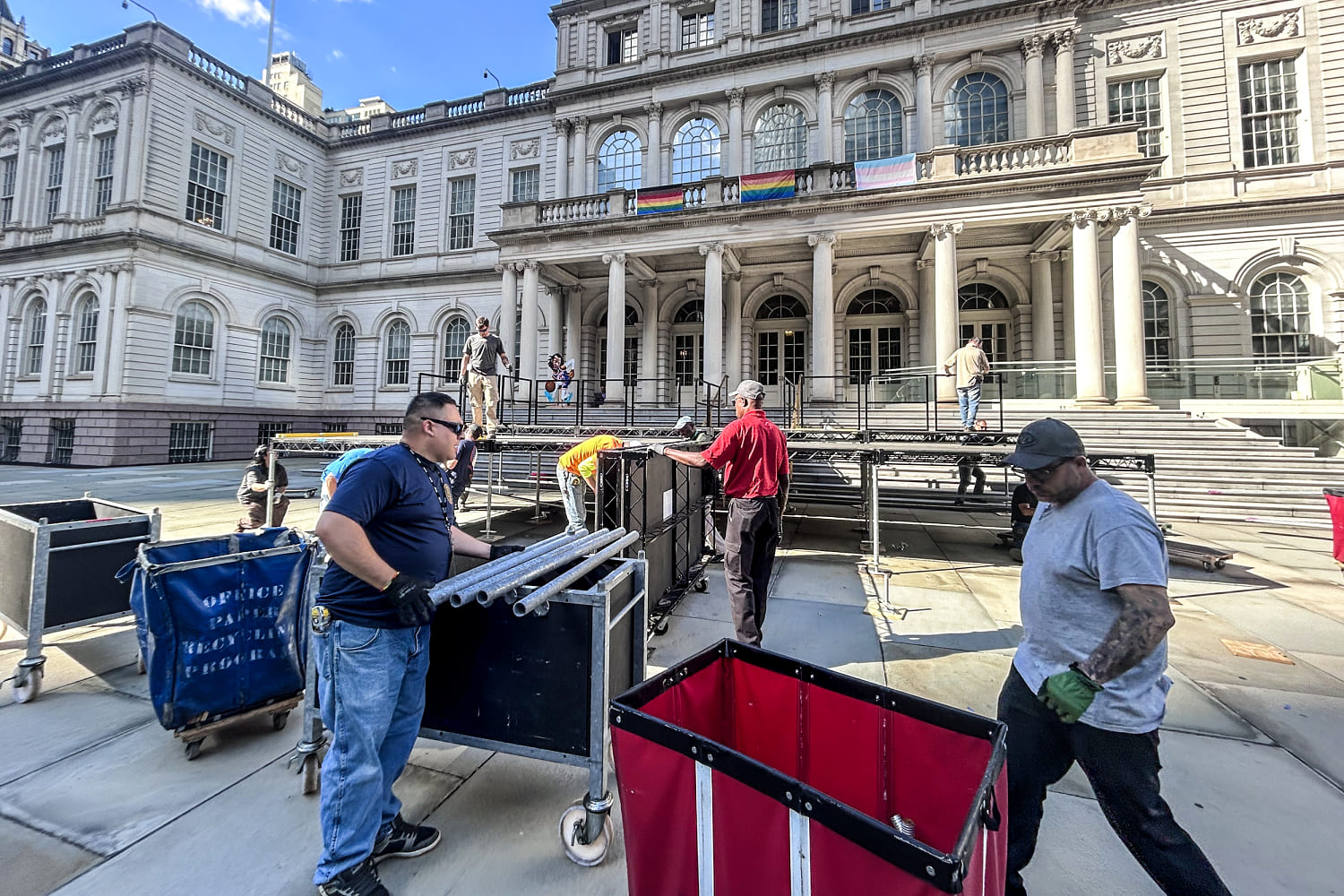
New York City is preparing for an unprecedented logistical challenge as millions of fans plan to flood Lower Manhattan for the New York Knicks championship parade. While public attention focuses on the celebration, city officials and economic analysts are quietly grappling with a staggering financial and security reality. The city will spend an estimated $25 million in public funds to secure, clean, and manage the route from Battery Park to City Hall.
This is not just a party. It is a massive, high-stakes municipal operation that tests the absolute limits of urban infrastructure.
The True Cost of the Canyon of Heroes
Hosting a ticker tape parade is often framed as a pure economic victory for the host city. Local officials love to highlight hotel occupancy rates and restaurant spending. However, the balance sheet tells a much more complicated story.
The immediate financial burden falls squarely on taxpayers. Police overtime alone accounts for more than half of the projected budget. Thousands of officers must line the route, secure rooftops, manage transit hubs, and handle crowd control barriers for a footprint that stretches across dozens of city blocks.
Beyond law enforcement, the Department of Sanitation faces a monumental task. Clearing hundreds of tons of shredded paper, confetti, and consumer waste requires a coordinated deployment of mechanical sweepers and hundreds of workers operating on accelerated shifts. When you factor in the emergency medical services on standby and the complete disruption of municipal services, the baseline cost skyrockets before the first piece of confetti even hits the pavement.
Local businesses face a paradox during these massive civic events. While bars and souvenir shops near the parade route experience a massive surge in foot traffic, other enterprises suffer. Delivers grind to a halt. Financial firms and corporate offices in the Financial District frequently tell employees to work from home, turning vibrant commercial corridors into ghost towns the day before and the day after the event. The net economic benefit is rarely as large as the initial projections claim.
A Security Grid Built for the Modern Era
Crowd management has changed fundamentally over the last decade. The New York Police Department is not merely relying on steel barricades and officers on horseback to manage the expected three million attendees. They are deploying a sophisticated, multi-layered security grid.
The primary challenge is the sheer density of the crowd. The Canyon of Heroes is narrow, bordered by towering skyscrapers that create unique communication and surveillance challenges. To counter this, law enforcement will utilize advanced drone technology to monitor crowd flow and identify potential choke points in real time.
Perimeter Controls and Transit Adjustments
Securing the perimeter requires total control over vehicles entering Lower Manhattan. Standard sanitation trucks filled with sand will block key intersections to prevent unauthorized vehicle access to the parade route. This heavy infrastructure is necessary to create a hard barrier between the celebration and the rest of the city traffic.
Subway stations along the Broadway corridor present the highest risk for dangerous overcrowding. The Metropolitan Transportation Authority plans to bypass certain stations entirely if platforms reach critical density. This operational reality means fans will likely face miles of walking just to access or exit the parade zone, a detail often omitted from official celebratory announcements.
The Missing Piece of the Economic Puzzle
Cities frequently justify these massive expenditures by pointing to long-term branding value. They argue that global media coverage puts the city in a positive spotlight, driving future tourism. Yet, concrete data supporting this theory is notoriously difficult to find.
Consider a hypothetical example where a city spends $20 million on a parade and claims a $50 million economic impact based on regional spending. Those calculations often fail to account for displacement. The tourists who visited the city for the parade simply replaced regular business travelers or leisure tourists who avoided the city specifically because of the chaos. The money changes hands, but the net growth is minimal.
Managing the Human Surge
The physical toll on the city infrastructure extends far beyond the immediate route. Public restrooms are virtually non-existent in Lower Manhattan, forcing the city to rent thousands of portable facilities that must be staged and serviced under tight time constraints.
Cellular networks will face extreme strain. With millions of people attempting to upload videos and send messages simultaneously, local network towers will quickly saturate. Emergency services must utilize dedicated, encrypted communication channels to ensure that vital life-safety transmissions are not blocked by standard consumer data traffic.
The victory on the court is over. The logistical battle to safely return millions of euphoric fans to their homes is just beginning.