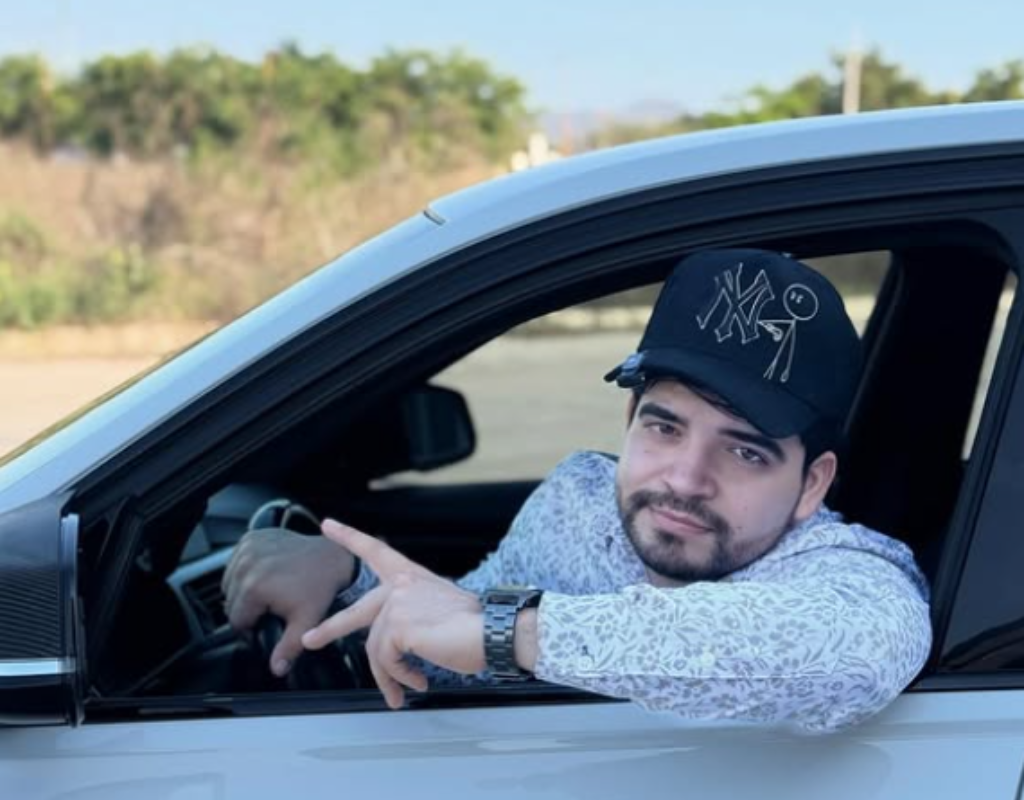
A standard broadcast turned fatal in a matter of seconds. Mexican TikTok creator Cesar Gastelum was shot and killed while livestreaming outside a fast-food restaurant in Culiacán, Sinaloa.
If you follow creator culture or international news, you already know the basic facts. The 25-year-old influencer, known for comedy sketches and characters like Profe Alducin, had built an audience of nearly 600,000 followers. He was sitting with friends outside, participating in a challenge while dressed as a food delivery worker. Two people on a motorcycle pulled up. The rider opened fire directly at him on camera.
The internet is flooded with surface-level reports of the incident. Most coverage stops at the shock value of a crime captured live on social media. But looking past the immediate horror reveals a much darker reality regarding online creators operating in high-risk regions.
The Reality of Culiacán
Geography matters here. Culiacán is the capital of Sinaloa, a region long consumed by intense factional fighting within organized crime. Following internal conflicts inside the Sinaloa Cartel, the city has experienced persistent security crises.
Local authorities and Mexico's Security Cabinet noted that investigators are examining numerous online publications as potential lines of inquiry, including posts that referenced criminal groups. While officials have not explicitly pinned down a definitive motive or confirmed immediate cartel involvement, the environment makes digital visibility a dangerous game. When local tensions boil over into public spaces, high-visibility social media profiles act as instant beacons.
This isn't an isolated event. It fits into a grim pattern of violence targeting internet personalities in Mexico.
Echoes of Past Tragedies
Digital creators often operate under the false assumption that a camera lens offers protection. It doesn't.
In May 2025, beauty influencer Valeria Márquez was shot dead while livestreaming from her salon in Zapopan, Jalisco. That case later led to the arrest of high-profile cartel-linked figures. When creators broadcast their exact physical coordinates in real time, they remove any barrier between online engagement and physical vulnerability.
Gastelum's final post, shared just days prior with fellow creator La Beba, showcased the lifestyle content that fueled his rapid follower growth. Travel shots, high-end vehicles, and constant location sharing define modern influencer branding. Unfortunately, that same transparency creates massive security vulnerabilities.
What Creators Must Evaluate Moving Forward
Most digital strategy guides focus on engagement metrics, algorithms, and monetization. They ignore physical safety entirely. Operating in regions impacted by cartel conflicts or high street crime requires a complete shift in how creators handle public appearances.
- Stop Real-Time Broadcasting: Live-location streaming acts as an open invitation. Delay your broadcasts or stick to controlled studio environments if your safety is compromised.
- Assess Local Risks: Content creators cannot ignore local geopolitical realities. A stunt or a casual public appearance that works safely in Mexico City can carry entirely different risks in Sinaloa.
- Evaluate Online Associations: Investigators frequently look at a creator's digital footprint when tragedies occur. Engaging with controversial topics or referencing local criminal factions online draws dangerous scrutiny.
The digital landscape has changed. Real-world consequences catch up to online personas faster than ever. Stay safe and protect your physical boundaries before chasing the next viral moment.