Salt crusts the bridge wing. Dawn comes not as a gentle unfurling of light in these latitudes, but as a sudden, blinding blow of copper across the Gulf.
Thirty miles off the Omani coast, the air is thick enough to chew. It smells of heavy bunker fuel, stale coffee, and the faint, ever-present sulfur of the refineries lining the horizon. Down in the engine control room, the low-frequency thrum of a twenty-thousand-horsepower diesel engine vibrates straight through the soles of your boots. It is a heartbeat. A mechanical pulse that has driven steel through water for six thousand nautical miles.
Then comes the sound.
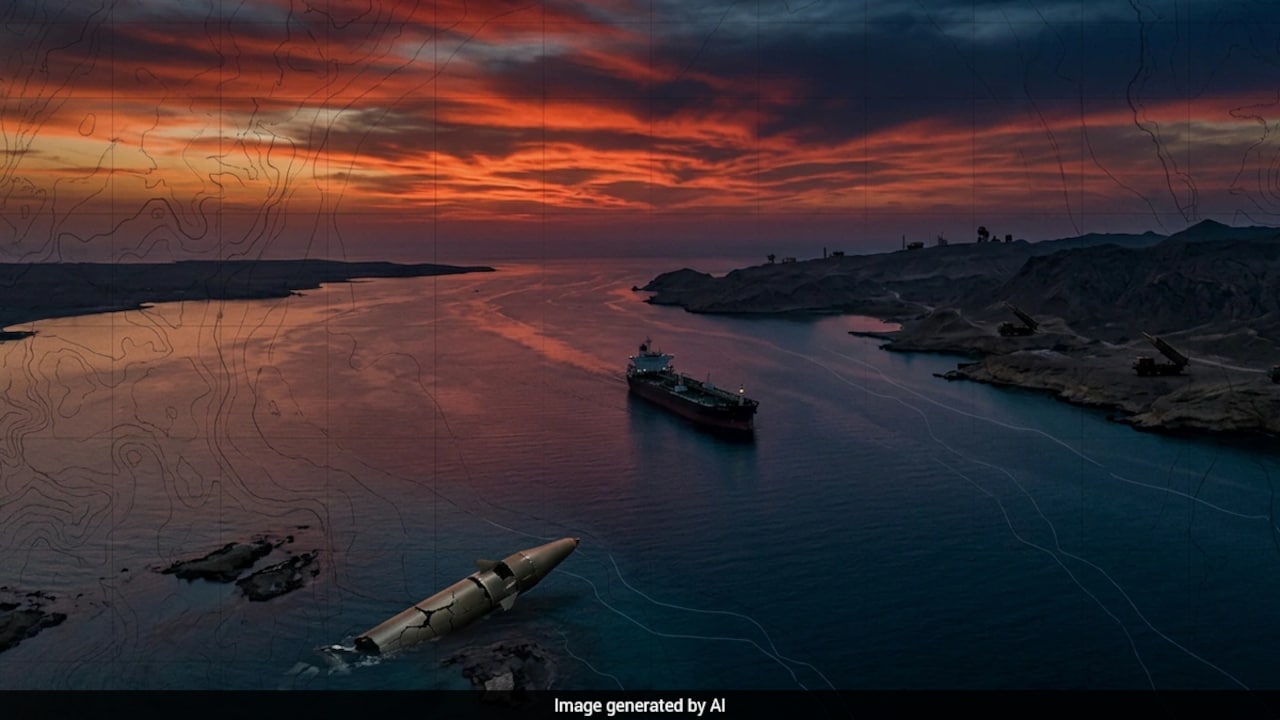
It is not the cinematic boom of a blockbuster movie. To the men on watch, it sounds like a massive crane dropping a shipping container onto a steel deck. A sharp, violent crack that vibrates through the entire superstructure, followed instantly by the screaming whine of tearing metal.
Thousands of miles away, on glowing Bloomberg terminals and in quiet government briefing rooms, analysts will soon tap keys and update risk matrices. They will call it a disruption. They will debate maritime insurance premiums and choke points. But here, on the damp steel plates of a loaded product tanker, it is simply the sound of a normal Tuesday morning shattering into terror.
The Geography of Anxiety
Look at a map of the Middle East. Squint at the crook of land where the Persian Gulf empties into the wider Arabian Sea.
That squeeze is the Strait of Hormuz. At its narrowest point, it is only twenty-one miles wide. Yet through this watery corridor passes roughly a fifth of the world’s petroleum consumption. Every single day, supertankers loaded with millions of barrels of crude thread a needle carved out by political hostility and unforgiving geography.
Imagine driving a fully loaded freight train down a two-lane highway, except the shoulders are mined, the other drivers are glaring at you through night-vision goggles, and everyone in the neighborhood is holding a match.
For the mariners who crew these vessels, the Strait is a place where you do not look at the scenery. You look at the radar screen. You watch the surface of the water for anything out of place—a drifting skiff, a floating crate, a streak of white foam where nothing should be moving. When an unknown projectile strikes a hull, it is the realization of every quiet fear whispered in the mess hall at midnight. It is the reminder that the global economy is a very fragile glass house, and the Strait of Hormuz is where someone is always swinging a hammer.
Anatomy of an Unknown Strike
Details arrive in fragments.
A flash of light on the starboard quarter. A sudden shudder that sends coffee mugs sliding across tables. Smoke billowing near the water line, dark and oily against the pale morning sky.
In the immediate aftermath, chaos rules. The bridge team goes through a meticulously drilled, adrenaline-fueled checklist. All hands to stations. Damage control report. Check the cargo tanks. Mercifully, the latest reports from such incidents often share a grim relief: no catastrophic breach of the cargo holds, no massive environmental disaster spilling black death into the turquoise waters, and crucially, no fatalities among the crew.
Yet the psychological impact lingers far longer than the smoke clears.
Consider the ordinary sailor from Manila, Mumbai, or Odessa. They left home months ago for a contract that pays the bills, funds college tuition, and builds houses back home. They are mechanics, cooks, navigators, and fitters. They are not combatants. They do not wear uniforms with rank insignia. They wear grease-stained coveralls and steel-toed boots.
When a stray piece of ordinance or an unidentified drone strikes their vessel, it exposes the surreal reality of modern maritime logistics. The clothes on your back, the plastic in your phone, the gasoline in your car—they all depend on people who just wanted to earn an honest living, sailing through waters where invisible chess players move pieces that can kill.
The Ripple Effect on Dry Land
Back on land, the news cycle moves with ruthless speed.
The alert flashes on a smartphone screen between a celebrity gossip item and a weather report. Crude futures tick upward by two dollars a barrel. Cable news pundits furrow their brows, speaking in measured tones about geopolitical stability, freedom of navigation, and proportional responses.
Then the market adjusts. The tank keeps moving, escorted or limping toward a safe harbor for repairs. Life in the cities thousands of miles away goes on uninterrupted. The commute continues. The thermostat stays set.
We forget the seam. We forget that civilization is stitched together by thin lines of grey water and men who rarely sleep.
When a tanker is struck in Hormuz, it is not merely an attack on a ship flying a convenient flag of convenience. It is a strike against the nervous system of modern life. It forces us to remember that the luxuries of the developed world rest upon a foundation of immense, grinding physical vulnerability.
The smoke fades over the Arabian Gulf. The crew washes the soot from the decks, inspects the dented steel, and signs the logbook. Somewhere ahead, another horizon waits, shimmering in the merciless heat, hiding secrets just beneath the surface.