The sea does not care about diplomacy. It only cares about depth, wind, and the relentless pull of the tide.
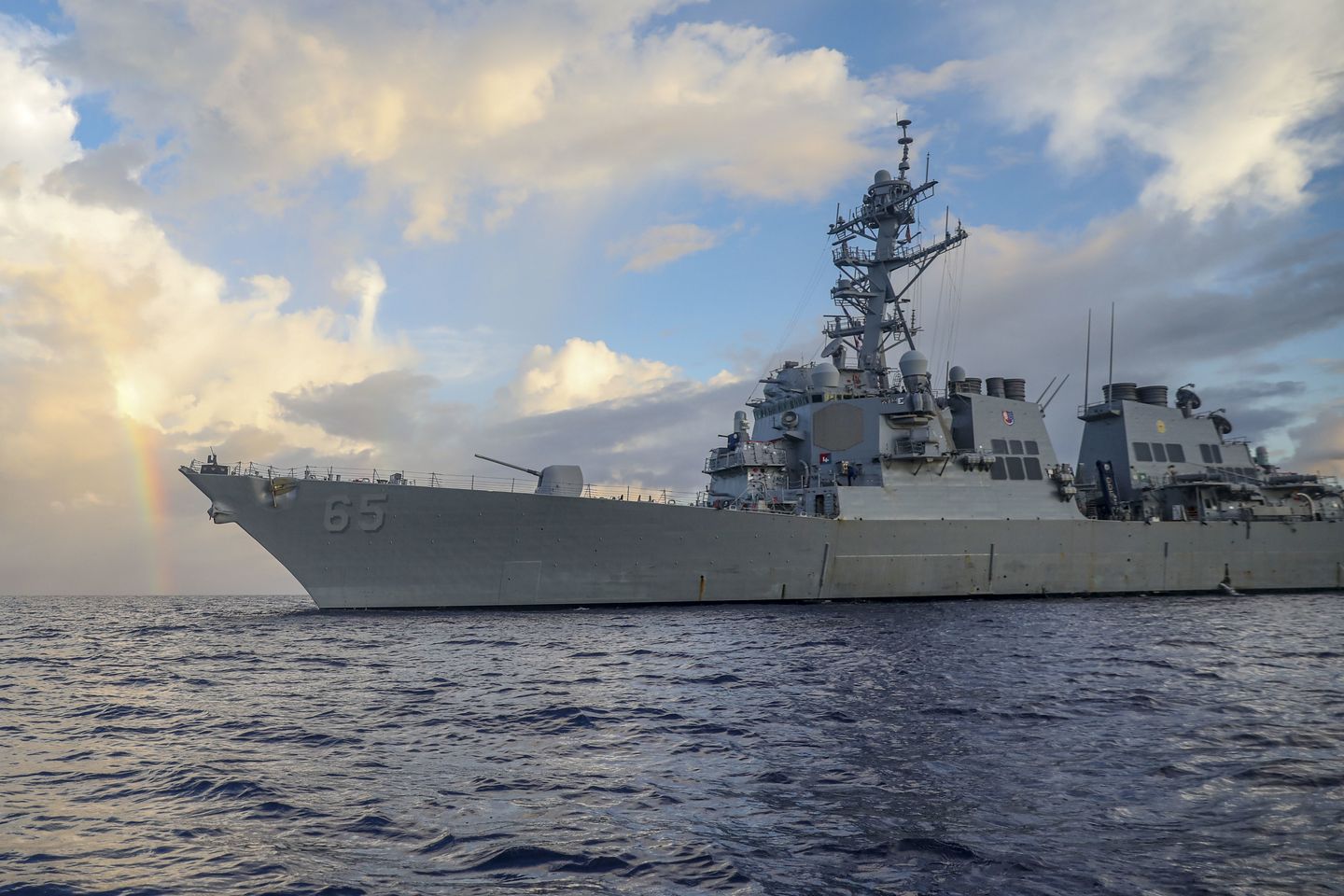
Stand on the cliffs of Musandam, peering down at the Strait of Hormuz, and you are looking at a watery throat that feeds the engines of the modern world. Every single day, massive supertankers drift through this twenty-mile-wide chasm, carrying millions of barrels of crude oil that keep lights on in Tokyo, factories humming in Germany, and cars moving across American highways. It looks serene from above. A brilliant, sapphire ribbon slicing between jagged mountains and golden sand.
Beneath that surface, however, sits a permanent, trembling tension.
Consider a hypothetical master mariner named Tariq, steering a three-hundred-meter oil tanker through these confined shipping lanes. He knows every sandbar, every radar shadow, and every whisper of radio chatter. He also knows that his vessel is a floating glass house. One miscalculation, one blocked channel, one angry decree from a capital thousands of miles away, and the global economy stutters, chokes, and falls to its knees.
This is the backdrop of modern geopolitics. Power is rarely exercised in grand halls anymore. It is exercised at narrow pinch points.
Recently, the friction spiked into open air. Reports surfaced detailing sharp, uncompromising rhetoric from Donald Trump, warning Oman—the quiet, diplomatic neighbor guarding the southern mouth of the strait—against any interference with a potential Strait of Hormuz deal. It was a blunt force statement delivered in a high-stakes arena, reminding everyone involved that the United States views this watery corridor not as a regional shipping lane, but as an existential artery of global stability.
The threat was stark. Interfere with the agreement, disrupt the flow, and face severe consequences.
To understand why a warning directed at Oman carries such immense weight, you have to look past the headlines and understand the geography of neutrality. Oman has long played the role of the quiet mediator in the Middle East. Tucked away on the southeastern tip of the Arabian Peninsula, Muscat has historically kept its doors open to everyone, serving as the Switzerland of the Gulf. When hostile nations need to talk behind closed doors, they talk in Oman. When tankers need safe passage through territorial waters, Omani authorities manage the traffic separation schemes with practiced, quiet efficiency.
Yet, neutrality is a luxury that requires immense strength to maintain. And when the prize is the world's energy supply, neutrality is constantly tested by superpowers looking for absolute control.
Trump’s warning strips away the diplomatic varnish. It reflects a hardline transactional approach to international security. The logic goes like this: the stability of the global oil market is non-negotiable. If regional players attempt to leverage their geographical position to squeeze trade deals or subvert American interests, the response will not be polite negotiation. It will be overwhelming, kinetic force.
Critics call it reckless. Supporters call it realistic. But no one calls it ambiguous.
To feel the weight of this, imagine sitting in a control room in Muscat, watching the blinking green dots of supertankers traverse the strait. You realize that your small nation shares custody of a global choke point. You want peace. You want trade. You want to stay out of the grinding gears of superpower rivalries. Yet, you are constantly caught in the crossfire of declarations made in Washington, Tehran, and Riyadh.
When a leader like Trump threatens military intervention over a shipping lane dispute, the shockwaves are immediate. Insurance rates for cargo ships spike instantly. Crew members look at their families through video screens and wonder if their next voyage will cross into a war zone. Energy traders in London and New York watch the ticker tape, buying and selling futures based on the probability of a blockade.
The tragedy of the Strait of Hormuz is that it is a hostage to geography. No pipeline can completely replace it. No alternative route can absorb the sheer volume of petroleum and liquefied natural gas that squeezes through its waters. It is a single point of failure for human civilization.
For decades, American foreign policy has operated on a simple premise: keep the oil moving, no matter the cost. Presidents from both parties have drawn lines in the sand, or rather, in the water. But Trump’s approach lacks the traditional diplomatic hedging. It is direct, public, and laced with immediate military ultimatums. It tells Oman, and by extension Iran and every other regional player, that the margin for error has vanished.
There is a profound anxiety that comes with living near a fault line. Ask anyone who has built a home on the San Andreas Fault, or beneath the slopes of Vesuvius. They know that beauty and catastrophe live side by side.
The people living along the Omani coast live with a different kind of fault line—one drawn by politics and petroleum. They watch the supertankers glide past their beaches, carrying the black blood of the earth, knowing that a single spark could ignite the entire region. They rely on diplomacy because they have to. They know that when elephants fight, the grass gets trampled.
And right now, the elephants are trampling very close to the water's edge.
As the echoes of these threats settle into the diplomatic ether, the reality remains unchanged. The Strait of Hormuz is still narrow. The tankers are still sailing. The world is still consuming energy at a breathless pace.
Nothing has exploded yet. But the air is thinner. The margin for error is smaller. And somewhere out on the dark, restless water, a captain adjusts his compass, watching the horizon for a change in the wind.