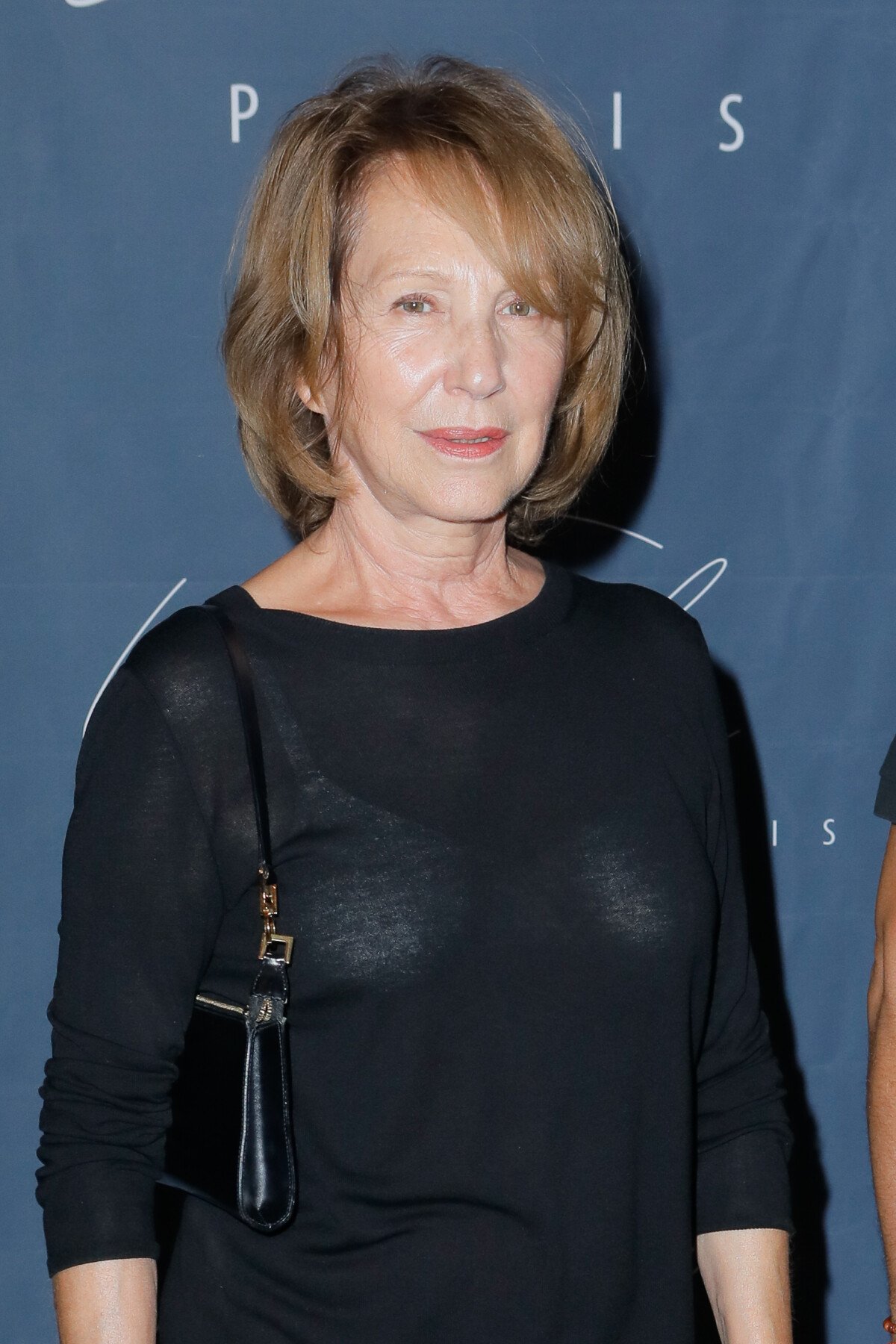
The news cycle is a vulture, and today it feeds on a ghost. AFP reports that Nathalie Baye has died at 77. The obituaries are already rolling off the assembly line—polite, somber, and completely wrong. They will paint her as the "grande dame" of French cinema, a tragic loss for the arts, and a soft-focus relic of the New Wave’s second act.
They are missing the point. To mourn Baye as a departed icon is to misunderstand the very machinery of French celebrity she spent fifty years subverting. We don’t need more tear-soaked retrospectives. We need to acknowledge that the "death" of an actor like Baye happened decades ago when the industry tried to box her into the archetype of the fragile, suffering intellectual.
She didn't just act; she survived a system designed to consume women of her caliber and spit out caricatures. If you’re reading the standard tributes, you’re reading fiction.
The Bourgeois Trap
The "lazy consensus" among film critics is that Baye’s brilliance lay in her quietude. They call it "subtlety." I call it a tactical refusal to give the audience what they wanted.
Most French stars of her generation leaned into the melodrama. They wanted the screams, the smeared mascara, the grand exits. Baye did the opposite. In films like Every Man for Himself (1980) or A Strange Affair, she occupied space with a cold, almost clinical precision. She wasn't "vulnerable"—a word critics use when they want to patronize an actress. She was observant.
The industry hates observant women. It prefers them messy. By maintaining a sharp, impenetrable exterior, Baye broke the unspoken contract between the star and the spectator. She refused to be "known."
When you see headlines today lamenting the loss of her "warmth," realize they are projecting. Baye was the master of the emotional freeze. She understood that in the high-stakes world of European co-productions, the person who reveals the least holds the most power. She wasn't your cinema sweetheart; she was the smartest person in the frame, and she usually looked bored by the script’s attempts to make her weep.
The Truffaut Delusion
Every hack writer is currently digging up quotes about her work with François Truffaut. They’ll point to The Green Room or Day for Night as the pinnacle of her career.
Stop.
Truffaut didn’t "discover" her essence; he used her as a prop for his own obsessions with death and memory. To credit her legacy primarily to the men who directed her is the ultimate insult to her craft. Baye succeeded in spite of the "Auteur Theory," not because of it.
I’ve sat in rooms with producers who talk about "finding the next Baye." What they mean is they want a woman who can look sad in a trench coat while a man explains the world to her. They never find her because they ignore the grit. They ignore La Balance (1982), where she played a sex worker with a jagged edge that sliced through the "pretty girl" narrative the industry tried to force on her.
That wasn't a "brave departure." It was a correction. It was Baye telling the critics to stop looking at her face and start looking at her work.
The Seduction of the "César" Metric
The press will tell you she won four César Awards. They’ll use this as proof of her greatness.
Since when did we trust committee-voted trophies to measure artistic soul? The Césars are a self-congratulatory circle for the Parisian elite. Baye winning them wasn't a sign that she had "made it"; it was a sign that the establishment was desperate to claim her.
The real data of her career isn't found in gold statues. It’s found in her pivot to television and smaller, grittier projects when the big-budget French machine became too predictable. She saw the stagnation of the "Prestige Drama" long before the streamers arrived to kill it.
While her peers were busy trying to maintain their status as "National Treasures," Baye was working. She treated acting like a trade, not a priesthood. That is the nuance the obituaries will miss: she was a blue-collar worker in a white-collar industry.
The Myth of the "Great Loss"
Let’s be brutally honest about why the media reacts this way. The death of a 77-year-old icon isn't a tragedy for the art form—the art is already on the screen, preserved, unchangeable. The tragedy is for the media outlets who just lost a reliable source of "classy" content.
They ask: "Who will replace her?"
The answer is: No one, because the environment that created her is dead. The mid-budget European drama is an endangered species. The era of the "thinking person's star" has been replaced by the "viral person's influencer."
If you want to honor Nathalie Baye, stop posting black-and-white stills of her looking pensive. Instead, demand cinema that doesn't treat women over 40 as either "venerable" or "invisible."
Baye’s career was a fifty-year war against the very sentimentality being used to describe her death today. She didn't want your sympathy when she was alive, and she certainly doesn't need your hagiography now.
The industry didn't lose a star today. It lost its most effective critic—the woman who showed up, did the work better than anyone else, and refused to play the part of the victim.
Close the tab. Watch Le Petit Lieutenant. Stop mourning a woman you never bothered to understand.