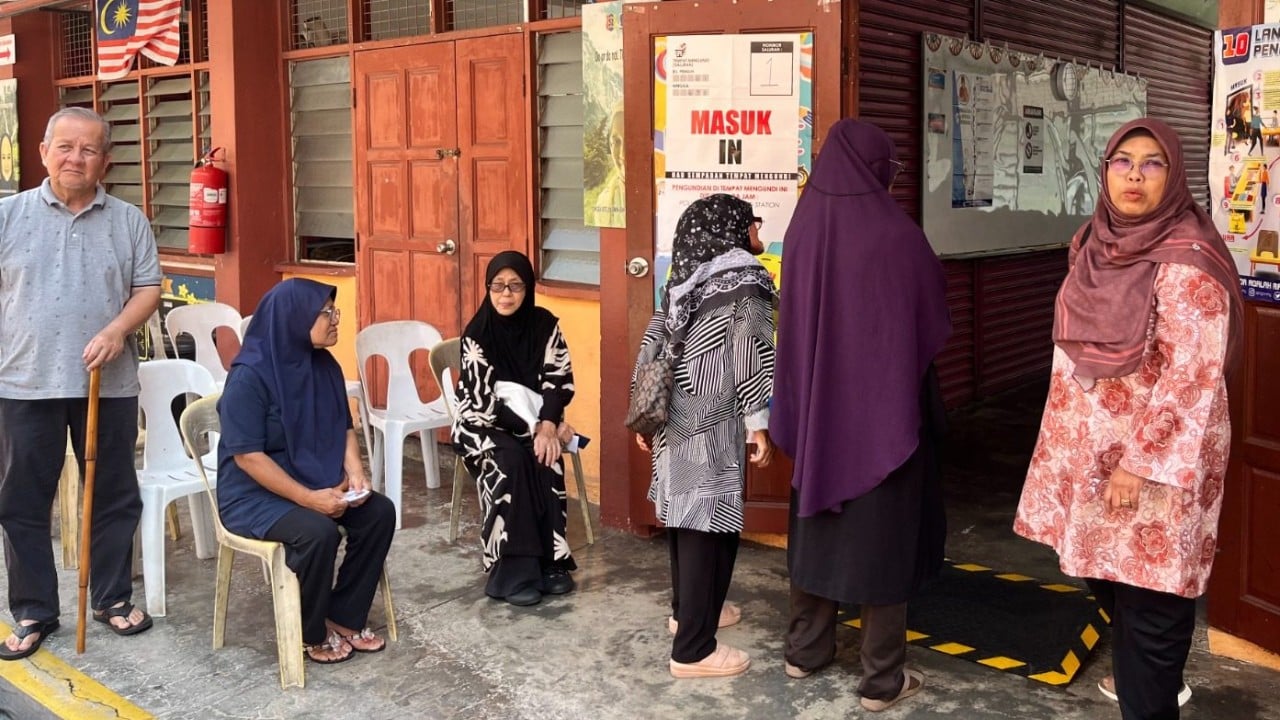
Malaysian politics rarely stays stable for long. When the state assembly of Negeri Sembilan dissolved following a chaotic royal dispute and shifting local alliances, it triggered more than just a routine election. It created a high-stakes battlefield where old enemies share strange beds and federal partnerships fracture on the ground.
If you watch Prime Minister Anwar Ibrahim's federal unity government from afar, you might think cooperation is the new normal. On the ground in Seremban and across the state's 36 seats, reality looks completely different. Pakatan Harapan (PH) and Barisan Nasional (BN) are trading blows head-on, testing whether forced national marriages can survive local ambitions.
The Ground Reality in Negeri Sembilan
Political dynamics in this southern state shifted dramatically right before voters headed to the polls on August 1, 2026. In the 2023 state elections, PH managed 17 seats while BN captured 14, allowing them to cobble together a functional local administration mirroring the federal setup. Perikatan Nasional (PN) secured the remaining 5.
Fast forward to the present day, and the equation has broken. BN—anchored by its lynchpin party UMNO—found common cause with elements of PN, particularly PAS. For lifelong party members like 65-year-old retiree Mohd Wan Riduan in the Sikamat constituency, backing a BN-PN alignment feels far more natural than defending an awkward coalition with PH.
This sentiment is echoed across rural and semi-urban districts. Analysts from research firms like Ilham Centre point out that Malay-majority seats are witnessing a powerful consolidation under a Malay-Muslim unity narrative. When UMNO and PAS stop splitting the conservative vote, the electoral math turns brutal for Anwar's camp.
Why the Malay Vote Split Matters
Elections are won and lost on numbers, not good intentions. Negeri Sembilan features 23 Malay-majority seats, with over three-quarters of voters being Malay in at least 11 of them.
In previous cycles, three-cornered fights between BN, PH, and PAS allowed PH candidates to slip through the middle with narrow margins. Now, with BN and PN carving out tactical understandings to avoid eating into each other's bases, the Malay voter base is coagulating.
- UMNO is contesting key rural strongholds to reclaim traditional ground.
- PAS machinery is successfully transferring conservative votes to aligned candidates.
- PH faces a severe support deficit among rural Malay voters, hovering well below historic highs.
Scholars from institutions like the International Islamic University Malaysia note that younger voters, in particular, care little about historical animosities like the intense political fallout of the 1980s. They care about local representation and identity politics. This generational shift gives the opposition pact a serious advantage in areas that used to be safe territory for the establishment.
The Fallout for Putrajaya
You cannot separate state polls from federal survival. Anwar Ibrahim needs a clear victory here to prove his administration retains a mandate after stumbling in previous regional contests. Losing ground in Negeri Sembilan doesn't just mean a change in local executive power; it signals that the federal unity model is rotting from the bottom up.
Tensions are already visible. Local leaders who spent decades fighting each other cannot easily pretend to be friends just because party headquarters signed an agreement in Kuala Lumpur. When UMNO candidates win, they demand executive power that PH feels reluctant to surrender. When they lose, finger-pointing starts immediately.
Electoral analysts suggest that if the BN-PN formula proves successful in capturing a comfortable majority of the 19 seats required to form the state government, expect seismic ripples across national politics ahead of the next general election. Parties will re-evaluate their survival strategies overnight.
Watch the numbers coming out of the marginal districts closely. They tell the real story of where Malaysia is heading long before politicians announce it on television.
This video provides an in-depth look at the shifting political alliances and voter sentiment leading up to the critical state elections in Malaysia.