Headlines twist diplomatic statements faster than a wildfire spreads through dry brush. Last week's devastating flash floods in Nepal triggered a massive humanitarian crisis, leaving over a thousand people dead and sparking intense debates over climate responsibility. Outlets quickly spun a narrative that Kathmandu was directly demanding bilateral financial payouts from its neighbors. That simply didn't happen.
Nepal Foreign Minister Shisir Khanal stepped forward to clear the air, stating clearly that his government never requested financial compensation from India, China, or any other nation. If you look past the sensationalized clickbait, the actual dialogue reveals a much deeper argument about global climate liability rather than a petty neighborhood funding dispute. For a different perspective, read: this related article.
Misinterpreted Words And Climate Realities
The whole confusion started when local media picked up comments regarding climate justice and systemic accountability. Khanal had pointed out that tiny Himalayan nations contribute almost nothing to global greenhouse gas emissions yet bear the brunt of catastrophic glacier melting and erratic weather patterns. He framed it as a global crisis rather than a localized bilateral fight.
When translated through the lens of political rivalry, a philosophical critique of global carbon emitters somehow morphed into a rumor that Kathmandu was handing New Delhi an invoice. Khanal corrected the record directly. Neither he nor anyone else in the Nepalese administration filed a formal bilateral compensation claim against India. Related coverage regarding this has been shared by Reuters.
The Shared Burden Of The Himalayas
Nepal, India, and China sit on the exact same fragile ecological fault line. Mountain ecosystems don't care about international borders when temperatures rise and glaciers destabilize. The real message from Kathmandu was about shared vulnerability.
Instead of pointing fingers at immediate neighbors, the diplomatic push targets major global industrial emitters whose historical carbon footprints drive extreme weather worldwide. South Asia faces compounding environmental risks that require joint adaptation strategies, not fractured alliances.
Swift Relief On The Ground
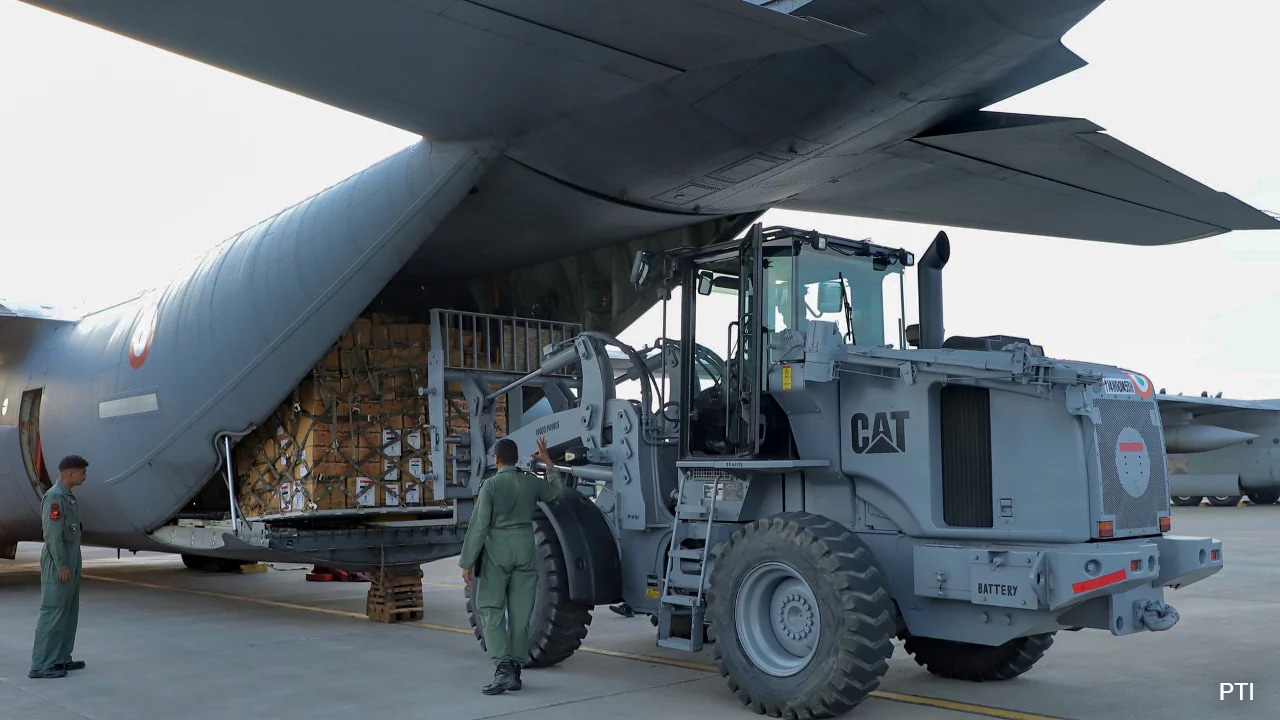
While pundits argued online over misquoted diplomatic briefings, practical relief operations moved fast. India was among the first responders, dispatching multiple aircraft laden with emergency rescue gear, medicines, dewatering pumps, and essential medical supplies right after Prime Minister Narendra Modi spoke with Nepalese leadership.
Nepal's top officials openly acknowledged and appreciated this rapid assistance. The cooperation on the ground highlights how regional ties survive media storms. Both nations understand that saving lives after a disaster takes precedence over clearing up media-manufactured noise.
Check local emergency coordination channels if you want to support ongoing recovery efforts in the affected Himalayan regions, or donate directly through verified international humanitarian organizations working on the ground.