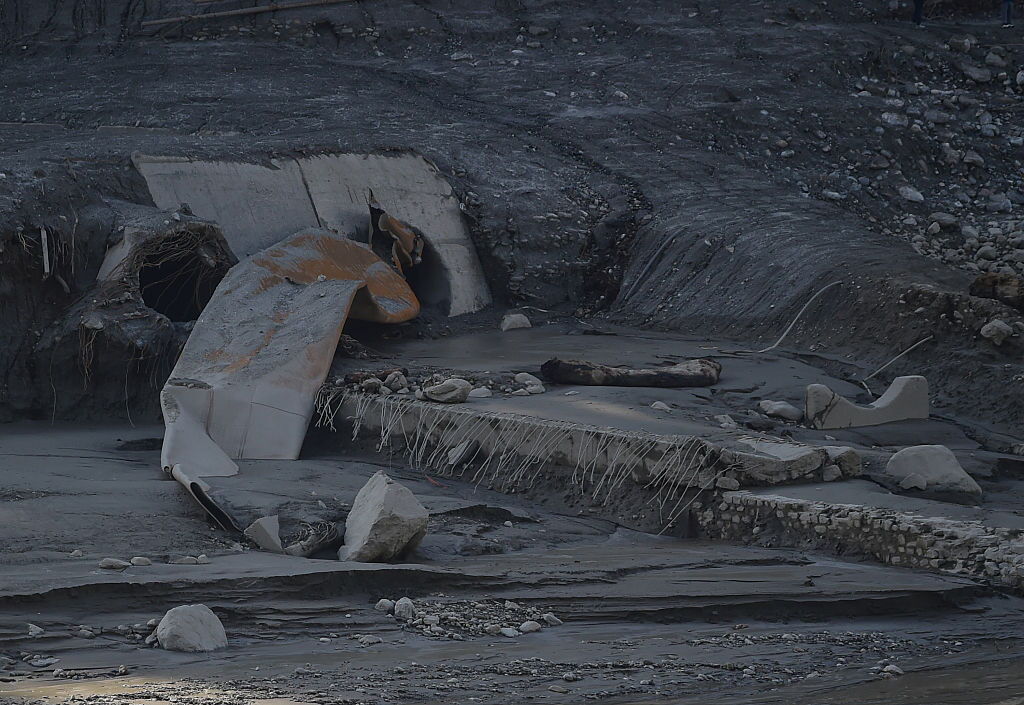
One week after the deadly floods in Nepal swept away entire communities, the official narrative of rescue and recovery collides with the brutal reality on the ground. Water levels have receded, leaving behind calcified layers of grey silt, crushed timber, and the belongings of families who received no warning before the torrent arrived. Rescuers are still working through the mud, but the operation has shifted from emergency extraction to an agonizing recovery effort. The official death toll climbs daily, yet numbers fail to capture the structural failures that turned heavy monsoon rains into a national catastrophe.
Anatomy of a Preventable Disaster
Monsoon season is not a surprise in the Himalayas. Meteorological offices tracked the atmospheric pressure systems building over the Bay of Bengal weeks prior, issuing generalized warnings about heavy precipitation. But a weather alert on a smartphone means nothing to a subsistence farmer living in a valley without cellular coverage or electricity. Read more on a related subject: this related article.
Early warning systems exist primarily on paper. When the swollen rivers breached their banks, sirens that were supposed to wail remained silent due to neglected maintenance and lack of local funding. Communities downstream learned of the danger only when brown water breached their doorframes in the dead of night.
Where the Relief Money Goes
International aid pledges arrived within hours of the first broadcast reports. Millions of dollars earmarked for disaster relief poured into central government accounts in Kathmandu. Months from now, international auditors will trace those funds through bureaucratic mazes while remote mountain villages remain cut off from the main highway network. More journalism by BBC News highlights comparable views on this issue.
Road infrastructure in rural Nepal remains chronically fragile. Landslides routinely sever the Prithvi Highway and regional feeder roads, isolating districts for weeks. Heavy machinery sits idle in municipal yards because fuel rations are restricted or spare parts are trapped in customs clearance bottlenecks. Local volunteers do the heavy lifting with shovels, bare hands, and sheer desperation.
The Economics of Reckless Development
Nature did not act alone in this disaster. Unregulated construction along riverbanks and unscientific road-widening projects have altered hydrological patterns across the country. Bulldozers carve unstable scars into fragile mountain slopes to connect remote settlements to the grid.
- Unregulated sand mining strips riverbeds of natural buffers.
- Concrete structures encroach directly onto seasonal floodplains.
- Deforestation removes the root systems that anchor topsoil during cloudbursts.
When the heavy rains hit, this altered landscape acted as a funnel. Torrents gathered speed and mass, picking up boulders and debris that transformed ordinary rivers into battering rams. Urban centers like parts of the Kathmandu Valley suffered not just from rising river levels, but from choked drainage systems blocked by plastic waste and illegal encroachment.
The Long Road to Nowhere
Survivors huddled in temporary relief camps face a grim future of waterborne diseases and food insecurity. Cholera and dysentery threaten children crammed into damp schoolrooms repurposed as shelters. International organizations distribute water purification tablets, but basic sanitation infrastructure was inadequate long before the floods hit.
Accountability remains elusive. Officials express grief in front of television cameras, promising thorough investigations and compensation packages for grieving families. History suggests these promises will dissolve once the international media cycle moves to a different crisis.
The resilient people of Nepal will rebuild their homes out of the same mud that destroyed them, waiting for the next monsoon to test the strength of concrete that was never meant to hold against the weight of neglected governance.