The headlines are predictable. Netanyahu vows "crushing blows" against Tehran. Pundits talk about "restoring deterrence." Military analysts map out flight paths for F-35s. They are all reading from a playbook that burned up a decade ago.
The lazy consensus suggests that tactical superiority—dropping bigger bombs with better guidance systems—equals a strategic victory. It doesn't. In the current Middle Eastern theater, the more Israel strikes the heart of Iran, the faster it erodes its own long-term security. This isn't pacifism. It's math.
The Myth of Kinetic Deterrence
We have been told for forty years that "deterrence" is a physical wall built of spent shell casings. If you hit the enemy hard enough, they stop hitting back.
Except they don't.
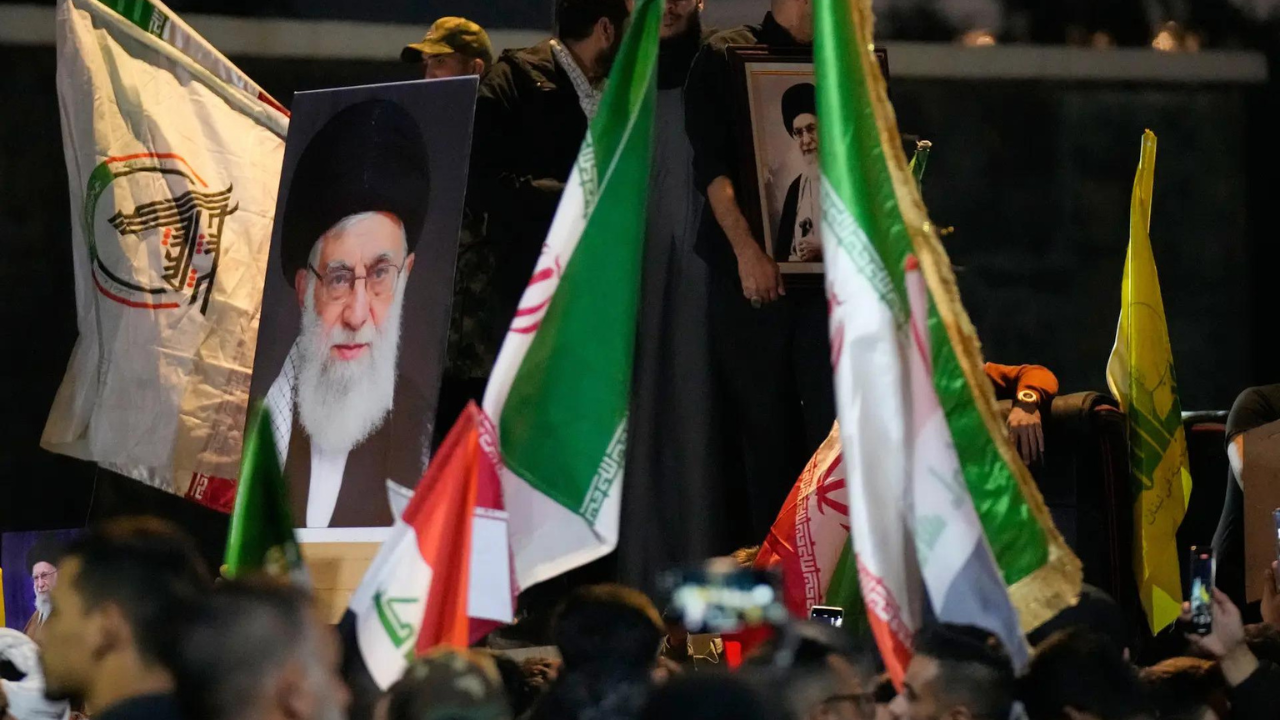
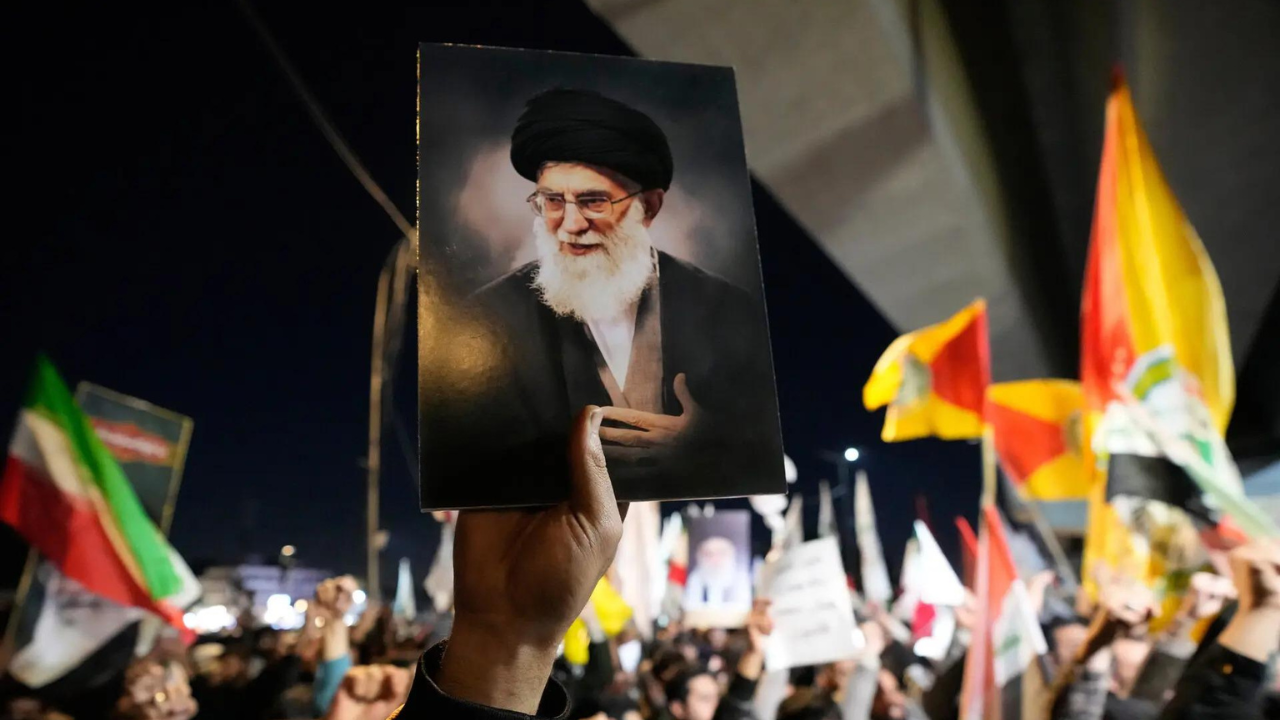
In the modern asymmetric arena, kinetic strikes are often an accelerant, not a fire extinguisher. When Israel strikes Iranian soil, it doesn't dismantle the Islamic Revolutionary Guard Corps (IRGC); it validates their entire reason for existence. It provides the domestic political cover the regime needs to tighten its grip on a restless population.
I’ve spent years watching intelligence cycles where "success" is measured by the number of targets neutralized. It’s a vanity metric. If you kill a mid-level commander but radicalize three battalions and alienate your regional allies in the process, your net security has decreased. Netanyahu’s strategy is a high-frequency trading bot that wins every micro-second trade but is headed for a total portfolio collapse.
The Logistics of a Hollow Victory
Let's talk about the hardware. Standard analysis focuses on the Arrow-3 and Iron Dome interceptors. They are marvels of engineering. But they represent a catastrophic economic imbalance.
Imagine a scenario where a $20,000 "suicide" drone forces the launch of a $2,000,000 interceptor missile.
$Cost Ratio = \frac{C_{interceptor}}{C_{threat}}$
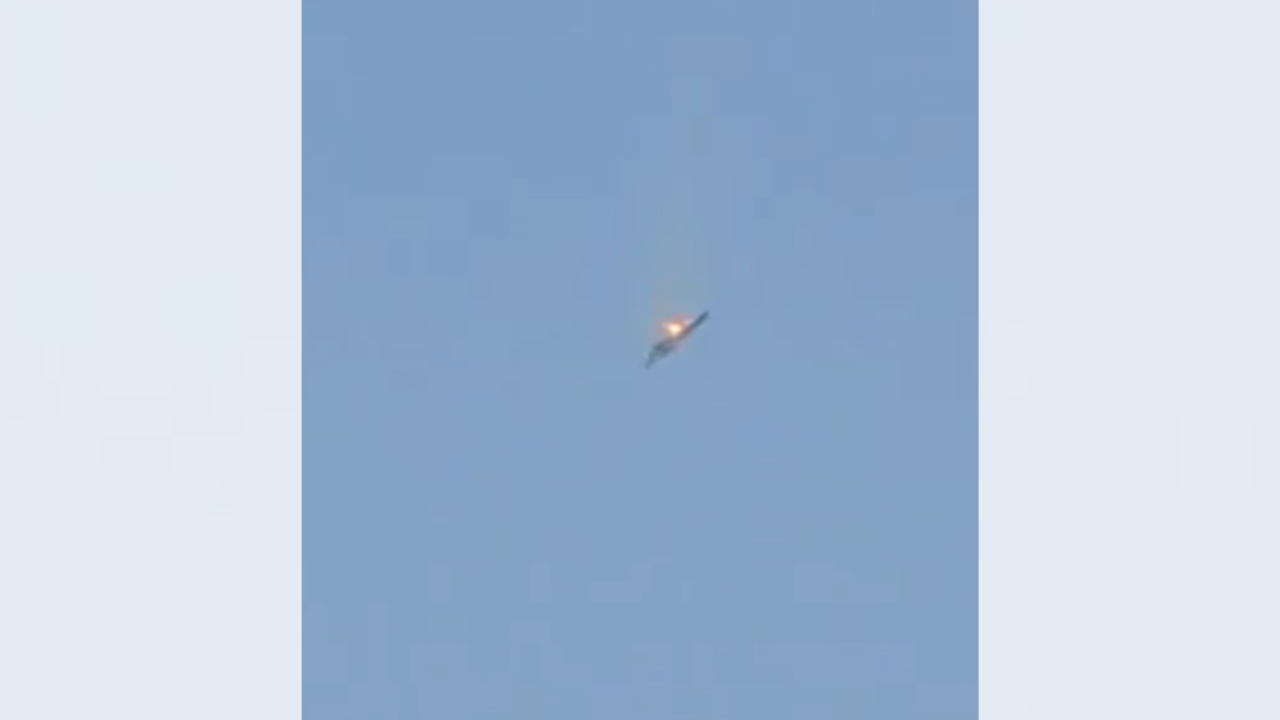
When your $Cost Ratio$ is 100:1, you aren't winning a war; you are being liquidated. Tehran knows this. They aren't trying to win a dogfight over the Damascus outskirts. They are trying to bankrupt the Israeli Ministry of Defense while bleeding out the U.S. taxpayer’s patience. By increasing strikes on Tehran, Netanyahu is inviting a saturated response that Israel cannot afford to defend against indefinitely.
The "Lazy Consensus" says Israel has the technological edge. The reality is that Iran has the attrition edge.
The Intelligence Failure of "Total Victory"
The term "Total Victory" is a marketing slogan, not a military objective.
In the corridors of power, the realists know that decapitation strikes rarely work against decentralized ideologies. You can blow up a laboratory in Karaj, but you cannot blow up the knowledge of how to build a centrifuge. That genie left the bottle in the late 90s.
By shifting the focus to direct strikes on the Iranian capital, Israel is abandoning the "Gray Zone" warfare it actually excels at—cyber ops, targeted sabotage, and economic strangulation—in favor of a loud, cinematic conflict that serves Netanyahu’s polling numbers more than Israel’s borders.
What the Competitor Pieces Miss:
- Regional Alignment: The Abraham Accords are built on the premise of stability. Loud, hot wars in Tehran make the Gulf states nervous. They want a silent partner, not a pyromaniac.
- The Nuclear Paradox: Bombing Iran doesn't stop the nuclear program; it moves it deeper underground. The more threatened the regime feels, the more "rational" the pursuit of a nuclear deterrent becomes in their eyes.
- Internal Iranian Politics: The IRGC loves these strikes. It silences the internal dissenters who argue for economic reform. Nothing unites a fractured nation like a foreign missile hitting the capital.
The Wrong Question
People keep asking: "Can Israel hit Tehran?"
The answer is yes. Their reach is undisputed.
The real question is: "What happens the day after?"
If the goal is to stop the shipment of precision-guided munitions to Hezbollah, bombing a warehouse in Tehran is the most expensive and least effective way to do it. It’s like trying to stop a leak in your bathroom by blowing up the municipal water treatment plant.
True security in 2026 isn't about who has the biggest payload. It's about Resilience Engineering. It's about hardening the home front, diversifying energy grids, and winning the narrative war in the Global South. Israel is currently failing all three because it is obsessed with the optics of the "crushing blow."
The Hard Truth About Alliances
Washington is tired.
The "ironclad" support often cited in press releases is fraying at the edges. Not because of a lack of shared values, but because of a lack of shared objectives. The U.S. wants a pivot to the Pacific to deal with a rising China. Netanyahu’s insistence on escalating with Tehran drags the West back into a 20th-century quagmire.
If Israel forces a regional war, it may find itself fighting with the finest weapons in the world, but with no one left to reload the magazines.
Stop looking at the explosion. Look at the void it leaves behind.
Netanyahu isn't vowing to win a war; he’s vowing to extend a stalemate until the bill comes due. And that bill is denominated in lives and national longevity, not just shekels.
Striking Tehran isn't a show of strength. It's an admission that you’ve run out of better ideas.