The ground is shifting in eastern Africa, and not in a way anyone wanted. On May 15, public health officials confirmed an outbreak of Ebola in the northeastern Democratic Republic of the Congo. Within weeks, the virus crossed the border into Uganda. The official tally sits around 781 suspected cases and over 180 deaths. But if you talk to the epidemiologists running the math behind the scenes, they'll tell you those numbers are a fantasy.
Imperial College London recently ran the data. Their models indicate the true size of the outbreak is likely double what's on the books. We're looking at massive under-detection. The virus didn't just appear out of nowhere in May; it had been burning through communities silently for weeks before anyone noticed. It's already the third largest Ebola outbreak ever recorded, and the trajectory is terrifying. In related updates, take a look at: The Teenager Who Looked Inside the Machine of Cancer.
This isn't the Ebola you think you know. This is the Bundibugyo strain, a rare variant that hasn't caused a major panic in over a decade. And right now, the basic infrastructure meant to stop it has completely bottomed out.
The First Line of Defense Has Collapsed
When a filovirus strikes, the absolute first line of defense isn't a high-tech lab or a specialized drug. It's clean water. You need it to wash hands, decontaminate clinics, and isolate patients safely. National Institutes of Health has provided coverage on this fascinating subject in extensive detail.
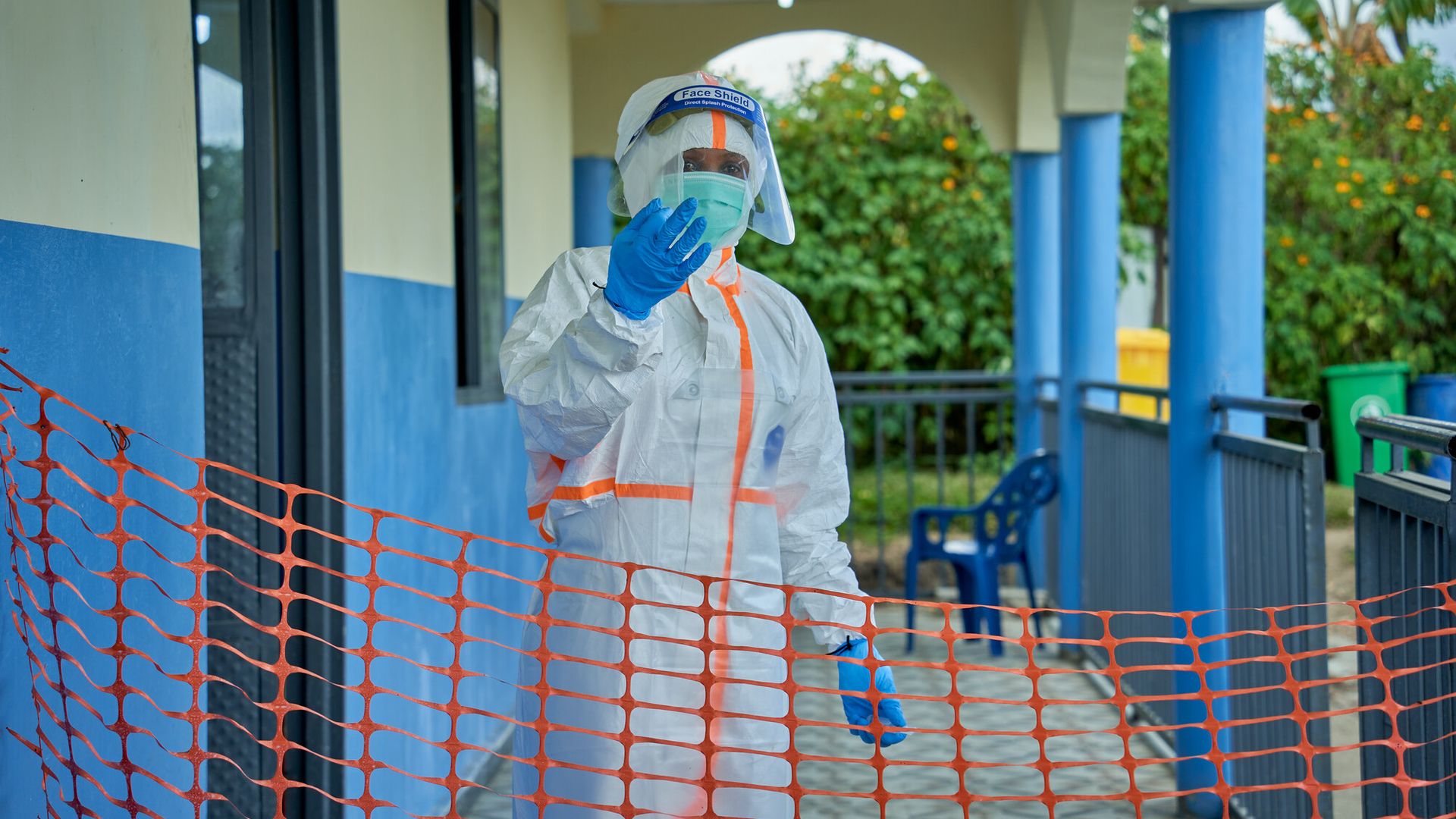
In the epicenter of Ituri province, that defense doesn't exist anymore. New field data from Oxfam reveals a brutal reality in Mongbwalo, a gold-mining hub of 140,000 people at the heart of the crisis. Only 20% of the population has access to clean water. Just 25% have functional sanitation. Frontline health clinics are struggling to dispose of infectious waste, and many workers don't even have basic personal protective equipment.
When clean water costs two dollars for 20 liters in a region plagued by conflict, people can't afford to wash their hands. Miners work without toilets, contract the virus, and bring it home to crowded settlements. It's a perfect environment for a pathogen to move undetected.
Why Your Existing Ebola Tools Don't Work
If you remember the massive 2014 West Africa epidemic or the 2018 outbreak in eastern Congo, you might think we have this handled. We invented vaccines like Ervebo. We created highly effective monoclonal antibody treatments.
Here's the catch. Those tools were built specifically for the Zaire strain of the virus. They're completely useless against the Bundibugyo strain.
The World Health Organization recently convened experts to figure out what to do. Right now, there is zero approved vaccine or therapeutic for Bundibugyo. If you catch it, your care consists of doctors managing your symptoms, keeping you hydrated, and hoping your immune system wins the fight. The two licensed monoclonal antibodies that saved lives a few years ago simply don't bind to this version of the virus. Experimental candidates exist, but their efficacy is totally unproven. We are basically fighting a modern epidemic with mid-20th-century tools.
A Perfect Storm of Conflict and Movement
Containing a highly infectious disease requires tracking down every single person an infected patient touched. Contact tracing is impossible when everyone is running for their lives.
Northeastern Congo has faced decades of brutal fighting between government forces and armed militias. Millions of people are internally displaced. People are constantly on the move, crossing borders into Uganda for trade or safety. Doctors Without Borders teams operating in North Kivu, South Kivu, and Ituri are dealing with a geographic spread that stretches over 1,000 kilometers from Aru down to Miti Murhesa.
The virus is currently active across at least 29 distinct health zones. Because the regional population is highly mobile, cases keep popping up in entirely new areas.
The Threat Heading Into the Rest of the Year
As the outbreak enters its next phase, public health agencies like UNICEF are sounding alarms about a shift in transmission patterns. Early on, the virus mostly hit adults moving through markets and mining sites. Now, it's entering homes.
When a virus settles into households, children become the primary victims. In eastern Congo, a huge portion of the youth population is already malnourished and vulnerable due to the ongoing humanitarian crisis. They don't have the physical resilience to withstand a severe hemorrhagic fever.
The United States has already reacted, implementing strict travel rules. Non-U.S. citizens who have been in the DRC or Uganda within the last 21 days are barred from entry. Citizens returning from the region are being funneled through Washington-Dulles international airport for enhanced health screenings. While the immediate risk to people outside East Africa is low, the regional threat is unprecedented.
To actually stop this thing before it mirrors the devastation of 2014, the response strategy has to shift away from waiting for a magic-bullet vaccine that doesn't exist yet. Aid organizations and local governments must prioritize stabilizing the basic water and sanitation infrastructure in mining towns like Mongbwalo immediately. Without immediate funding to get clean water and protective gear to frontline workers, the official case counts will keep lagging behind a reality that's growing more dangerous by the day.