The United States just dropped a massive economic hammer on Tehran, and it is a move that could reshape global shipping lines overnight.
On Wednesday, the Trump administration slapped heavy financial penalties on a newly minted Iranian government entity called the Persian Gulf Strait Authority. This isn't just another layer of standard bureaucratic red tape. This specific agency was built by Tehran earlier this month with one clear, aggressive goal: to force global maritime traffic to pay exorbitant tolls and submit to total Iranian oversight to pass through the Strait of Hormuz. Read more on a similar issue: this related article.
If you think this is just a far-away political dispute, you are missing the bigger picture. A fifth of the world’s oil and natural gas flows through this narrow waterway. When Iran chokes it, gas prices at your local pump spike. The US penalties aim to cut off the financial oxygen of this new agency before it completely locks down global trade.
The Million Dollar Toll Booth in the Sea
Let's look at what Iran actually tried to pull off here. The Iranian Revolutionary Guard Corps backed the creation of this new authority to claim absolute control over the strait. They set up a designated corridor and declared that any commercial vessel stepping outside of it would face immediate military attack. More reporting by The Washington Post highlights similar perspectives on the subject.
Then came the extortion part. The Persian Gulf Strait Authority started demanding toll fees. We aren't talking about small change. These maritime transit fees could run as high as $2 million per vessel.
Treasury Secretary Scott Bessent didn't hold back when announcing the move, stating that the attempt to extort global trade proves the administration's "Economic Fury" strategy has left the Iranian regime desperate for cash. By sanctioning the agency and anyone doing business with it, Washington is trying to make that Iranian toll booth completely toxic to international shipping firms.
Guns and Balance Sheets
The timing of these economic penalties tells you everything you need to know about how high the stakes are right now. The announcement dropped late Wednesday, right after US military forces launched direct strikes on an Iranian military facility. That strike happened after American defenses downed several Iranian attack drones.
We are seeing a dual-track strategy play out in real-time. The US military is using kinetic force to clear threats, while the Treasury Department uses financial strangulation to bleed the regime's operational budget.
It is a high-pressure environment for President Donald Trump and congressional Republicans, especially with midterm elections looming. The effective closure of the strait since the outbreak of conflicts on February 28 has triggered massive global energy shocks. Voters feel that pain directly in their wallets, which injects domestic political urgency into every single missile strike and sanctions package.
The Blockade vs The Chokehold
Right now, the maritime situation in the Middle East is an absolute mess. To counter Iran's attempts to control the waterway, the US military has maintained a strict naval blockade on Iranian ports for well over a month.
- The American Rule: The US blockade stops and redirects vessels trying to enter or leave Iranian coastal areas, aiming to drain Iran of $500 million in daily trade revenues.
- The Iranian Counter: The Revolutionary Guard threatens or seizes international commercial tankers that refuse to follow their specific transit rules or pay their new authority fees.
This has left international shipping lines stuck in a dangerous middle ground. Do they risk running the US naval blockade line, or do they risk getting attacked by Iranian drones for refusing to pay a $2 million toll to an illegal authority? Many are choosing to avoid the region entirely, sending insurance premiums through the roof and delaying supply chains by weeks.
Are We Close to a Deal
Despite the smoke from recent drone shootdowns and military strikes, both sides are talking. In fact, Washington and Tehran are currently locked in some of the most intense diplomatic negotiations seen in years.
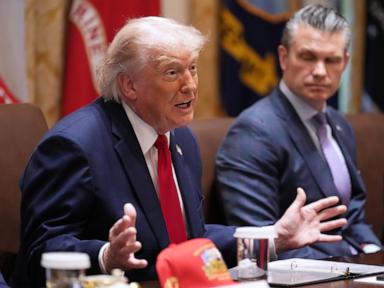
Trump publicly stated during a Cabinet meeting on Wednesday that Iran is currently "negotiating on fumes" and hinted that an agreement to end the war and reopen the waterway might be close. But he also issued a blunt ultimatum, saying that if the current talks don't satisfy US demands, the military will have to "just finish the job."
Expert analysts remain highly skeptical of an instant fix. Even if a comprehensive diplomatic deal is signed tomorrow, shipping data firms warn that it will take several weeks, if not months, for global maritime routes to normalize and for energy prices to cool down.
If you run a business dependent on international logistics or want to protect your portfolio from energy shocks, you need to watch the enforcement of these specific maritime sanctions over the next 72 hours. Check Lloyd’s List or tracking data from firms like Kpler to see if commercial vessels actually refuse to interact with the Persian Gulf Strait Authority. If shipping companies ignore the authority to avoid US penalties, Tehran's primary leverage tool in these intense war negotiations will crumble.