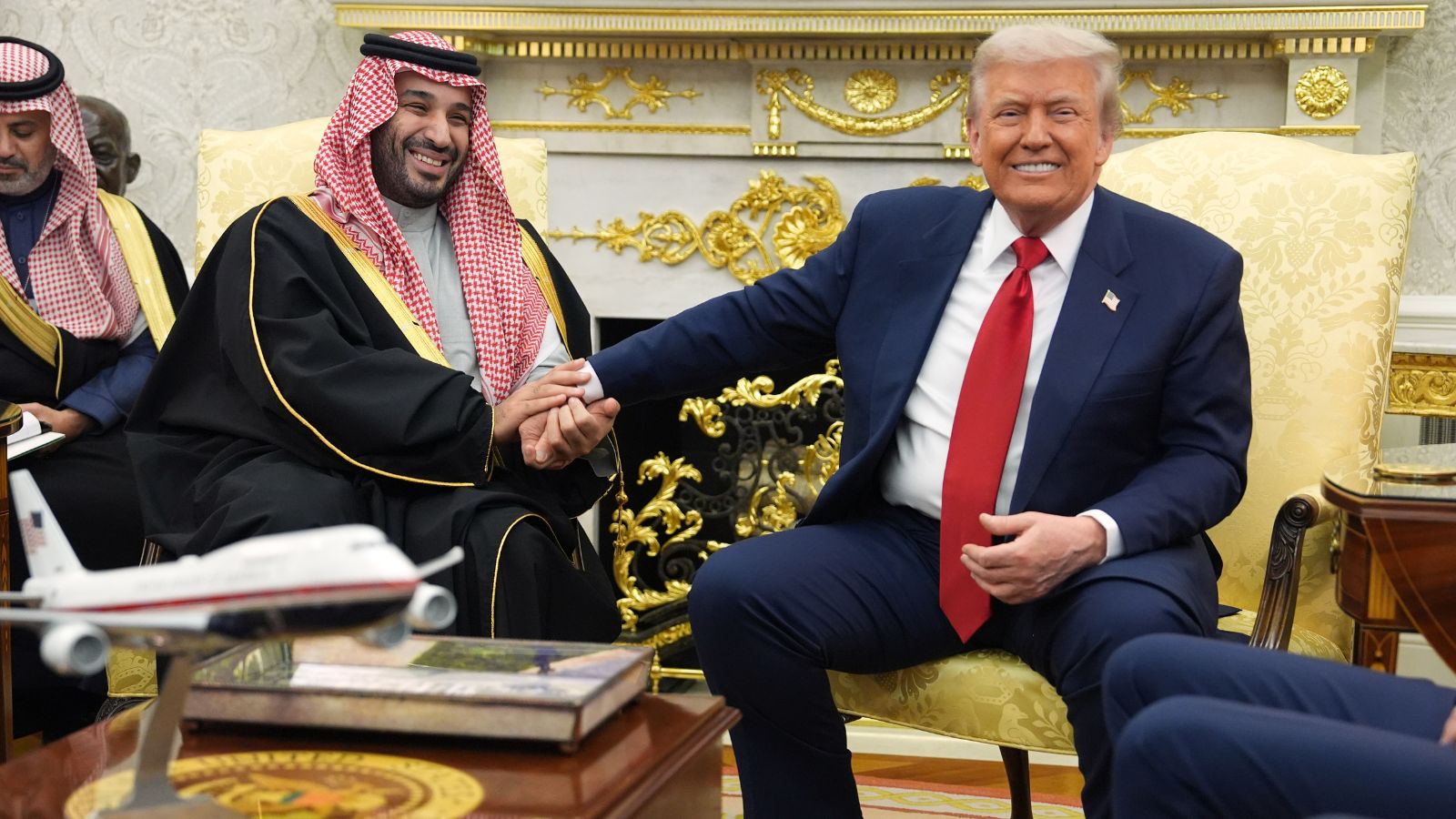
The United States and Saudi Arabia just signed a landmark 30-year civil nuclear cooperation agreement. It opens a clear path for domestic uranium enrichment on Saudi soil.
US Energy Secretary Chris Wright and Saudi Energy Minister Prince Abdulaziz bin Salman signed the Section 123 deal along with a bilateral safeguards agreement. That single signature shifts decades of American non-proliferation strategy. For years, Washington pushed the "gold standard" set by the United Arab Emirates, where countries agreed to build reactors without enriching their own fuel. Now, that standard is out the window.
Why did Washington make this choice? Because Riyadh made it clear that if American firms like Westinghouse didn't build their reactors, companies from Beijing or Moscow would.
Here's the breakdown of what this historic deal actually means, why it happened right now, and what comes next.
The Reality Behind Domestic Enrichment
Under the new framework, the two countries will conduct a joint two-year study to evaluate constructing an enrichment plant inside Saudi Arabia. Proponents claim any eventual facility will be run by American contractors using proprietary tech that local engineers can't copy.
Uranium enriched to low levels (about 3% to 5%) powers commercial reactors. Spin those centrifuges longer to reach 90% purity, and you have weapons-grade material.
Crown Prince Mohammed bin Salman previously stated that if Iran develops a nuclear warhead, Saudi Arabia will follow suit immediately. Crossing the technical hurdle of on-site enrichment brings the kingdom within striking distance of that capability, even if military intent isn't present today.
Enrichment Levels at a Glance:
- 3% - 5%: Civilian power plant fuel
- 20%: Medical isotopes and research reactors
- 90%+: Weapons-grade material
Why Washington Broke Its Own Gold Standard
For over a decade, non-proliferation experts held up the 2009 US-UAE accord as the benchmark for nuclear diplomacy. Abu Dhabi promised never to enrich fuel domestically in exchange for American technology.
That approach failed with Riyadh. Crown Prince Mohammed bin Salman refused to sign any agreement that surrendered sovereign rights over domestic uranium deposits.
US officials faced two choices:
- Refuse enrichment terms. Watch Saudi Arabia build nuclear infrastructure using Chinese or Russian suppliers.
- Concede on enrichment. Lock in American hardware, secure 30-year operational oversight, and generate billions for US energy firms.
The Trump administration chose option two. In a report submitted to Capitol Hill, executive officials argued that standing firm on absolute enrichment bans would cause the US to lose global nuclear leadership for decades.
Broader Regional Fallout and War with Iran
The timing of this announcement creates serious geopolitical friction. Washington signed this agreement while engaged in active conflict with Iran, a war driven partly by attempts to dismantle Tehran's domestic enrichment programs.
Allowing Riyadh a path toward domestic enrichment while demanding Tehran dismantle its centrifuges sends mixed messages. Regional critics argue this double standard undermines long-term diplomatic leverage.
Reactions across the region came quickly:
- Israel: Political leaders voiced deep alarm, warning that placing enrichment infrastructure in Saudi Arabia risks triggering an uncontrollable regional armaments race.
- Iran: Officials view the deal as proof that Washington's non-proliferation demands are driven by geopolitical alliances rather than consistent international rules.
- Pakistan: Defence officials recently signaled that their own military assets would back Saudi security if regional threats escalate.
Practical Next Steps to Watch
The deal isn't fully operational yet. Key hurdles remain over the next 90 days:
- Congressional Review Period: Lawmakers have 90 legislative days to review the text. Expect fierce bipartisan debate over missing IAEA Additional Protocol oversight measures.
- Feasibility Study: The two-year joint technical study will determine where fuel facilities should sit and how strict corporate access controls will work.
- Vendor Contracts: Keep an eye on commercial agreements involving Pittsburgh-based Westinghouse as they bid to construct the kingdom's first commercial power reactors.
Track the Congressional Record over the coming weeks for joint resolutions of disapproval. While a presidential veto makes blocking the deal unlikely, those debates will reveal the final safeguard concessions required before ground breaks on Saudi soil.