For decades, New Zealand’s biosecurity strategy relied on a simple geographical reality. The country is isolated by thousands of miles of rough ocean. This massive water barrier acted as a natural shield against the world's worst ecological disasters.
That shield just shattered.
The confirmation of highly pathogenic H5N1 avian influenza on New Zealand soil marks a grim turning point for global biodiversity. Biosecurity officials recently detected the virus in wild bird populations, triggering an emergency response that conservationists hoped they would never have to execute.
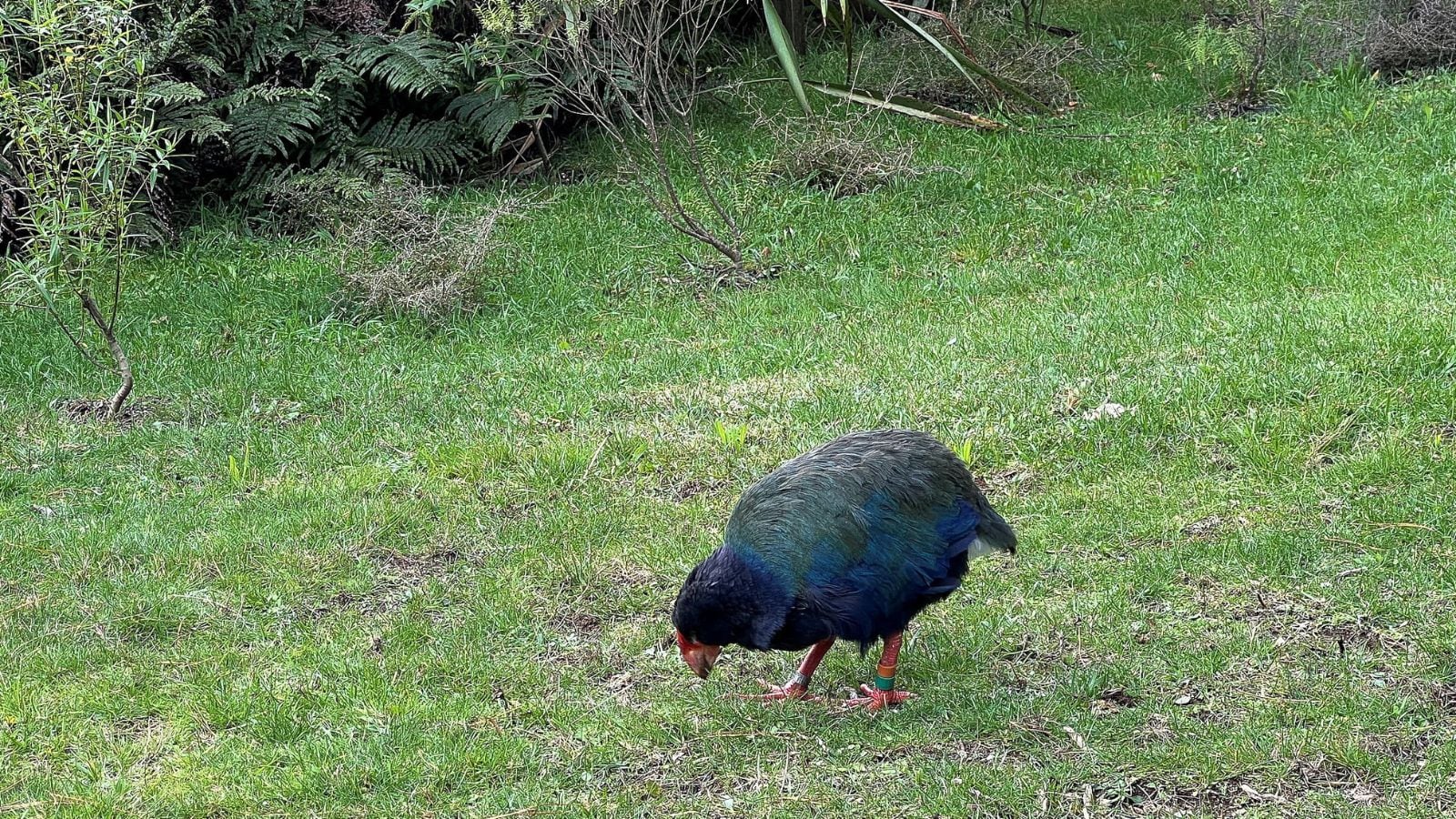
The immediate reaction has been swift. Wildlife authorities launched an unprecedented campaign to vaccinate the country’s most endangered species, including the kakapo—a flightless, nocturnal parrot with a global population hovering around just 200 individuals.
But vaccination is a desperate, short-term tactic. The arrival of H5N1 represents a fundamental failure of global containment and exposes the extreme vulnerability of island ecosystems that evolved in total isolation.
The Long March to the Edge of the World
To understand why this detection is causing panic in Wellington, one must understand the unique nature of New Zealand's fauna. Before human arrival, the islands had no native terrestrial mammals. Birds filled every ecological niche.
Bats crawled on the forest floor. Giant, flightless moa grazed like deer.
Because these species evolved without mammalian predators or exposure to common continental pathogens, their immune systems are evolutionary time capsules. They lack the resilience built up by northern hemisphere birds that regularly mix with diverse viral reservoirs.
H5N1 has spent the last few years tearing through South America and Antarctica, wiping out millions of seabirds and marine mammals. Biologists watched the southward march with growing dread. The virus did not arrive via commercial trade or human negligence. It rode in on the wings of migratory shorebirds and seabirds—specifically species like the bar-tailed godwit or red knot, which travel thousands of miles along the East Asian-Australasian Flyway.
Controlling wild migration is impossible. You cannot quarantine the sky.
The Logistics of a Desperate Intervention
The plan to vaccinate endangered birds sounds noble on paper. In practice, it is a logistical nightmare that pushes the boundaries of conservation medicine.
The current strategy focuses on high-value, critically endangered species managed on offshore predator-free sanctuaries. These include the kakapo, the takahe, and the black stilt (kaki).
Unlike domestic poultry, where mass vaccination involves automated sprays or water additives, endangered wildlife requires individual handling. Each bird must be captured, assessed, injected, and monitored for adverse reactions.
Consider the practical hurdles:
- Capture stress: For a fragile species like the kakapo, the stress of human handling can sometimes be as dangerous as the disease itself.
- Booster requirements: Most avian influenza vaccines require a primary dose followed by a booster weeks later to achieve meaningful immunity. Finding the same wild bird twice in dense, rugged bushland requires immense manpower.
- Unproven efficacy: The vaccines being deployed were designed primarily for poultry, not ancient lineages of flightless parrots. Wildlife veterinarians are working with limited data on how these birds will metabolize the vaccine or what level of antibodies they will produce.
This is not a cure. It is an expensive, high-risk gamble to buy time.
The Unspoken Threat to the Economy
While the ecological tragedy dominates the headlines, an underlying economic crisis is quietly developing. New Zealand's agricultural sector is a pillar of the national economy, particularly its poultry and egg industries.
A widespread outbreak of H5N1 could devastate commercial farms. The standard global protocol for bird flu in commercial flocks is draconian: detection equals total depopulation. Millions of birds could be culled to protect the wider industry, leading to massive supply chain disruptions and skyrocketing food prices.
Furthermore, export markets could shut their doors. New Zealand prides itself on its premium, clean agricultural exports. If the virus jumps from wild birds into commercial turkey or chicken facilities, international trade partners may impose strict import bans to protect their own industries. The economic fallout would ripple far beyond the conservation sector, affecting everything from rural employment to national GDP figures.
The Problem with Strained Resources
The Ministry for Primary Industries (MPI) and the Department of Conservation (DOC) are already operating under tight fiscal constraints. Funding a massive, ongoing biosecurity intervention requires shifting resources away from other critical threats.
New Zealand is already fighting a costly war against introduced predators like stoats, rats, and possums. If field rangers are reassigned to track down wild birds for virus testing and vaccination runs, the frontline defenses against mammalian predators will inevitably weaken.
We are witnessing a triage scenario where saving a species from a virus might mean abandoning its habitat to predators.
A Flawed Global Framework
The arrival of H5N1 in New Zealand is a symptom of a broader international failure. The global community treats avian influenza as a recurring agricultural nuisance rather than a permanent, mutating ecological threat.
For years, northern hemisphere nations managed bird flu by culling millions of domestic birds and moving on. This strategy ignored the virus’s growing ability to establish permanent reservoirs in wild migratory populations. Because the global response focused on protecting commercial poultry assets rather than eradicating the viral load in the wild, the virus mutated into a highly stable, highly virulent form capable of crossing vast oceanic barriers.
Islands like New Zealand are paying the price for this short-sightedness.
The Reality of the New Normal
Conservationists must now accept that the old paradigm of isolation is dead. Eradication of H5N1 in the wild is an impossibility. The virus is now part of the global ecosystem, and New Zealand’s birds will have to live with it—or die from it.
The long-term survival of these unique species will not depend on endless vaccination campaigns. It will depend on genetic resilience, habitat diversification, and perhaps a harsh process of natural selection that many species may not survive.
The moat has failed, and the ghosts of New Zealand's evolutionary past are now entirely exposed to the modern world's realities.
:max_bytes(150000):strip_icc():focal(749x0:751x2)/auschwitz-2-691cb034ee9e43cfa45a0969012c6337.jpg)