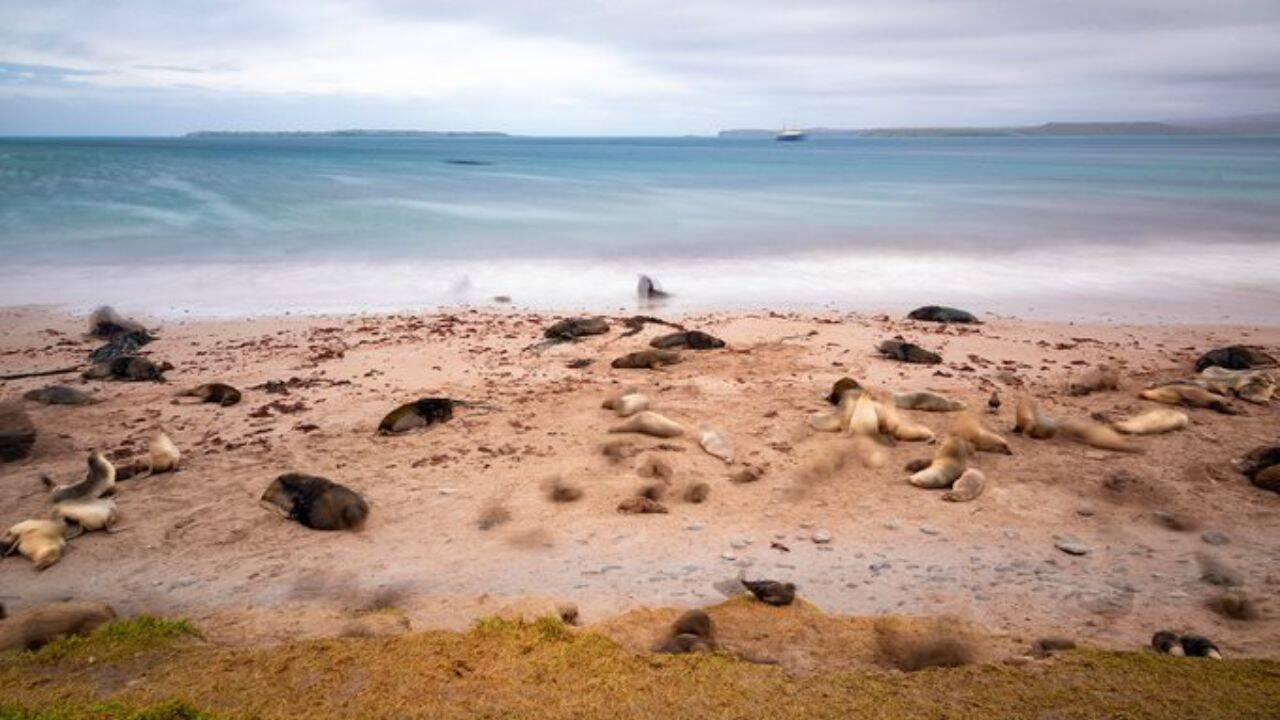
Islands evolved in total silence. Without land-based mammals, birds forgot how to run away, nesting right on the ground and losing the power of flight. Then humans brought rats, cats, and pigs. A paradise became a slaughterhouse overnight.
Now, New Zealand is betting a massive NZ$ 202 million on a mega-operation to turn the tide. This isn't just another local conservation project. It is an industrial-scale ecological reset targeting three massive landmasses: Maukahuka (Auckland Island), Rakiura (Stewart Island), and the Chatham archipelago.
Most people don't realize just how huge this undertaking is. Each of these targeted islands is four to fifteen times larger than any area New Zealand has successfully cleared of pests before. Clearing a tiny offshore rock is one thing. Eradicating predators from thousands of hectares of rugged, unforgiving terrain is entirely different.
The Brutal Math of Invasive Mammals
For millions of years, New Zealand's isolation kept its unique wildlife safe. When foreign mammals arrived, they didn't just compete with native species—they treated them like an open buffet.
Maukahuka hosts more than 100 endemic species found nowhere else on Earth, yet mice, pigs, and feral cats run rampant across its landscape. Over on Rakiura, the country's third-largest island, feral cats, rats, possums, and hedgehogs dominate. In the Chatham Islands, the battle centers on eliminating possums and feral cats to protect critical seabird habitats.
When you introduce predators to ground-nesting birds, the decline is fast and absolute. Chicks become easy meals. Eggs vanish before they hatch. Without massive intervention, these ecosystems slide straight toward permanent collapse.
Indigenous Leadership at the Core
You can't talk about this initiative without looking at who is actually driving it. This isn't just a top-down government mandate.
The Department of Conservation is working hand-in-hand with local indigenous organizations. Rakiura and Maukahuka sit squarely within the traditional territory of Ngai Tahu, where local Māori act as kaitiaki or guardians of the land. In the Chathams, the Hokotehi Moriori Trust and Ngati Mutunga o Wharekauri share leadership roles.
Local stewardship changes everything. Conservation works best when the people whose ancestors lived alongside these landscapes are steering the ship. They bring historical context and a long-term commitment that short-term government policies often lack.
The Ripple Effect on Marine Life
Clearing land pests does more than save birds. It triggers a massive chain reaction across the entire coastal ecosystem.
When islands get rid of invasive mammals, seabird populations roar back to life. Millions of seabirds mean millions of pounds of guano. This nutrient-rich waste fertilizes the soil, and heavy rains wash those nutrients straight down into the coastal waters.
Data from conservation groups show that predator-free island regions can support up to 50 percent more fish biomass. Their coral and kelp ecosystems recover up to four times faster after severe environmental stress like marine heatwaves. Killing rats on a mountain ridge helps fish thrive in the ocean miles away.
The Road to 2050
New Zealand already has a history of 110 successful island pest eradications under its belt. They've already cleaned up about two-thirds of their smaller offshore islands. This accumulated experience gave authorities the confidence to tackle giants like Rakiura and Maukahuka.
The ultimate target is the ambitious Predator Free 2050 initiative, which aims to rid the entire country of introduced mammalian predators. With NZ$ 54 million already secured from the government out of the total NZ$ 202 million price tag, the financial hurdle remains steep, requiring heavy private and public funding mobilization.
If this mega-operation succeeds, it will rewrite the playbook for global conservation. Saving species on the edge requires more than just hoping for the best. It takes heavy funding, radical ambition, and an absolute refusal to let native ecosystems fade away quietly.