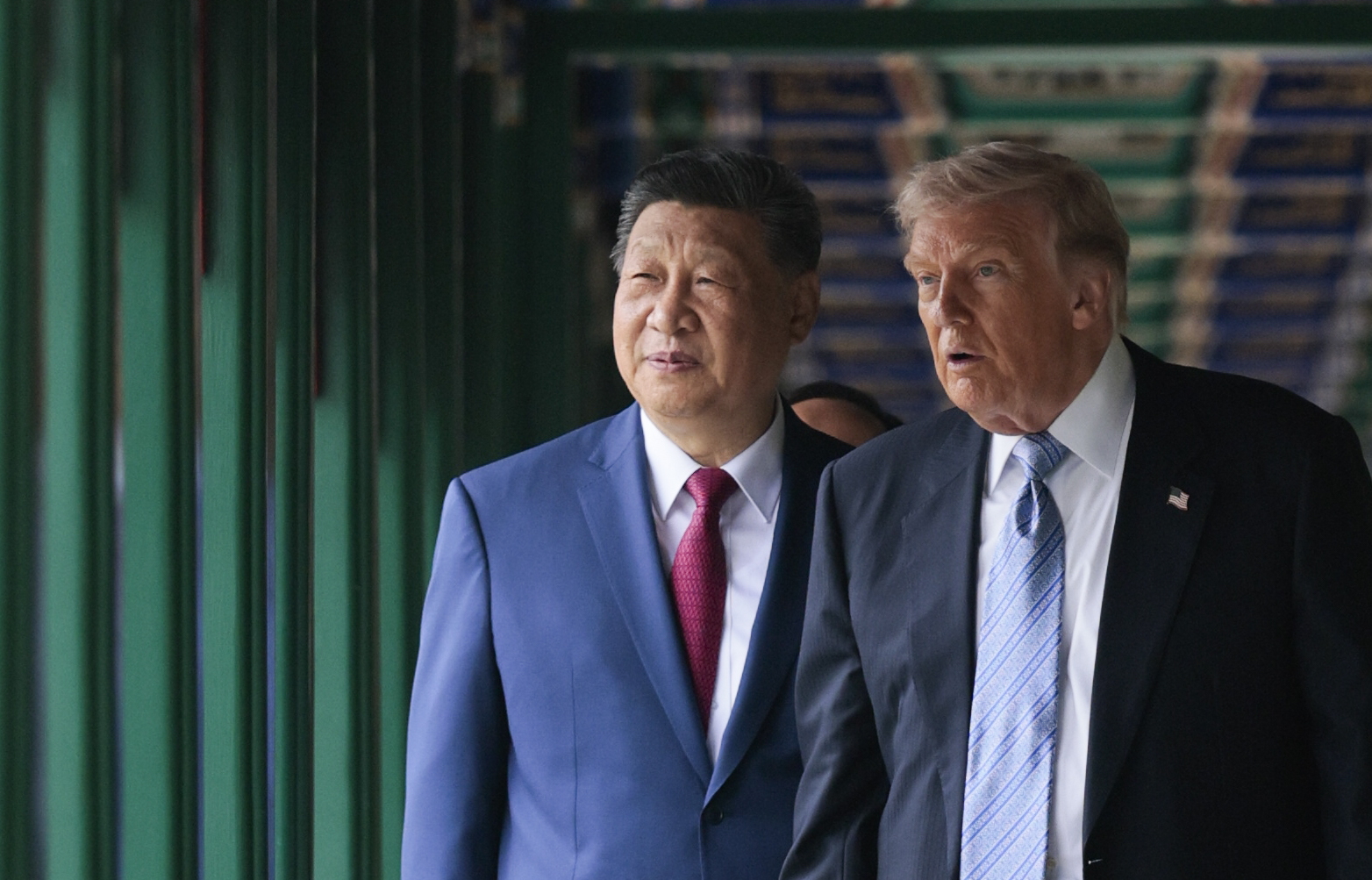
High-stakes diplomacy rarely looks clean from the outside. When world leaders prepare to sit down across a massive mahogany table, the public usually sees the handshakes, the solemn photo ops, and the vague press releases about shared goals. But behind closed doors, a China US summit is a logistical nightmare wrapped in geopolitical tension.
You hear about trade tariffs, Taiwan security, and tech restrictions on the news every single night. Yet, nobody talks about the terrifying amount of operational friction it takes just to get these two delegations into the same room without a diplomatic incident.
Let's break down what's actually happening behind the scenes, why the upcoming talks carry so much weight, and what most mainstream reports completely miss about how modern superpowers negotiate.
The Logistics Behind The Handshake
Before a single word about global trade leaves a president's mouth, months of brutal planning have already happened. Security teams argue over airspace clearance. Advance staff bicker over motorcade routes. Protocol officers spend weeks debating where each leader sits to avoid any accidental optics of subordination.
When you have delegations representing the two largest economies on Earth, even a coffee break becomes a security vector.
Backroom negotiations usually start months in advance through backchannels and ambassadorial visits. Both sides play a game of chicken over the agenda. Beijing wants assurances on domestic sovereignty and tech access. Washington wants concessions on manufacturing overcapacity and intellectual property enforcement. Neither side wants to look weak by blinking first.
If you are watching these summits expecting a sudden peace treaty or a magical reversal of decades of strategic competition, you are missing the point entirely. These meetings aren't about solving deep structural conflicts. They are about setting guardrails so competition doesn't accidentally slide into a hot war.
What Most Analysts Get Wrong About Beijing And Washington
Every time a summit approaches, cable news pundits dust off the same tired playbook. They talk about turning points, historic breakthroughs, and sudden thaw periods.
That is pure fiction.
The structural rivalry between the United States and China is baked into the 21st century. It's structural. It's technological. It's ideological. Trade deficits and semiconductor bans aren't misunderstandings that a three-hour dinner can clear up. They are calculated policies driven by domestic political survival in both capitals.
When leaders meet, they aren't trying to become best friends. They are managing a cold war with modern characteristics.
Consider the semiconductor restrictions. The US Department of Commerce didn't place heavy export controls on advanced AI chips just to trade them away for a minor agricultural purchase. Beijing didn't spend decades building indigenous supply chains just to abandon them because of diplomatic pressure.
Both governments are locked in a marathon for technological supremacy. A summit is simply a pit stop to check tire pressure and make sure nobody is about to drive off a cliff.
The Real Agenda Items Nobody Is Talking About
While the press corps obsesses over public statements, the real work happens in smoke-free, highly classified breakout sessions.
Military Communication Channels
The single biggest priority for Washington isn't trade volume. It's crisis communication. When fighter jets intercept each other over the South China Sea or naval destroyers pass close to Taiwan, a missed radio call can trigger a catastrophe. Re-establishing direct military-to-military hotlines is always the unspoken top item on the checklist.
Economic Stabilisation
China faces massive domestic headwinds, from property sector debt to youth unemployment. The US is trying to navigate a soft landing while keeping inflation under control and protecting domestic manufacturing jobs. Both sides have a vested interest in ensuring neither economy suffers a sudden, catastrophic shock that could drag down global markets.
Third-Party Flashpoints
Regional conflicts in the Middle East and Eastern Europe cast long shadows over every bilateral meeting. Washington wants Beijing to use its leverage with nations like Iran and Russia. Beijing wants the US to handle its foreign policy commitments without destabilizing global supply chains further.
How To Read Between The Lines Of The Final Communique
When the summit wraps up, ignore the cheerful photos and focus on the joint statements—or the lack thereof.
If both sides issue separate statements, it means they couldn't agree on a common narrative. That isn't a failure; it's reality. It means the friction is too raw to mask with diplomatic pleasantries. If they manage a joint statement, look at the specific phrasing. Vague commitments mean kicking the can down the road. Concrete timelines mean real horse-trading took place behind closed doors.
Pay attention to what isn't said. If Taiwan isn't mentioned, it was likely a bloodbath in the private rooms. If tech sanctions aren't brought up publicly, it means the issue is too radioactive for a press conference.
Stop looking for fairy tales in superpower politics. Keep your eyes on the security protocols, the supply chain realignments, and the quiet establishment of emergency communication lines. That is where the real story lives.


