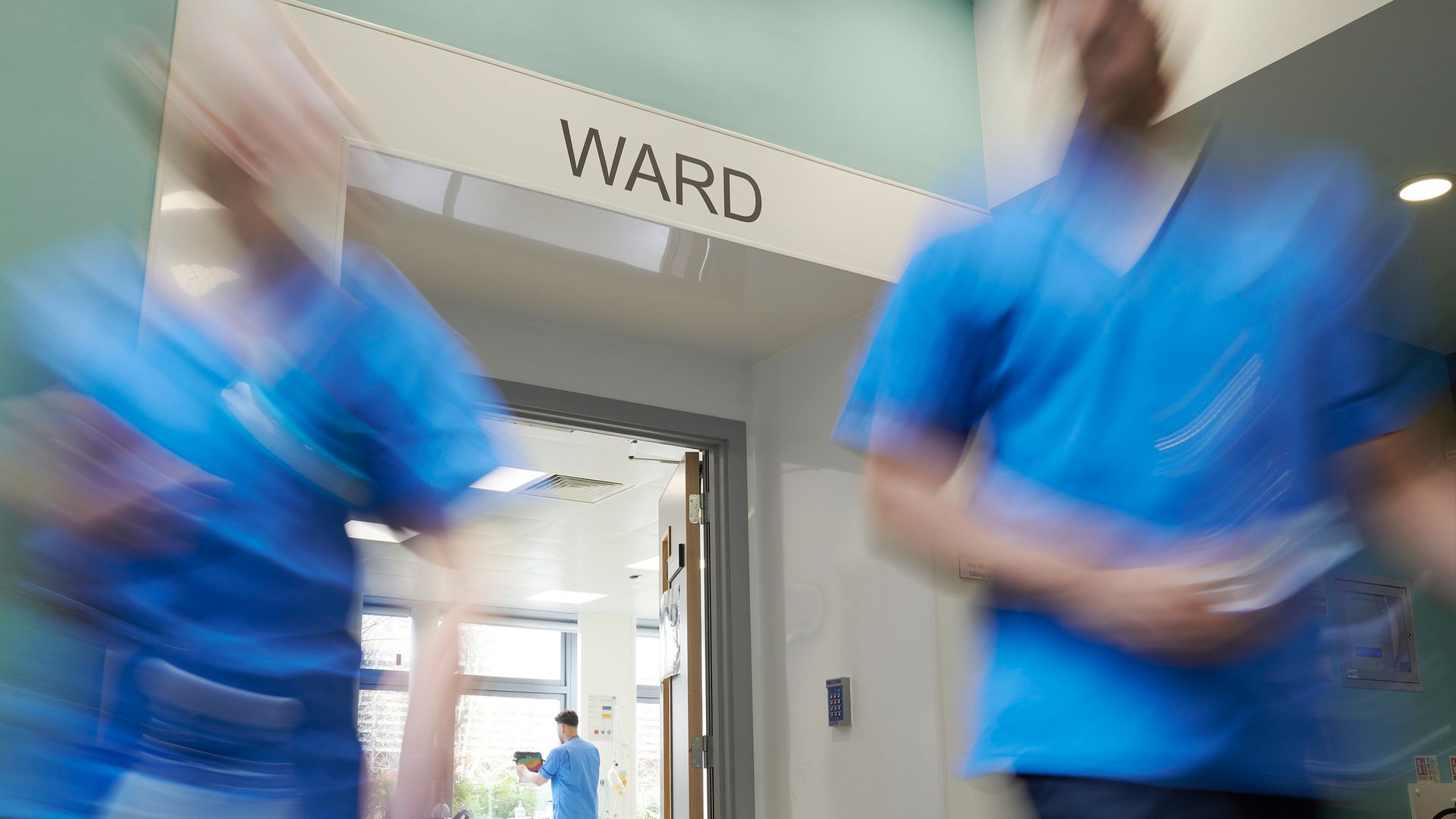
Every year, it is the same script. The temperature drops, the flu and respiratory viruses start circulating, and the National Health Service finds itself buckling under pressure. But the reality right now is much worse than usual. We are seeing ominous signs of severe winter pressures long before the cold weather has even settled in, and the NHS waiting list is once again creeping upward.
If you have ever sat in a crowded emergency department or waited months for routine surgery, you know these numbers are not just abstract data points on a spreadsheet. They represent real people in pain, canceled operations, and exhausted clinicians trying to hold a fragmented system together. Don't miss our recent coverage on this related article.
The Reality Behind the Rising Backlog
Let’s look at what is actually happening on the ground. Recent figures show that the referral-to-treatment waiting list has hit over 7.3 million. That number alone is staggering, but the context makes it even more alarming. Hospitals are recording thousands of instances of corridor care every single day. Patients are being treated in makeshift areas, waiting on trolleys in hallways because physical bed capacity simply does not exist.
When over 3,500 people a day receive care in hospital corridors, the system isn't just strained—it's running on fumes. If you want more about the history of this, World Health Organization provides an excellent summary.
Why does this happen year after year? It is easy to blame winter bugs alone, but the root causes run much deeper.
The Social Care Bottleneck
The biggest myth in healthcare reporting is that hospitals are overwhelmed solely because too many people walk through the front doors of A&E. In reality, a massive portion of the crisis happens at the other end of the hospital experience.
Patients who are medically fit to leave are routinely stuck in hospital beds for days or weeks. Why? Because the local social care infrastructure is broken. There are not enough residential placements, community care packages, or social workers available to safely discharge vulnerable elderly patients.
When a discharge is delayed by a week, it creates a domino effect. That single bed cannot be used by someone waiting for emergency admission. That emergency patient then sits in the back of an ambulance outside, or on a trolley inside a corridor. It is a systemic traffic jam, and until policymakers fix social care, hospital waiting lists will never genuinely recover.
What This Means for Patients Right Now
If you or a family member are navigating the health service this season, you need a realistic strategy. The traditional pathways are slower and more congested than ever.
- Manage non-urgent issues locally: Use NHS 111 online for immediate guidance rather than rushing straight to overbooked emergency departments for minor ailments.
- Keep your appointments: Unless you are explicitly told your procedure is postponed, show up. Do not assume everything is canceled just because the news paints a grim picture.
- Lean on primary care and pharmacies: Community pharmacists can now prescribe treatments for many common conditions without requiring a GP visit, saving you valuable time.
The pressure on the NHS isn't going to vanish overnight. Recognizing the reality of the system helps you navigate it smarter and protect your own health when resources are stretched to their absolute limit.