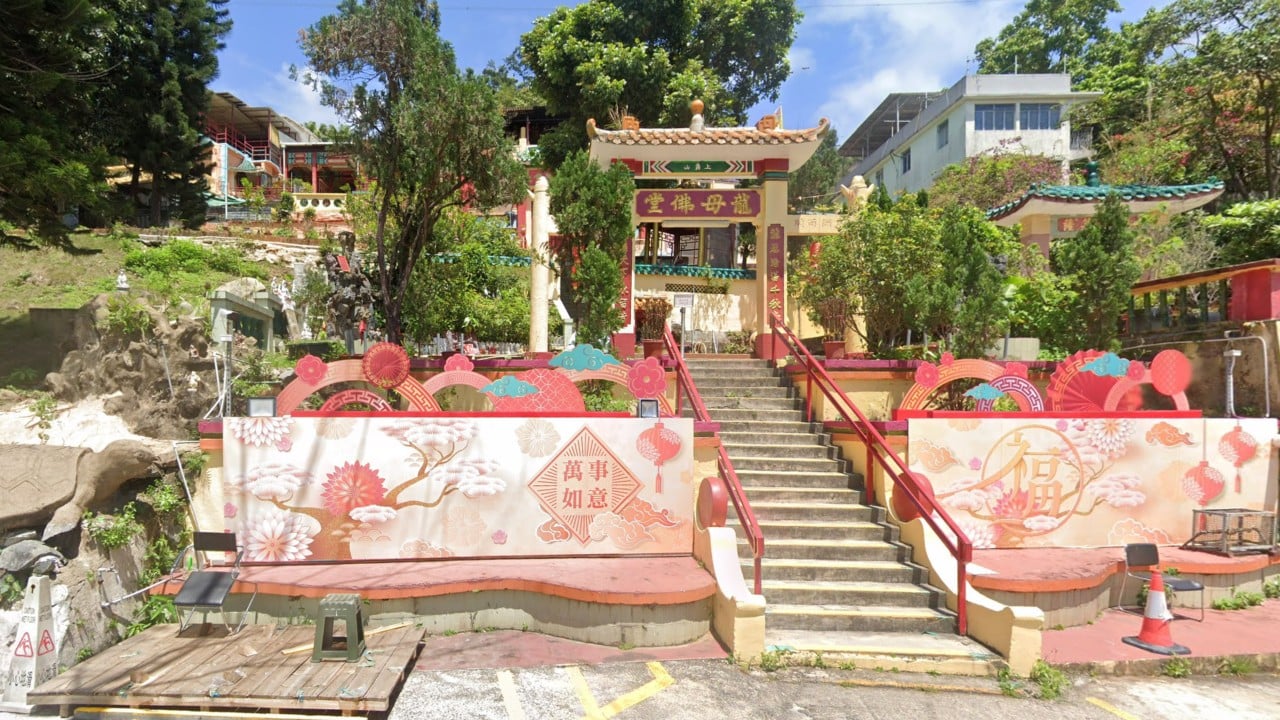
Incense smoke usually hangs low in a Hong Kong temple, smelling of aged sandalwood and quiet prayers. On one particular night, however, that familiar haze was pierced by something entirely unexpected. A heavy quiet. The kind of silence that arrives only after a sacred boundary has been crossed, when gold leaf is scraped from wood and an ancient deity vanishes from his pedestal.
News broke soon after that a Buddhist monk had been remanded in custody, accused of the unthinkable. The theft of a Monkey King statue.
To anyone walking past the neon-lit concrete of the city from the outside, it sounds like an absurd headline. A deity stolen by his own custodian. A bronze or wooden figure lifted from an altar like a trinket from a souvenir stall. But if you have ever stood in the incense-thick gloom of a local sanctuary, watching an elderly woman whisper her worries to a statue of Sun Wukong, you know the truth. This is not just about property. This is about a rupture in the cosmos.
Sun Wukong is no ordinary figure of myth. He is the Great Sage Equal to Heaven. Born from a stone egg, he mastered seventy-two earthly transformations, defied the Jade Emperor, and wreaked havoc across the celestial realms before finding redemption through the journey to the West. He represents defiance, wit, protection, and the indomitable spark of freedom. To believers, a statue of the Monkey King is not a lifeless decoration. It is a vessel. A focal point where the divine meets the dust of the mortal world.
When a protector of the temple becomes the thief of the protector, the betrayal cuts deeper than any ordinary burglary.
Consider what happens next in a city like Hong Kong, where ancient traditions press directly against hyper-modern police investigations. The authorities moved quickly. The statue was reported missing, an arrest was made, and the legal machinery whirred into motion. A court hearing followed. A remand order was issued. Cold procedural language filled the courtroom transcripts. Words like jurisdiction, custody, and alleged offense stripped away the mythos, reducing a sacred icon to a piece of stolen property with an estimated market value.
Yet, the legal documents missed the emotional core entirely.
(Note: While the exact financial valuation and the precise internal politics of the temple remain filtered through police reports, the human reality of a community losing its spiritual anchor is a documented phenomenon in neighborhoods where heritage and faith intertwine.)
Let us step inside a hypothetical morning at the temple to understand the invisible stakes. Imagine an elderly shopkeeper named Uncle Chan. For forty years, Chan has stopped by the temple before opening his shutter doors. He does not ask for wealth. He asks for steady hands, health, and a bit of the Monkey King's legendary cleverness to navigate the rising rents and shifting fortunes of the district.
When Chan walks up the worn stone steps and finds an empty space where the golden-armored figure used to sit, the air leaves his lungs. The altar looks bare, almost skeletal. The candlelight flickers against empty wood. It feels as though a pillar of the neighborhood has simply dissolved overnight.
That is the hidden cost of cultural theft. It is not just about the antique market, or the potential payout from a private collector willing to harbor contraband in the dark. It is about the sudden, terrifying vacuum left in the spiritual geography of ordinary people.
Throughout history, sacred objects have been magnets for both devotion and greed. During times of chaos, temples have often been the first to suffer. But the modern twist, where a religious insider is implicated in the disappearance of the venerated figure, speaks to a different kind of fracture. It points to a world under immense pressure, where the sacred and the profane blur together under the weight of financial desperation or modern cynicism.
The legal system will do its work. Lawyers will argue, judges will weigh the evidence, and eventually, a sentence will be handed down. The stolen statue may even find its way back to the altar, polished and re-secured behind reinforced glass, forever altered by its brief, violent separation from the sanctuary.
Glass changes things. Once you put a deity behind glass, you turn a living relationship into a museum exhibit. You turn a companion of the hopeless into a relic of the past.
The true tragedy of the missing Monkey King is not just that a statue was taken. It is that the invisible bridge of trust between the temple keeper and the faithful was burned down to ash.
As the incense smoke curls upward once more in the quiet halls of the city, the faithful return. They light their joss sticks. They bow to the empty space, or to the newly restored altar, hoping against hope that the magic, the mischief, and the protection of the Great Sage survived the journey through the dark.