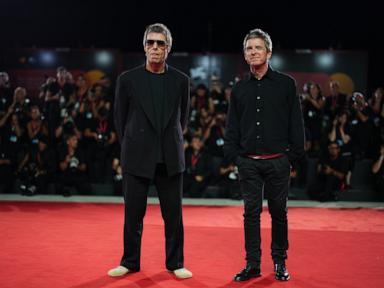
The red carpet rolled out, the camera flashes popped, and the predictable wave of political praise followed right on cue. Financial Secretary Paul Chan stood before the microphones at the local premiere of Hong Kong’s latest big-budget historical epic, showering it with accolades. The official narrative was instantly set: this blockbuster film is a triumph for the Teochew community, a massive win for cultural preservation, and a shining example of how to keep local heritage alive.
It is a beautiful story. It is also entirely wrong.
We are witnessing a dangerous trend where surface-level nostalgia is confused with actual cultural survival. When a government official praises a massive commercial film for saving a culture, they are celebrating the embalming of a tradition, not its life. The lazy consensus in media coverage insists that putting a minority community on a massive silver screen automatically protects its legacy. The reality is far more cynical. Blockbuster cinema does not preserve culture. It sanitizes it, commercializes it, and reduces complex, living histories into easily digestible caricatures for mass consumption.
The Blockbuster Distortion Field
Let’s dismantle the premise that a high-grossing movie is a net positive for a distinct cultural group like the Teochew diaspora. Having spent nearly two decades analyzing media economics and cultural policy, I have watched this cycle play out globally. A studio invests tens of millions of dollars. To recoup that investment, the film cannot appeal merely to the specific community it depicts. It must appeal to everyone.
To achieve mass appeal, specificity is the first casualty.
[Authentic, Niche Culture] ➡️ [Studio Executive Filter] ➡️ [Homogenized Mass Product]
When you dilute a culture's unique linguistic nuances, distinct social hierarchies, and specific historical traumas to fit a standard three-act Hollywood-style structure, you are no longer preserving culture. You are manufacturing a product.
Consider what happens to language in these local blockbusters. The Teochew dialect is rich, distinct, and carries a unique worldview. Yet, in major theatrical releases aimed at maximizing box office returns across broader Cantonese or Mandarin-speaking markets, the authentic dialect is almost always relegated to a few token catchphrases. The rest of the dialogue is smoothed out into standard regional dialects to avoid alienating mainstream audiences.
When a culture loses its linguistic specificity on screen, it loses its soul. What is left is a costume drama wearing the skin of heritage.
The False Economy of Political Praise
When public figures like Paul Chan champion these films, it creates a convenient smoke screen. It allows institutions to check the box for "supporting local culture" without funding the grueling, unglamorous work required to actually sustain a community.
True cultural preservation does not happen in a crowded cinema over two hours while eating popcorn. It happens through:
- Sustained funding for grassroots community centers.
- Documenting oral histories from aging tradition-bearers before they pass away.
- Integrating regional languages and histories into formal school curriculums.
- Providing direct financial subsidies to local artisans and historians.
A blockbuster film requires none of this systemic support. It is a flash in the pan. The movie enjoys a three-week theatrical run, the box office numbers are touted in press releases, politicians score easy PR points for being patron saints of the arts, and then the circus leaves town. Meanwhile, the actual institutions fighting to keep Teochew heritage alive in the real world continue to face budget cuts and administrative neglect.
We are trading structural support for cultural tourism.
Dismantling the Representation Myth
The most common defense of these cinematic spectacles is the representation argument. "At least people are seeing us on screen," the argument goes.
This is a flawed premise that mistakes visibility for validation. When a minority community is represented only when they are part of a massive, romanticized historical epic, it traps that community in the past. It perpetuates the idea that the Teochew community—or any distinct regional group—only possesses value when wrapped in the aesthetic of 1950s nostalgia or martial arts mythos.
It completely ignores the contemporary reality of the community. Where are the films exploring the modern identity crises of third-generation Teochew youths in a hyper-globalized city? Where are the stories tackling the economic realities of preserving traditional family businesses in the face of skyrocketing commercial rents?
Those stories don't get made because they don't feature explosive action set-pieces or easy nostalgia that can be packaged into a three-minute trailer. By over-indexing on historical blockbusters, the industry tells audiences that a culture's only worth lies in its history, effectively declaring its present-day existence irrelevant.
The Dark Side of Commercial Heritage
There is a financial downside to this cinematic spotlight that nobody in the industry wants to admit. When a specific neighborhood, traditional festival, or cultural practice goes viral because of a blockbuster movie, it triggers a wave of superficial commercialization.
Imagine a scenario where a historic district known for traditional Teochew crafts is featured prominently in a hit film.
- The Influx: Thousands of casual tourists flood the area looking for the exact photo spots seen on screen.
- The Shift: Local landlords immediately realize they can make more money renting spaces to trendy cafes and souvenir shops rather than traditional artisans.
- The Displacement: The very craftsmen who kept the culture alive for decades are priced out of their own neighborhoods.
This isn't a hypothetical theory. We have seen this exact gentrification blueprint ruin cultural enclaves from Europe to Southeast Asia. The film creates a hyper-commodified version of a culture, which then returns to the real world to crush the authentic, fragile ecosystem that inspired it in the first place.
Stop Applauding the Eulogy
If we actually care about preserving the diverse tapestry of local heritages, we must stop treating commercial blockbusters as cultural lifelines. They are not lifelines; they are beautifully produced obituaries. They capture a highly stylized version of a culture at a fixed point in time, freeze-dry it, and sell it back to us at a premium.
If a government official wants to praise something, let them praise a policy that protects traditional spaces from aggressive real estate development. Let them praise tax incentives for businesses that operate in regional dialects. Let them praise the creation of permanent archives that don't depend on ticket sales to survive.
Stop measuring the health of a culture by its opening weekend box office numbers. The silver screen is a fun place to visit, but it is a terrible place for a living heritage to live.