The NSW Supreme Court just sent a massive reality check to the Minns government. In a landmark ruling handed down on April 16, 2026, the state’s highest court struck down the controversial Public Assembly Restriction Declaration (PARD) laws. These were the same "emergency" powers rushed through in the emotional aftermath of the Bondi Beach terror attack.
If you've been following the tension on Sydney streets lately, this isn't just a legal win for activists; it’s a full-blown collapse of the government’s strategy to trade civil liberties for "temporary" security. The court found these laws didn't just bend the rules—they broke the Australian Constitution by suffocating the implied right to freedom of political communication.
The Bondi attack and the birth of PARD
We all remember the horror of the Bondi Beach attack that claimed 15 lives. It was a tragedy that shook the city to its core. But in the frantic days that followed, the Minns government did what governments often do when they're under pressure: they overreached.
They introduced the PARD system, which gave the Police Commissioner the power to effectively shut down legal protests in designated areas for up to three months at a time. Under these rules, the usual "Form 1" notification system—the paperwork that protects your right to march—was essentially suspended. If you wanted to protest in a restricted zone, you were walking straight into a risk of arrest.
Why the court said no
The challenge was brought by a coalition of groups including the Blak Caucus, the Palestine Action Group, and Jews Against the Occupation ’48. Their argument was straightforward: the law was a sledgehammer being used where a scalpel was needed.
The court agreed. It ruled that the legislation "impermissibly burdened" our constitutional freedom. Basically, the government tried to make a permanent dent in democratic rights using a temporary crisis as an excuse. This is the second time in just six months that the Minns government has had its anti-protest legislation shredded by the courts for being unconstitutional.
The Herzog rally and the breaking point
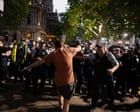
The real-world consequences of these laws became obvious during Israeli President Isaac Herzog's visit in early February 2026. Police used the PARD powers to lock down huge chunks of the Sydney CBD.
What followed was a mess. The anti-Herzog rallies turned violent, not because of a lack of police powers, but arguably because the legal avenues for peaceful assembly had been choked off. It triggered a police watchdog investigation into misconduct and left many wondering why the restrictions were extended several times even after the security threat had passed.
- The Power Trap: Commissioner Mal Lanyon kept the "emergency" zones active for months.
- The Impact: It didn't just stop protesters; it disrupted daily life, blocked streets, and created a "no-go" culture in the heart of our city.
- The Target: While the government claimed this was about terror, the court saw it was being used to stop people like Paul Silva and climate activists from voicing dissent.
Why this matters for every citizen
You might not be the type to hold a placard at Town Hall, but this ruling should still make you breathe a sigh of relief. When you give the police the power to decide who can speak and where, based on a vague "declaration" that can last for 90 days, you aren't just stopping a march. You’re handing over the keys to the city.
The court's decision reinforces a vital point: security isn't a blank check. The "precautionary principle" that the government tried to lean on—the idea that it's better to act now and ask questions later—has its limits in a democracy.
What happens next
The Minns government is now facing a massive political headache. They've spent significant capital on a law that lasted less than a year before being declared illegal.
If you're an organizer or just someone who cares about the right to speak up, the "Form 1" system is back in full effect without the shadow of PARD hanging over it. You don't need to worry about a three-month blackout zone preventing you from gathering.
However, don't expect the government to sit quietly. They’ll likely try to draft a "watered-down" version that attempts to skirt the court's specific objections.
Your immediate moves:
- Stay informed: Keep an eye on the NSW Police website for any new "public safety" orders, though their powers are now significantly neutered.
- Exercise your rights: If you're planning an assembly, use the standard Form 1 process. The "unauthorised assembly" threats used during the Herzog visit no longer have the PARD teeth behind them.
- Demand accountability: This is the second unconstitutional law in six months. It’s time to ask why the state’s legal advisors keep getting it so wrong.
The court didn't just strike down a law; it reminded the government that even in the wake of tragedy, the Constitution isn't optional.