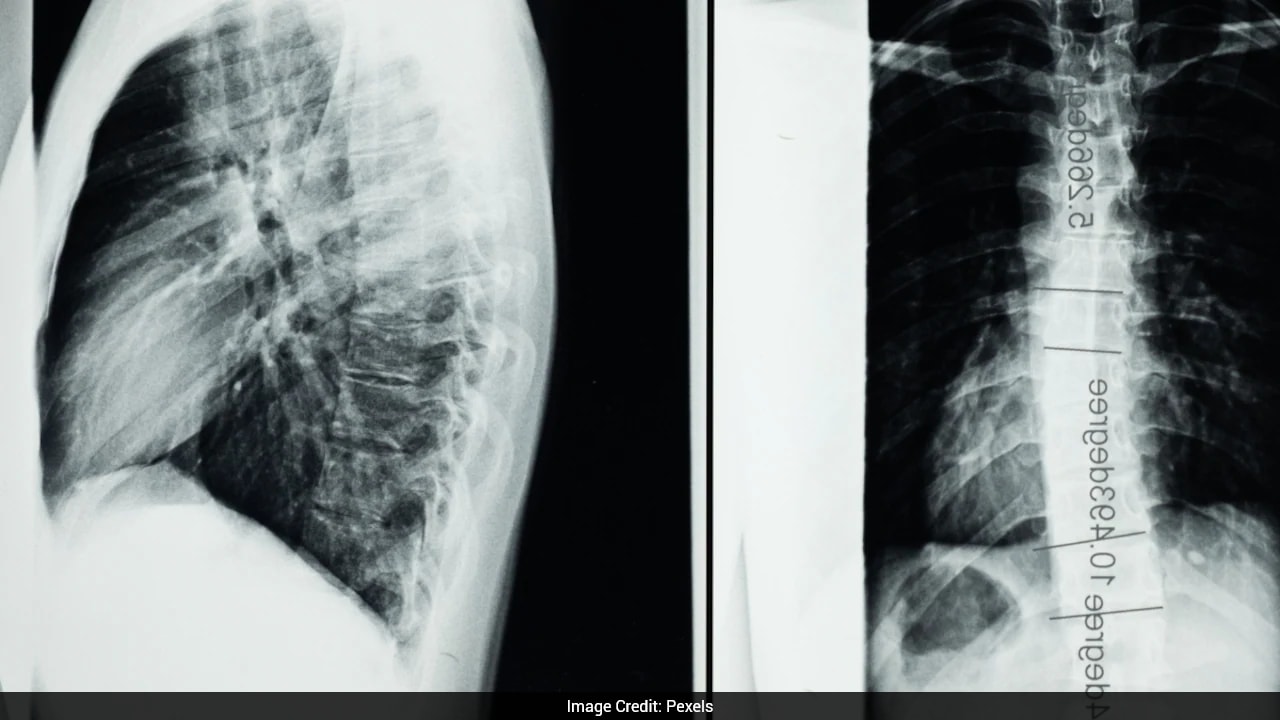
Most fitness confessions follow the exact same script. Someone falls in love with training. They chase PRs. They count every gram. Then their sleep tanks, their pulse stays elevated at midnight, and they blame the gym for stealing their peace.
That story makes great copy. It is also backward.
When people claim that fitness became an addiction that left them anxious and sleep deprived, they usually confuse the vehicle with the engine. Training did not hijack a calm, balanced nervous system and turn it neurotic. Training gave an already restless, anxious brain a socially approved place to hide—and a measurable way to score points.
I have watched dozens of high-achieving clients, lifters, and coaching colleagues burn themselves down to the studs while swearing they were simply "disciplined." I have sat across from people who looked like fitness covers on the outside and ran on fumes, dread, and six-hour nights on the inside. Most of them did not start out broken by exercise. They started out anxious, restless, or emotionally unmoored, discovered that sweat quieted the noise for ninety minutes, and then panicked when the noise came back at 11:00 PM.
The Lazy Consensus Around "Fitness Addiction"
Conventional wellness writing treats exercise compulsion like a moral tragedy of too much effort. The standard advice is predictable: take a deload week, delete your tracking apps, listen to your body, and go for gentle walks.
Gentle walks do not fix a nervous system that uses exhaustion to outrun dread.
In clinical literature, exercise addiction is not an official standalone diagnosis in the DSM-5-TR, though researchers frequently study exercise dependence alongside related constructs like compulsive exercise and muscle dysmorphia. Notice the distinction right away. Dependence involves physiological tolerance, withdrawal symptoms, and loss of control over training volume. Compulsive exercise is driven more by negative reinforcement—training to escape guilt, anxiety, or bad moods rather than to chase a thrill.
People routinely lump those together and call the whole mess "fitness addiction." That label feels neat. It also lets people avoid looking at what happens outside the gym door.
If you train hard every evening and still lie awake staring at the ceiling, blaming "overtraining" is often an easy alibi. True overtraining syndrome—a state of prolonged performance decrements and systemic fatigue that lingers for weeks or months even after rest—is far rarer in recreational gym-goers than internet threads suggest. What most people experience is non-functional overreaching stacked on top of chronic psychological stress, late-night stimulation, under-fueling, or circadian mismatch.
Even then, exercise itself is a stressor. Mechanically, lifting heavy weights or running intervals challenges tissue, elevates catecholamines like adrenaline and noradrenaline during and shortly after effort, and raises core body temperature. Evening workouts push those physiological shifts right up against bedtime.
Still, plenty of people lift at 6:00 PM and sleep like rocks. Why do some people spiral into insomnia and dread while others don't?
Imagine a Scenario Where You Remove the Gym
Imagine a scenario where a competitive lifter is forced out of the gym for three weeks by a minor rib strain. No workouts. No step counts. No chasing a pump.
If exercise alone caused their anxiety and insomnia, removing the stimulus should bring relief within days. Instead, what often happens? Irritability spikes. Restlessness crawls up the back of the neck. Every skipped session feels like losing ground in a silent war they cannot name.
When the gym disappears and the anxiety gets louder, the workout was not the root cause. The workout was the coping mechanism—and a leaky one at that.
Why Anxious Minds Hijack Training
Anxiety loves a scoreboard. Life is messy, ambiguous, and slow to reward effort. Relationships stall. Careers shift without warning. Money feels fragile.
A workout gives you clear inputs and immediate feedback. You put weight on the bar, you move it, you log the numbers, and for an hour you have a tangible problem you can solve with your body. For people carrying chronic low-grade anxiety or perfectionism, that control feels intoxicating.
Then the session ends. Cortisol and adrenaline settle, glycogen gets replenished, and the quiet returns. Without the distraction of movement, unresolved worries or baseline hypervigilance step back into the room. If you have spent years using intense exertion to numb out mental static, sitting still in the dark feels threatening. Your brain stays on high alert, scanning for problems even when your eyelids feel heavy.
Sleep researchers and sports physiologists have pointed out for years how tightly mood, arousal, and sleep architecture interact. Work by sleep researchers such as Matthew Walker and circadian biologists like Satchin Panda has helped popularize what clinicians have observed for decades: irregular schedules, bright light exposure at night, and a wired sympathetic nervous system fragment sleep far more reliably than a single hard squat session. Meanwhile, sports medicine researchers like Romain Meeusen have long emphasized distinguishing acute fatigue and functional overreaching from true overtraining syndrome, noting how psychological stressors often ride alongside physical load.
When someone is already running hot mentally and adds high-volume training on top of poor sleep, low energy availability, or high life stress, the system frays. Calling that whole spiral "fitness ruined my sleep" misses half the equation. Often, poor sleep and baseline anxiety were already setting the trap before the training log ever got out of hand.
The Questions People Keep Asking (And Why They Miss the Point)
Is It Possible to Be Addicted to Working Out?
Yes, in everyday language—and in clinical research on exercise dependence and compulsive exercise—people can develop rigid, driven patterns around exercise where stopping triggers distress and training continues despite harm to sleep, relationships, or health.
Here is the brutal truth most people do not want to hear: most "workout addicts" are not addicted to fitness. They are addicted to relief, certainty, or self-punishment. If you take away the obsession with the gym without fixing why you needed to outrun your own head in the first place, the compulsion simply migrates. It shows up in strict dieting, workaholism, doomscrolling, or relationship anxiety.
How Do You Know When Exercise Has Gone Too Far?
Skip the vague "listen to your body" platitudes. Look at objective drift over two to three weeks:
- Sleep quality deteriorates despite feeling physically tired—waking early, racing thoughts at night, or needing heavy caffeine just to function by mid-morning.
- Performance drops while effort rises, meaning warm-ups feel heavy, soreness lingers longer than usual, and motivation turns into dread.
- Flexibility vanishes, so missing one session or eating an unplanned meal triggers guilt, irritability, or frantic make-up workouts.
- Life outside the gym shrinks because social plans, recovery, or basic responsibilities keep losing to rigid routines.
If one bad week happens during a busy stretch at work, do not declare yourself broken. Pattern beats isolated bad days every single time.
Can Working Out Actually Cause Insomnia?
It can contribute, especially when intensity is sky-high late in the evening, energy intake is chronically too low, or caffeine is stacked late in the day to power through fatigue. Intense exercise raises heart rate, body temperature, and stress hormones acutely. If your wind-down window is nonexistent and your nervous system already struggles to downshift, late-night training can keep you wired past your bedtime.
Yet framing exercise as the villain ignores how often insomnia starts with mental hyperarousal—lying in bed replaying conversations, worrying about tomorrow, or fearing another sleepless night—and then gets blamed on whatever healthy habit happened to sit closest to bedtime.
Where My Contrarian View Can Bite You
I am pushing hard against the "fitness addiction" narrative because lazy labels keep people stuck. Still, contrarian positions have blind spots, and pretending otherwise is dishonest.
First, physiological over-stress is real. If you slash calories aggressively, train six or seven days a week with high volume, drink pre-workout stimulants in the afternoon, and sleep five hours a night, your body does not care about your psychology. High allostatic load will wreck recovery, tank training quality, and disrupt sleep regardless of how chill your mindset is.
Second, some people genuinely struggle with behavioral compulsion. When exercise becomes rigid, secretive, or tied to body hatred or eating restriction, telling someone to "just push through and train smarter" can pour gasoline on a fire. Sometimes stepping back and getting real professional support is the smartest move you can make.
Third, minimizing someone's lived experience backfires. Telling a wired, exhausted person "it's just your anxiety, not the gym" can sound dismissive if they are genuinely overdoing it. The goal is sharper diagnosis, not coldness.
What to Do Instead of Quitting Fitness
You do not need a dramatic break-up with training to sleep again. You need better boundaries between effort and identity.
1. Separate your self-worth from your training log.
If a missed workout makes you feel like a failure, your nervous system is treating a hobby like survival. Cap sessions at a defined time—say, 60 to 75 minutes—and leave the gym when the clock hits zero, even if you feel like doing "just one more thing."
2. Move hard sessions earlier when sleep is shaky.
If you train intensely at night and struggle to wind down, shift heavy lifting or hard intervals to morning or midday for two weeks. Keep evenings for low-stakes walks, stretching, reading, or actual downtime. Watch what happens to sleep onset.
3. Stop using workouts as an emotional sedative.
When stress hits, pause for ten minutes before lacing up your shoes. Ask yourself whether you are training to build strength or training to escape a feeling you do not want to sit with. If you still want to train afterward, go train. If you are just running from discomfort, name the discomfort first.
4. Audit fuel and caffeine before blaming volume.
Chronically under-eating while training hard spikes stress hormones and leaves you wired and tired at night. Cut caffeine at least eight to ten hours before bed—earlier if you are a slow metabolizer—and eat a real meal with protein and carbohydrates a few hours before sleep.
5. Train for capability, not punishment.
Punishment workouts feel noble for five minutes and leave you hollow for five days. Pick two or three clear performance markers—like steady strength progression, brisk walking stamina, or clean technique—and let boring consistency do its job.
The barbell is not your therapist, your judge, or your enemy. Put it down when you are done.