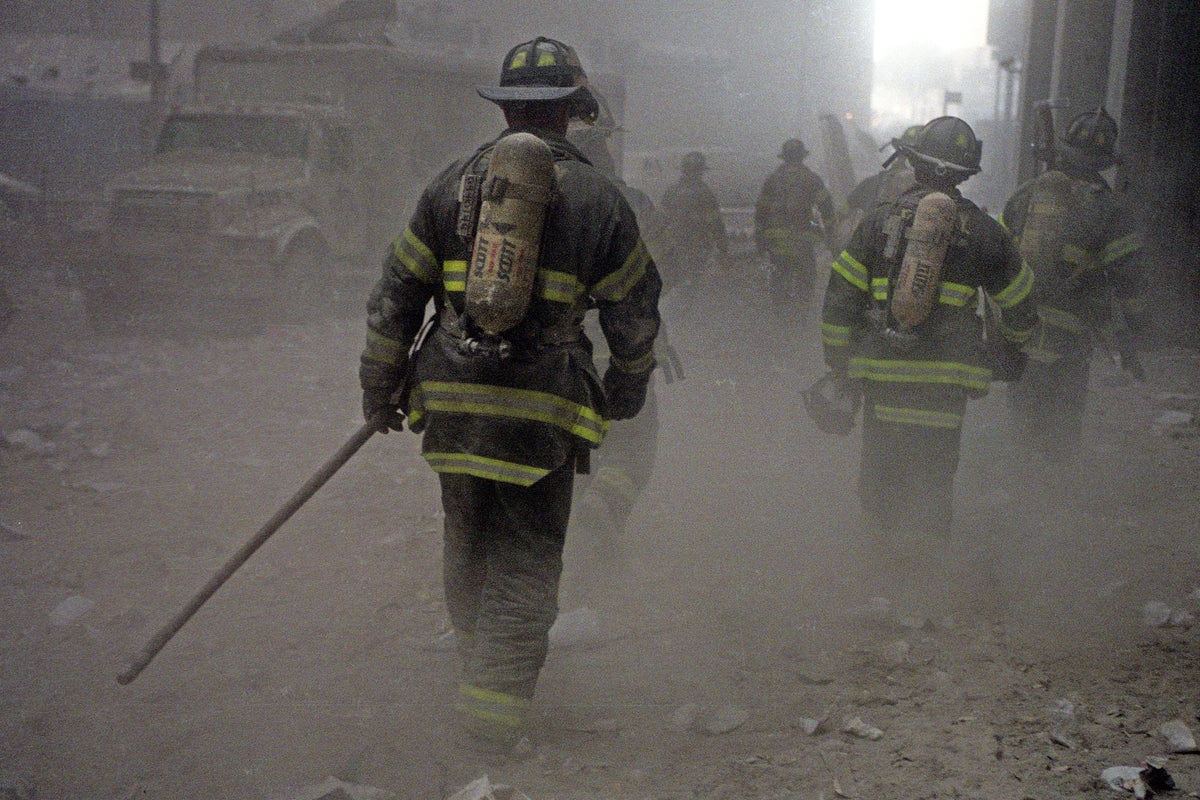
Dust hung thick over lower Manhattan for weeks after the towers fell. It coated cars, drifted into open windows, and clung to the clothes of anyone walking near the disaster zone. Officials told the public the air was safe to breathe. Released records tell a much darker story. They show a desperate push to restart the city's economic engine that heavily outweighed environmental safety concerns.
People wanted normalcy back. The city needed to show it wasn't broken. But the speed of the reopening sacrificed the health of thousands of cleanup workers, residents, and children who returned to classrooms too soon.
The Political Pressure to Resume Normal Life
Wall Street had to open. That was the core message coming from city and federal leaders in the days immediately following the disaster. Keeping the financial district closed felt like letting the attackers win.
Behind closed doors, the White House and the Environmental Protection Agency wrestled with conflicting priorities. The EPA issued reassuring public statements about air quality based on limited data. Internal memos reveal that political appointees wanted to calm public panic and get people back to work as fast as possible.
The pressure was immense. Lower Manhattan generated billions in tax revenue. Business leaders warned of permanent economic collapse if the financial markets stayed shuttered for too long. Safety standards bent to accommodate this urgency.
What the Air Sampling Actually Showed
The dust cloud was a toxic cocktail. It contained pulverized concrete, glass fibers, asbestos, heavy metals, and burning jet fuel.
Independent laboratories and academic researchers tested the dust independently. They found alarming levels of known carcinogens. Yet, official reassurances continued. The EPA's early pronouncements that the air was safe to breathe turned out to be dangerously premature.
Workers spent hours shoveling debris without proper respirators. Many wore simple paper dust masks that offered zero protection against microscopic asbestos fibers. The consequences didn't show up immediately. They materialized years later as chronic respiratory illnesses and aggressive cancers.
The Human Cost of Rushing the Cleanup
Thousands of people paid a heavy price for the rapid reopening of the financial district. First responders bore the brunt of the exposure, but office workers and local residents suffered too.
Schools near Ground Zero reopened within weeks. Parents trusted the official narrative. They sent their kids back into buildings that had not been thoroughly remediated. Classrooms still held fine particulate matter from the collapse.
Medical tracking programs launched years later revealed staggering statistics. Thousands of individuals developed permanent lung damage. Others faced rare cancers linked directly to the toxins released on that single morning. The institutional betrayal hurt just as much as the physical illness. People relied on their government for the truth when they were most vulnerable.
Learning From Institutional Failures
Transparency matters most during a crisis. When leaders hide uncomfortable truths to manage public panic, they trade short-term calm for long-term devastation.
Public health officials now look back at the post-9/11 response as a textbook case of how not to handle an environmental disaster. Communication must be accurate, even when the truth is ugly. Workers deserve proper protective gear from day one, not after the damage is already done.
If you or someone you know was exposed to the toxins in lower Manhattan during that period, health monitoring programs through the World Trade Center Health Program remain active. Take advantage of regular screenings because early detection changes outcomes. Never assume that an official green light means the environment is entirely safe. Check independent sources, wear proper protection when dealing with hazardous dust, and demand accountability from institutions when lives are on the line.