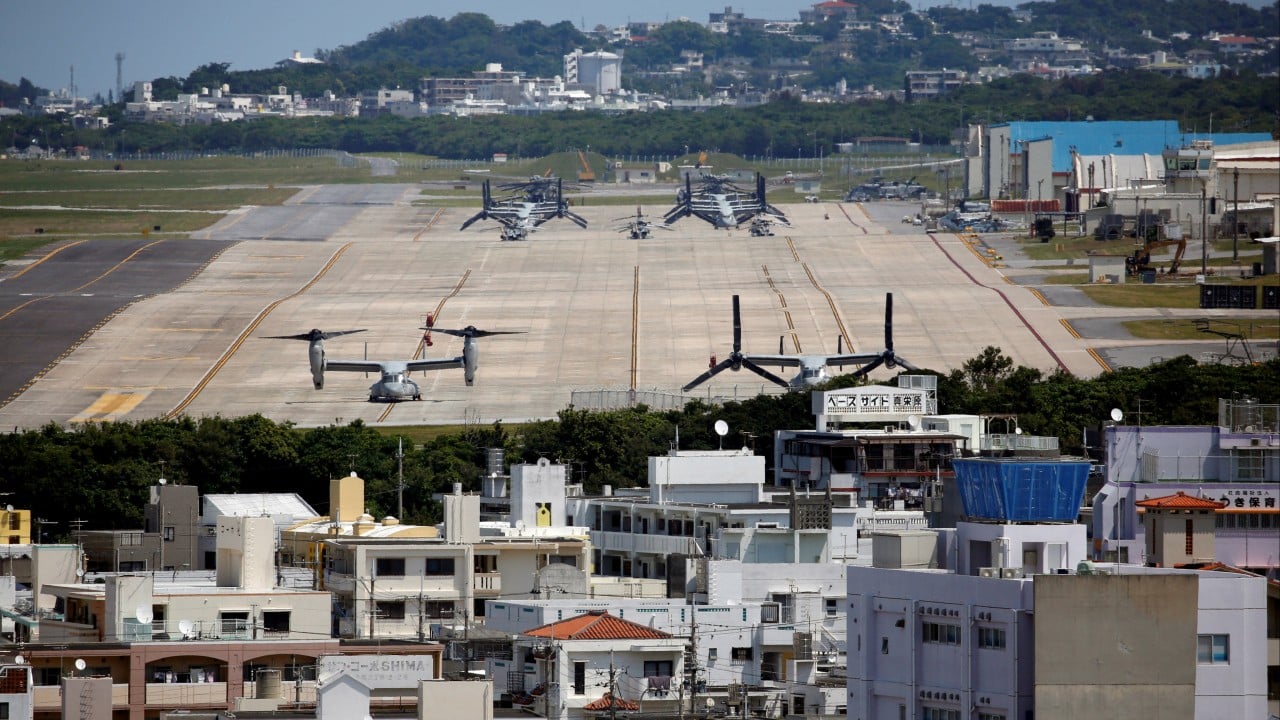
For over a decade, the Bell Boeing MV-22 Osprey sat at the absolute center of local fury in southern Japan. Residents protested. Previous governors built entire political platforms around kicking the tilt-rotor aircraft off Okinawa. Then political reality finally struck. Okinawa's newly minted governor, Genta Koja, executed a sharp about-face, quietly dropping the prefecture's long-standing opposition to hosting the aircraft at the Futenma air station.
If you follow Japanese defense politics or understand the heavy United States military footprint in Okinawa, you know this shift goes far beyond a single machine. It marks a profound turning point in how local leaders handle pressure from Tokyo and Washington, especially as regional security tensions across East Asia escalate.
The Weight of Realism Over Rhetoric
So why drop the opposition now? Governor Koja offered a blunt rationale to reporters at the prefectural office: raw realism.
The Ospreys have occupied space at Marine Corps Air Station Futenma for more than ten years. More importantly, the Japan Self-Defense Forces now fly the exact same aircraft model. Fighting against a weapon system that your own national defense force relies on daily creates an impossible political contradiction. Demanding a total withdrawal became a non-starter the moment Tokyo integrated the platform into its own national defense strategy.
Opposition politicians used to bank on total obstruction. Koja’s administration realized that strategy hit a dead end.
Why the Aircraft Terrified Locals
You cannot grasp the depth of Okinawan anger without looking at the aircraft's controversial history. The MV-22 is an engineering hybrid. It takes off and lands vertically like a helicopter, then rotates its massive prop-rotors forward to cruise like a fixed-wing turboprop.
That versatility comes with a complex operational profile. Over the years, a series of high-profile accidents and emergency landings turned the aircraft into a symbol of perceived danger. Noise pollution added constant fuel to the fire. Living underneath a fleet of low-flying tilt-rotor machines disrupts daily life. Every single incident eroded what little trust remained between local residents, the central government in Tokyo, and the U.S. military.
Yet, safety statistics and public outrage eventually collided with geopolitical necessity.
The Broader Shift in Local Governance
When local leadership shifts from ideological resistance to practical accommodation, it proves that national security priorities usually win. The anti-base movement in Japan isn't dead, but its most visible rallying cry just lost official backing.
Governors change. Bases stay. By dropping the demand to review the deployment plan, Okinawa's leadership has chosen a path of administrative pragmatism. They are trading unwinnable fights over hardware for leverage on other local grievances, such as base-related crime and environmental oversight. The Ospreys are locked into the landscape, and the political playbook surrounding them has changed for good.