Languages die quietly. They do not crash into the ground like a burning plane. Instead, an old speaker passes away in a hospital bed, a classroom switches to English, and a thousand years of poetry evaporates into thin air. Most people watch this happen and shrug. They think it is just the natural march of progress.
Calum Maclean and his mission to preserve Scottish Gaelic tell a different story.
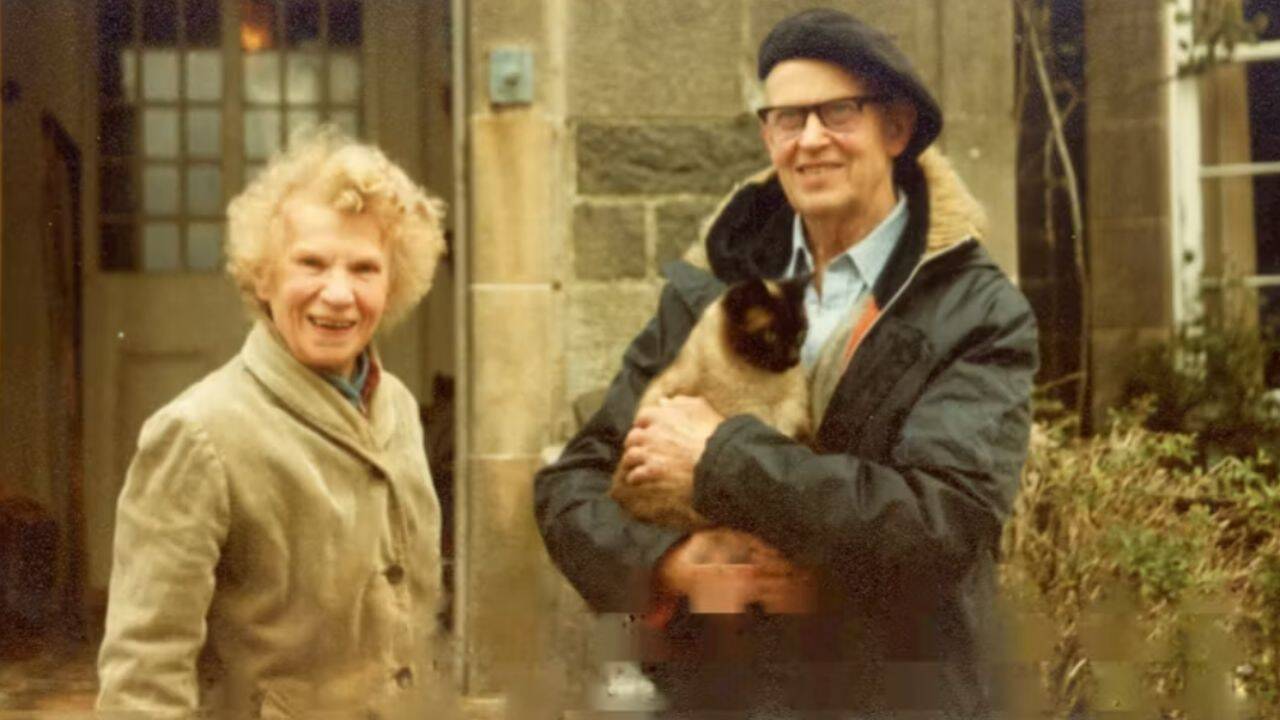
You don't need to accept cultural erasure as a given. A Scottish scholar and his American wife bought an island and spent decades preserving Gaelic culture against immense odds. Their radical act of preservation proves that heritage survives only when someone decides to anchor it physically to the earth.
Let's look at why this matters today, and what you can learn from their obsession.
Why Saving Gaelic Wasn't Just About Words
Language is a worldview. When you lose a word for a specific type of coastal fog or a localized weather pattern, you lose the survival knowledge embedded in that community for centuries. Calum Maclean understood this deeply. He wasn't an armchair academic collecting dust in a university library. He walked into the Scottish Highlands with a heavy recording machine, tracking down the last living repositories of oral history.
He recorded stories, songs, and folklore that had never been written down.
When he teamed up with his American wife, their project shifted from academic research to practical defense. They bought an island—Canna—not to run away from society, but to create a living laboratory for the language. They knew that keeping Gaelic alive requires a physical ecosystem. You cannot preserve a culture in a glass case. You need people walking the hills, naming the rocks in the old tongue, and passing those names to their kids.
Most modern preservation efforts fail because they rely on apps and digital archives. Screens don't replace community. Maclean realized that cultural survival demands land, labor, and stubborn persistence.
The Brutal Reality of Language Loss
People love to romanticize indigenous languages. They buy the coffee mugs, download the audio lessons, and pat themselves on the back. But actual preservation is exhausting, messy, and financially draining.
Look at the numbers. Scottish Gaelic has hovered on the edge of extinction for generations. Despite government grants and institutional backing, the speaker numbers remain fragile. Why? Because institutional support rarely translates to kitchen-table usage.
When the scholar and his wife secured their island refuge, they faced hostility from institutional authorities who viewed their methods as eccentric. Academia often prefers dead languages that stay neatly inside textbooks over living tongues that talk back, argue, and shift. They pushed forward anyway. They didn't wait for permission from cultural ministries.
Here is the hard truth most historians ignore: heritage preservation is an act of defiance. You are fighting against the gravity of globalization. If you want to protect a culture, you have to invest your own capital and your own life into it.
What You Can Do to Protect Local Culture
You don't need to buy a Scottish island to make a difference in cultural preservation. The principles that saved Gaelic on Canna apply to any fading tradition, local craft, or regional dialect.
- Document the elders. Grab a microphone or a notebook and talk to the oldest people in your family or neighborhood. Record their slang, their recipes, and their stories before they disappear.
- Support local economies. Cultural traditions die when the local economy collapses. Buy crafts, attend regional events, and fund independent creators who keep vernacular arts alive.
- Reject homogenization. Stop defaulting to the most widely spoken language or the most commercialized cultural output just because it is convenient. Use local names, honor regional quirks, and teach them to the next generation.
Culture is fragile. It survives only because specific individuals refuse to let it go. Stop waiting for someone else to archive your history. Pick up the recorder, learn the local names, and start building your own island.