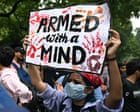
One viral clip can turn a loud street moment into a locked front door. That's the brutal reality behind headlines about a protester facing severe online harassment after crude remarks about Narendra Modi at a demonstration involving cockroaches, leaving her afraid to step outside.
When a clip breaks out of a protest crowd, the backlash rarely stays in the comment section. It spills into real life. Threatening calls, doxxed addresses, coordinated pile-ons, and sudden public notoriety can make leaving home feel like walking into a minefield. You might also find this related story useful: Why the Belgrade Spyware Story Misses the Real Threat to Prosecutors.
I've watched how fast digital outrage turns personal, especially when political anger collides with gender and internet anonymity. People love to debate free speech and political decorum from a safe screen. Honestly, they rarely talk about what happens to the person whose face got clipped and blasted across feeds at two in the morning.
Why Online Harassment After Political Protests Escalates So Fast
Protest moments are messy by nature. Chants overlap, tempers flare, and someone might say something crude, careless, or provocative in the heat of the crowd. On the street, that remark might last ten seconds and fade into noise. Online, algorithms treat outrage like fuel. As highlighted in detailed coverage by The Washington Post, the implications are notable.
Once a video clip is stripped of context and framed as an attack on a prominent leader like Modi, it stops being a local street argument. It becomes a symbol for millions of people who already have strong feelings about politics, media bias, and public behavior.
Three mechanics usually drive the pile-on:
- Context collapse: A brief, crude line filmed on a phone gets detached from the broader protest, turning a messy moment into a permanent character trial.
- Coordinated amplification: Accounts with huge reach or organized networks spot a flashpoint clip and push it straight to angry audiences who never attended the event.
- Personal exposure: Once commenters demand to know who the person is, scraps of personal info—a workplace, neighborhood, phone number, or family photo—often surface fast.
Critics of viral outrage sometimes argue that public pushback is just accountability or free speech cutting both ways. Fair enough when people criticize an idea or argue back in words. There's a massive gap between disagreeing with a crude remark and hunting down a private citizen so they can't walk to the corner store in peace.
The Hidden Toll of Being Trapped Behind Closed Doors
When targets say they can't leave home anymore, some outsiders assume it's exaggeration for sympathy. That misses how fear actually works in the body and mind.
Researchers at institutions like the Pew Research Center have documented for years that severe online harassment isn't "just words" for the people on the receiving end—it frequently brings emotional distress, sleep disruption, and real-world safety fears. When digital threats attach themselves to your physical location, your brain stops treating your neighborhood as familiar ground.
Every knock at the gate feels suspect. Every unfamiliar scooter idling outside makes your stomach drop. Even going to buy groceries, pick up mail, or meet a friend can trigger hypervigilance if you worry someone will recognize you, film you, or confront you.
Isolation compounds the damage fast. Staying indoors cuts you off from routines, sunlight, and everyday support right when your stress response is running hot. Friends might tell you to just ignore your phone, which sounds neat in theory and fails completely when strangers know where you live or work.
Free Speech, Crude Remarks, and Double Standards
Cases involving crude political remarks always spark a tug-of-war over standards. Some people say coarse language crosses a line and invites whatever backlash follows. Others point out that political speech across the spectrum gets rough, vulgar, and personal every day—yet the fiercest real-world intimidation often lands disproportionately on women and less powerful individuals rather than public figures or major commentators.
Both observations can be true at once without canceling each other out. You can dislike crude remarks at a protest and still recognize that dogpiling, threats, and home-bound fear aren't proportionate justice. Vigilante harassment isn't accountability. It's intimidation dressed up as moral outrage.
There's also a practical lesson here for anyone who steps into a public demonstration with a camera rolling anywhere nearby. Crowds are volatile. A joke, an insult, or a heated line meant for people standing three feet away can travel across a country before dinner. Knowing that doesn't make harassment the victim's fault—it just reflects how unforgiving modern media ecosystems have become.
Practical Steps When Harassment Follows You Offline
If you or someone you know gets caught in a viral backlash and starts feeling unsafe leaving the house, waiting for the internet to "move on" isn't a real plan. A few concrete steps help regain footing:
- Document everything immediately: Take screenshots with timestamps, save URLs, and record threatening messages or call logs before accounts delete posts or platforms pull content.
- Lock down digital footprints: Tighten privacy settings across social accounts, remove location tags, check search results for exposed addresses or family details, and warn close contacts not to share photos or updates about your whereabouts.
- Shift daily routines safely: Vary routes and times when you do step out, bring a trusted friend or family member for necessary errands, and avoid solo trips until the immediate spike cools down.
- Loop in local authorities and support: If there are direct threats, stalking, or real-world intimidation, report the documented evidence to local police and reach out to mental health or legal support resources early rather than carrying the fear alone.
Staying locked inside shouldn't be the price of a bad clip or a sharp political moment. Real safety starts with protecting your physical boundaries, keeping clear records, and getting solid people in your corner.