Ontario Premier Doug Ford recently stood before reporters and fell back on a familiar rhetorical comfort blanket. He called the United States and Canada best friends, urged an immediate thaw in cross-border tensions, and warned that protectionist policies hurt workers on both sides of the border. It sounds sensible on the surface. It plays well in local media briefs and fits neatly into the long-standing mythology of the world's longest undefended, most integrated economic border.
Yet this diplomatic plea for harmony ignores structural friction that has been building for years. Beneath the public appeals for unity lies an aggressive U.S. industrial policy that treats Canadian resource extraction, manufacturing, and energy supply chains as secondary considerations at best and domestic political targets at worst. If you found value in this piece, you might want to read: this related article.
Friendship does not dictate modern trade policy. Domestic political survival and national security imperatives dictate trade policy. When the premier asks for a return to friendly neighbor status, he is missing the fundamental shift in how Washington views its northern partner. The era of frictionless integration is over.
The Anatomy of Modern Protectionism
Washington has largely abandoned traditional free trade orthodoxy. Both major American political parties now embrace supply chain nationalism. This policy framework seeks to claw back critical manufacturing, energy production, and technology supply chains onto domestic soil, regardless of the economic cost to traditional allies. For another perspective on this development, check out the recent coverage from Reuters.
When the United States implements domestic content requirements for electric vehicles, subsidies for domestic semiconductor fabrication, or strict Buy American provisions for infrastructure projects, it is executing a deliberate strategy. Canada is not accidentally caught in the crossfire. Canada is simply being treated as a foreign jurisdiction subject to the same economic nationalism applied globally.
Ontario's industrial base depends entirely on open access to the American market. The automotive sector in particular operates as an integrated continental machine. Parts cross the border multiple times before a vehicle rolls off an assembly line in Windsor or Oshawa. Disrupting that flow with tariffs, regulatory divergence, or localization mandates creates existential threats for provincial manufacturing.
Yet appealing to historical friendship fails to move officials in Washington who answer to domestic constituencies demanding localized factory jobs. The U.S. political incentive structure rewards protectionism. A plea for continental harmony carries little weight against a senator trying to secure industrial investments for Michigan or Ohio.
Critical Minerals and the New Leverage Game
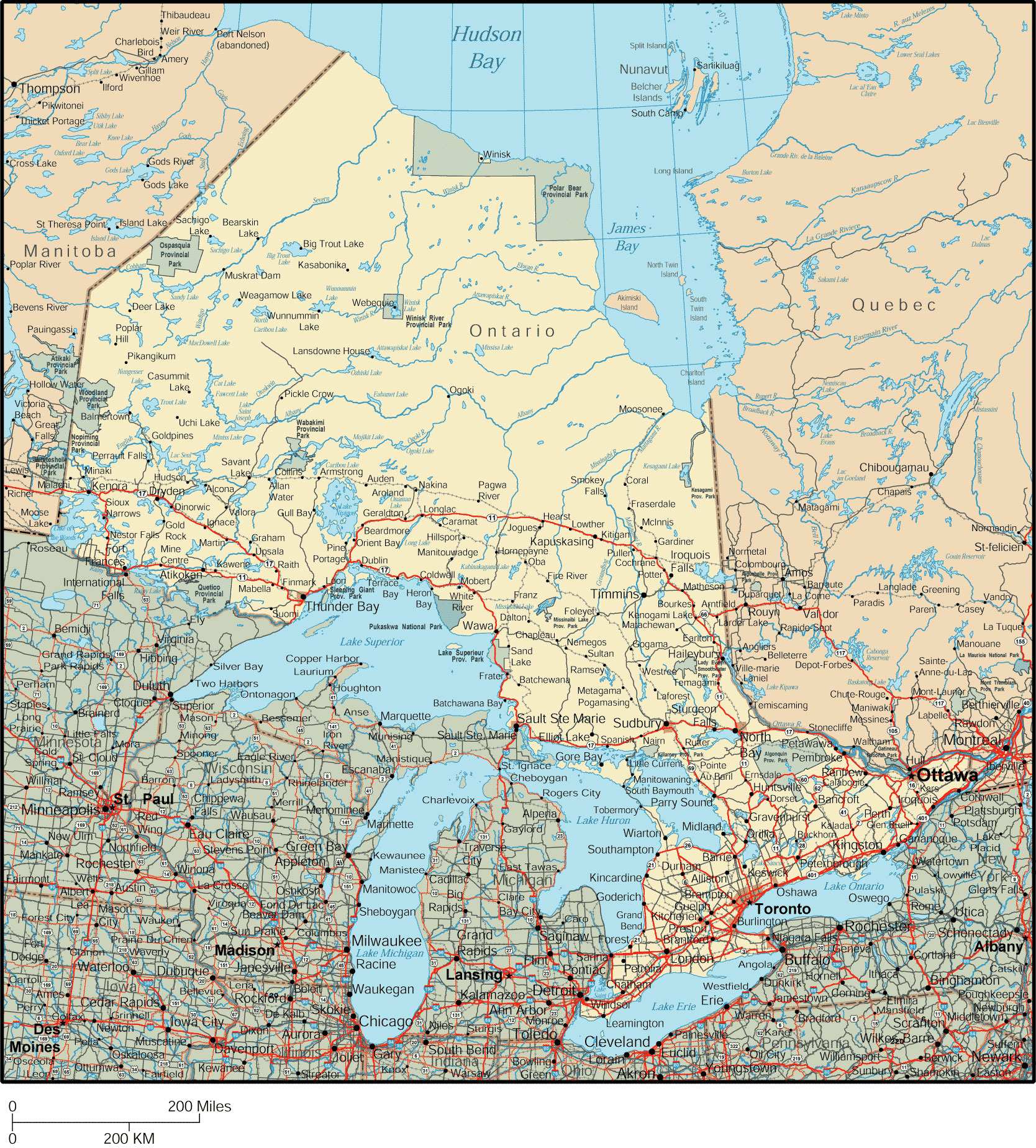
If Ontario holds a trump card in this high-stakes economic chess match, it is the Ring of Fire and the province's vast deposits of critical minerals. Nickel, lithium, cobalt, and graphite sit beneath the northern shield, desperately needed by American battery manufacturers and defense contractors trying to break reliance on overseas supply chains.
Premier Ford has tried to leverage this treasure trove. The pitch is straightforward. Canada can supply the clean inputs required for the North American green transition, provided Washington treats Canadian miners and processors as domestic entities under the Defense Production Act and related funding mechanisms.
Progress has been painfully slow. Bureaucratic friction, lengthy environmental assessment processes, and the lack of vital infrastructure linking northern Ontario to southern industrial centers have stalled development. Washington is unwilling to wait indefinitely for Canadian infrastructure projects to clear multi-decade approval phases. American firms are aggressively pursuing domestic mineral extraction in Minnesota, Nevada, and Alaska, while also locking down supply agreements with alternative global partners.
Relying on the moral argument of friendship while mineral deposits remain trapped in the ground is a failing strategy. Capital moves toward certainty, not sentimentality.
The Real Cost of Interprovincial Barriers
While provincial leaders point fingers across the international border, they conveniently ignore the regulatory walls built at home. Internal trade barriers within Canada impose billions of dollars in deadweight loss on the national economy every year.
It remains harder to ship certain goods and professional services across provincial boundaries in Canada than it is to export them to the United States. Regulatory fragmentation between Ontario and neighboring provinces like Quebec and Manitoba creates absurd inefficiencies. Truck weight limits differ. Alcohol sales remain tightly restricted by provincial monopolies. Professional credentials earned in one province are frequently not recognized in another.
If Ontario wants to withstand American protectionism, the most effective immediate remedy sits entirely within provincial jurisdiction. Dismantling internal trade barriers would unleash a massive surge of domestic economic productivity, creating resilient supply chains that do not rely on the whims of Washington administrations.
Demanding that a foreign power alter its national security and industrial policies out of affection is a strategy rooted in political theater rather than economic reality.
The Path Through the Friction
Navigating this new era requires abandoning the illusion of frictionless continental integration. Ontario must accept that trade disputes are permanent features of the modern economic landscape, not temporary aberrations.
This means shifting focus away from diplomatic appeals and toward strategic self-reliance. It means streamlining internal environmental reviews and infrastructure funding to get critical minerals out of the ground and into processing facilities on accelerated timelines. It means building commercial alliances directly with individual U.S. state governors and congressional delegations who rely on Canadian trade for their local economies, bypassing a federal government fixated on industrial nationalism.
The premier is right to defend Ontario workers. But calling for a thaw in a trade war while refusing to acknowledge why the ice formed in the first place guarantees continued vulnerability. Friendship is a nice sentiment for a press conference. Survival requires leverage, speed, and an honest reckoning with how the world actually works.