Oval Office Visual Signaling: A Strategic Analysis of Political Interior Architecture
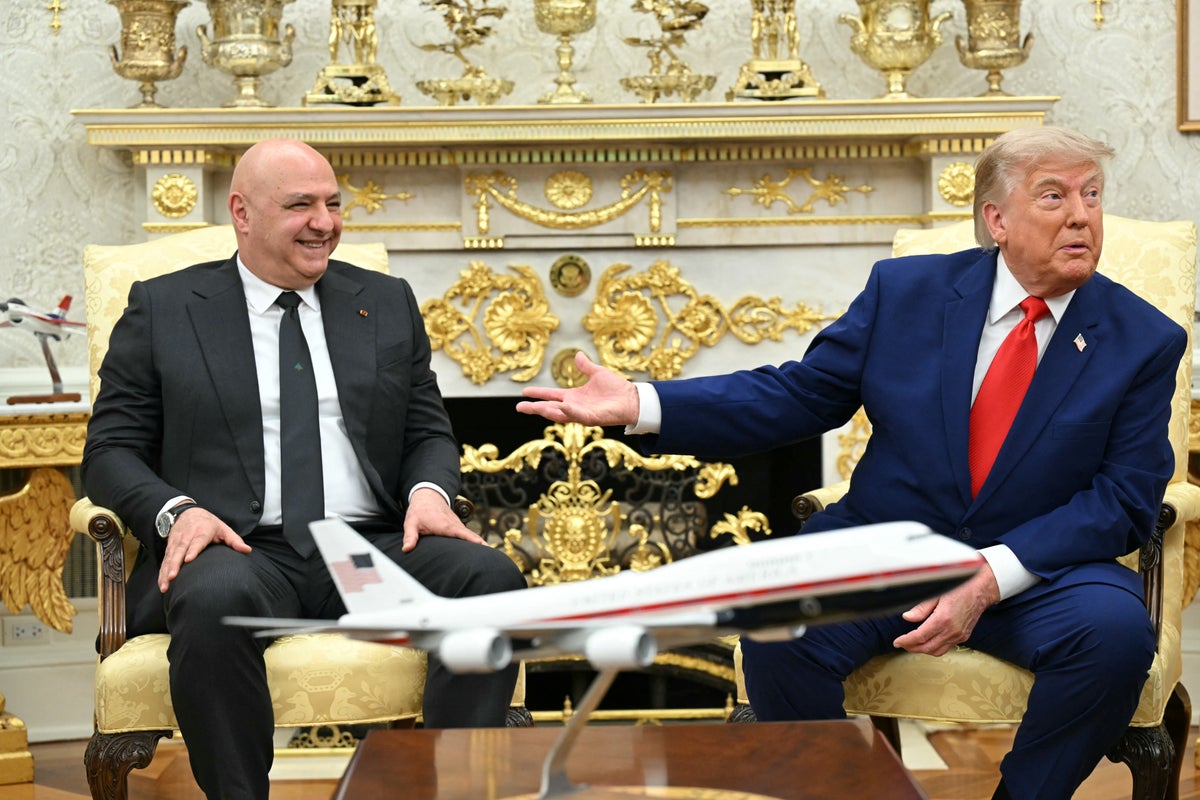
The spatial arrangement of the Oval Office functions as a non-verbal communications matrix designed to project specific political, economic, and institutional priorities. The recent integration of model aircraft across the executive workspace represents a calculated shift in visual strategy. Rather than viewing interior modifications through a purely personal or aesthetic lens, analyzing these spatial decisions through signal theory and institutional branding frameworks reveals a structured attempt to project defense capability, domestic manufacturing strength, and geopolitical deterrence.
The Strategic Objectives of Executive Spatial Design
Physical environments utilized by heads of state serve three primary functions in international and domestic communications:
- Deterrence Projection: Visual cues that indicate technological dominance or defense readiness to foreign observers during bilateral meetings.
- Constituent Alignment: Spatial markers that signal support for specific domestic industries, labor sectors, or geographic bases.
- Historical Continuity: Items positioned to link the current administration with historic periods of industrial production or military power.
The placement of defense-sector models—specifically representing advanced aviation platforms—targets two main audiences simultaneously. For foreign delegations, the iconography reinforces American aerospace dominance. For domestic audiences, it visualizes an emphasis on defense spending and domestic advanced manufacturing.
The Three Pillars of Aerospace Signaling in Executive Spaces
The deployment of industrial and defense models within executive architecture relies on three distinct operational mechanisms.
1. The Industrial Capacity Signal
Aerospace manufacturing represents the pinnacle of high-value capital investment and skilled labor utilization. Displaying physical representations of domestic aircraft shifts the visual narrative toward industrial production, supply chain independence, and high-tech manufacturing capacity. This aligns with political strategies centered on economic nationalism and domestic job retention.
2. The Power Projection Variable
The choice of specific platforms carries distinct policy weight. Tactical fighters signal immediate military readiness, strategic bombers signal long-range force projection, and presidential transport platforms (such as modified Boeing 747 assets) project global executive reach. Each platform type acts as a silent variable in video broadcasts and photo opportunities, reinforcing hard power capabilities without explicit verbal rhetoric.
3. The Modernization Narrative
Integrating modern military hardware alongside classic historical artifacts signals an intention to modernize state infrastructure. It bridges the gap between legacy political institutions and future-oriented technological development, asserting that the state remains focused on maintaining strategic technological superiority.
Structural Bottlenecks in Visual Communications
While physical spatial modifications provide high-impact visual assets for media distribution, the strategy carries operational limitations:
- Over-Signaling Risk: Excessive visual density can dilute the core message, transforming an intentionally curated backdrop into a visually cluttered environment that distracts from official proceedings.
- Sector-Specific Bias: Over-indexing on defense and aerospace iconography may alienate domestic constituencies focused on civil infrastructure, healthcare, or consumer technology sectors.
- Media Misinterpretation: Unfiltered media coverage often interprets structural visual signaling through the lens of individual eccentricity rather than strategic policy projection, diminishing the intended institutional impact.
Operational Execution for Public Policy Messaging
To maximize the efficacy of spatial visual communication without triggering operational bottlenecks, policy communications strategies must follow a disciplined framework.
- Establish Intentional Focal Points: Limit high-value visual artifacts to the primary line of sight behind the executive desk to ensure consistent framing during press briefings.
- Align Artifacts with Active Policy Push: Rotate visual items to correspond directly with current legislative priorities, such as displaying maritime models during naval budget negotiations or commercial space models during civil space policy initiatives.
- Maintain Balance Between Hard and Soft Power: Pair industrial and military displays with artifacts representing economic diplomacy, cultural heritage, or foundational state documents to present a balanced institutional image.
Future strategic communications must treat physical spaces as dynamic policy canvases where every object directly supports active statecraft objectives.