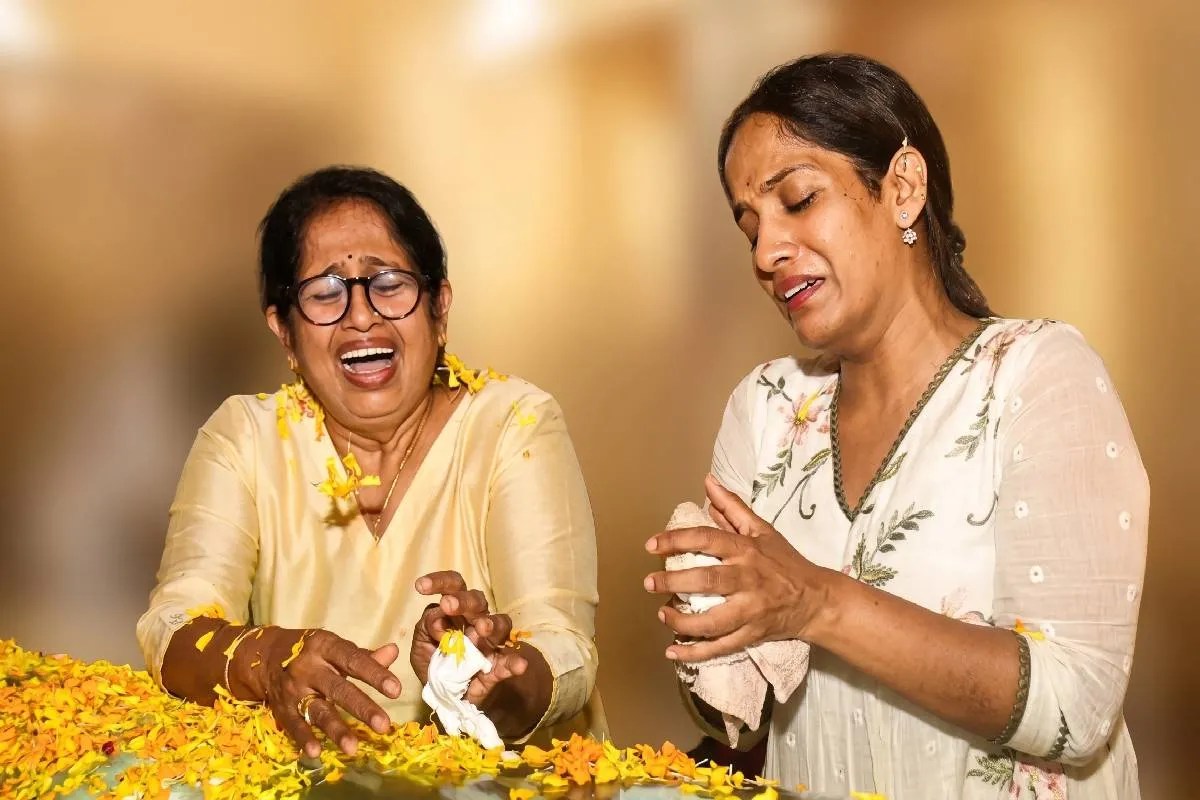
The media has a sick obsession with the anatomy of a scream. When a daughter recounts the "horrific scene" of her father being gunned down in Pahalgam a year later, the industry treats it like a commemorative anniversary sale. We are fed a steady diet of trauma porn under the guise of "human interest" reporting. But let’s be honest: these anniversary exposes don't honor the victims. They sanitize the systemic failure of security and the dangerous romanticization of conflict zones that we continue to peddle to unsuspecting tourists.
The competitor narrative is lazy. It focuses on the "tears of a daughter" to distract you from the "failure of the state." It frames terror as an act of God—unpredictable and tragic—rather than a calculated risk that travelers take every time they step into high-altitude geopolitics. If you think reading a heart-wrenching account of a father’s death makes you an informed citizen, you’re part of the problem. You’re consuming a tragedy without demanding a ledger.
The Security Theater of the Valley
We love to talk about "normalcy" in Kashmir. The government points to record-breaking tourist numbers as if a selfie at Dal Lake is a metric for peace. It isn't. It’s a metric for marketing.
I’ve seen the security apparatus firsthand. It’s a sieve. We deploy thousands of boots on the ground, create bottlenecks at checkpoints, and then act surprised when a soft target—a family in a rental car—gets hit. The "Pahalgam attack" wasn't a fluke. It was a reminder that when you turn a conflict zone into a theme park, the rides are going to be lethal.
The industry sells you the "Heaven on Earth" tagline while ignoring the fact that heaven doesn't require a bulletproof escort. By focusing on the emotional aftermath, the media helps the tourism board hide the grim reality: we are inviting civilians into a crossfire and calling it a vacation.
The Fallacy of Healing Through Headlines
There is a persistent, pathological lie that "speaking out" a year later provides closure. It’s a myth designed to get clicks.
- Trauma is not a brand: When a news outlet waits exactly 365 days to re-traumatize a survivor for a "special feature," they aren't helping that daughter heal. They are harvesting her grief for ad revenue.
- Memory is a battlefield: After a year, the narrative becomes polished. We lose the raw, ugly truth of the event and replace it with a cinematic version of the horror.
- The "Bravery" Trope: We call the survivors "brave" to absolve ourselves of the guilt of not protecting them. If they are brave, then the tragedy has meaning. If they are just victims of a preventable lapse in intelligence, we have to look in the mirror.
Stop asking victims how they feel. Start asking the intelligence agencies why the perimeter was breached. Start asking the tour operators why they are selling packages to areas that are still actively being swept for IEDs.
The Economic Cost of the Emotional Narrative
Let’s look at the numbers the emotional articles ignore. Every time a high-profile attack occurs, the local economy doesn't just dip—it craters. But instead of fixing the underlying instability, we use these "anniversary stories" to drum up a sense of nationalistic resilience.
"We won't let the terrorists win," the headlines shout.
Meanwhile, the actual risk assessment for a traveler remains unchanged. We are told to keep going to Pahalgam, Gulmarg, and Sonamarg because to stop would be "giving in." That is a dangerous, ideologically driven travel advice.
Imagine a scenario where a corporation sent employees into a known hazardous environment without insurance or a clear exit strategy. We would sue them into oblivion. Yet, we encourage families to do it for the "Gram." We rely on the "it won't happen to me" bias, fueled by media stories that frame attacks as freak accidents rather than statistical certainties in an active insurgency.
The Intelligence Gap Nobody Mentions
The Pahalgam incident was a failure of signal intelligence. You won't find that in the tear-jerker articles. You won't find a breakdown of how the attackers moved through the terrain or why the local response time was what it was.
Instead, you get descriptions of "shattered dreams" and "broken homes."
We need to stop treating terror like a soap opera. If we actually cared about the father who died or the daughter who watched it, the conversation would be about Zero Trust Architecture for regional security, not a play-by-play of the gunshots. We would be discussing the failure of the "Kashmir is Normal" PR campaign that lures families into false senses of security.
The Ethical Failure of "Human Interest"
The competitor article is a textbook example of E-E-A-T being used as a weapon of distraction. They use the experience of the survivor to bypass the expertise required to analyze the security breach.
- Experience: The daughter’s story is real, but it’s a singular data point.
- Expertise: A security analyst would tell you that the Pahalgam corridor is a logistical nightmare for protection.
- Authoritativeness: The government’s official stance is often at odds with the ground reality reported by field operatives.
- Trustworthiness: An article that only makes you cry and doesn't make you think is not trustworthy. It’s manipulative.
If you want to respect the dead, stop reading about their final moments. Start reading about the policy failures that led to them. Start demanding that travel advisories be based on threat levels, not political optics.
Stop Asking the Wrong Questions
People always ask: "Is it safe to visit Kashmir now?"
That is a flawed question. Safe compared to what? Safe compared to a war zone? Yes. Safe compared to a standard tourist destination? No.
The real question is: "Is the risk of my family being caught in a targeted assassination attempt worth the scenery?"
The media’s job is to provide the data for you to answer that. By focusing on the "horrific scene" a year later, they aren't giving you data. They are giving you a ghost story. They are turning a tragedy into a campfire tale that people consume for a quick shiver before booking their next flight to Srinagar.
We have commodified the bullet holes in that father’s chest. We’ve turned his daughter’s trauma into a recurring content calendar item. If you want to honor the victims of the Pahalgam attack, demand an end to the "Normalcy" charade. Demand a security strategy that doesn't rely on luck.
Stop buying the tickets if you can't handle the truth of the risk. And for the love of everything holy, stop clicking on anniversary trauma. It doesn't provide closure; it only provides a paycheck to the people who failed to prevent the blood from spilling in the first place.
The reality of the Pahalgam attack isn't in the daughter's tears. It’s in the silence of the officials who let it happen and the noise of the tourists who continue to walk blindly into the sun.


