The maritime establishment is having a collective public meltdown. Traditional maritime powers and industry groups are sounding alarms, claiming that international shipping rules are collapsing under the weight of geopolitical friction, regional conflicts, and the explosive growth of uninsured dark fleets. The lazy consensus says we are watching the unravelling of the post-war order, returning to a lawless era of high-seas anarchy where container ships and crude carriers are sitting ducks.
This panic is based on a fundamental misreading of how maritime commerce actually functions. For a more detailed analysis into this area, we suggest: this related article.
Rules are not collapsing. They are mutating. What the legacy shipping class calls a breakdown is actually a ruthless, market-driven evolution toward a decentralized reality. The old Westphalian fantasy of a single, unified global rulebook administered by toothless international bodies is dead, and good riddance. The smart money stopped mourning it years ago.
The Myth of Uniform Global Compliance
For decades, industry bureaucrats operated under the illusion that a stamp from the International Maritime Organization or a standard Protection and Indemnity club backing meant the entire planet played by the same script. It was always a polite fiction. Global trade has never been governed by shared goodwill; it has been governed by geography, naval power, and the unyielding math of supply and demand. For further details on the matter, extensive coverage can be read at Forbes.
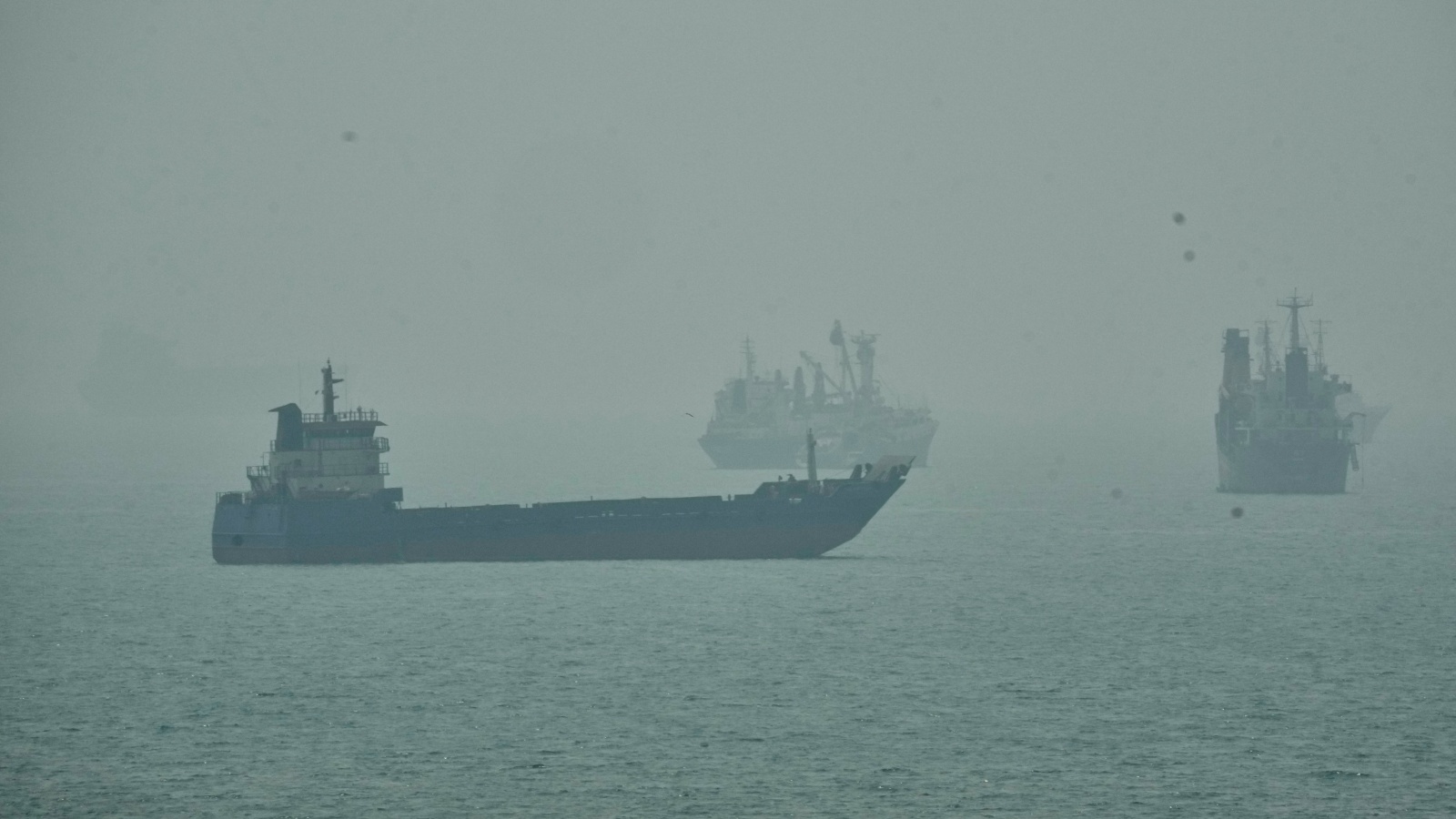
When organizations like the Consultative Shipping Group whine that commercial vessels can no longer move freely across all chokepoints, they are mourning the loss of convenience, not the death of order. Look at the data. Even with regional conflicts choking narrow arteries like the Strait of Hormuz and Western sanctions spawning a shadow fleet exceeding 1,500 tankers, global cargo volumes continue to clear. Energy still finds its buyers. Grain still moves.
The system did not break; it routed around the damage.
Imagine a scenario where a corporate logistics network relied on a single, highly regulated highway system for all its distribution, only for a few bridges to become contested territory. A poorly run company panics and halts operations, waiting for the transport ministry to fix the roads. A master operator re-routes the trucks through secondary industrial paths, renegotiates risk premiums, and keeps moving product. That is what global shipping is doing right now. The rules haven't vanished; they have fractured into localized, pragmatic pacts between sovereign entities who care less about international committees and more about keeping their domestic lights on.
The Shadow Fleet Is Free Market Capitalism in Action
The favorite boogeyman of the maritime press is the shadow fleet—vessels operating outside traditional Western oversight, moving sanctioned hydrocarbons without conventional insurance. Critics treat these ships as floating safety hazards waiting to trigger ecological armageddons.
Let's look at the mechanics with cold clarity. Traditional maritime insurance was built as an instrument of Western foreign policy leverage. When sanctions weaponize insurance and flagging, cargo owners don't simply fold their cards; they build alternative risk-mitigation structures. The rise of non-traditional registries, private risk absorption, and state-backed guarantees is a masterclass in market adaptation.
Insurance is merely a quantification of risk. If a vessel lacks Western P&I club backing, it does not mean the ship is unsafe; it means the risk has been re-priced and shifted to jurisdictions that do not care about Washington or Brussels mandates. Shippers utilizing these networks aren't operating in a lawless void. They are operating under a different set of ledgers. The efficiency of this shadow apparatus proves that global trade views sanctions and multilateral rules not as moral imperatives, but as transactional friction to be engineered away.
Stop Trying to Save International Treaties and Re-Engineer Your Supply Chains
The traditional maritime playbook tells operators to lobby for multilateral protections, wait for naval escorts, and cross their fingers for diplomatic normalization. This is a losing strategy. Relying on collective security arrangements in an era of great power competition is corporate suicide.
If you manage physical assets, supply chains, or trade finance, you need to abandon three toxic assumptions immediately:
- The assumption of seamless transit: Assume that any major maritime chokepoint can and will become a restricted zone overnight. Build geographical redundancy into your procurement before your competitors do.
- The assumption of uniform insurance validity: Stop treating standard Western compliance as a universal shield. Evaluate counterparty risk based on localized asset ownership and alternative capital backing.
- The assumption that regulators speak for markets: Regulators manage politics. Markets manage survival. Align your operational strategy with the latter.
The maritime world is not descending into chaos. It is returning to a multi-polar reality where trade bends to power and agility, not paperwork. Those wasting time trying to patch a broken global consensus will get left behind while the operators embracing the fracture capture the margin.