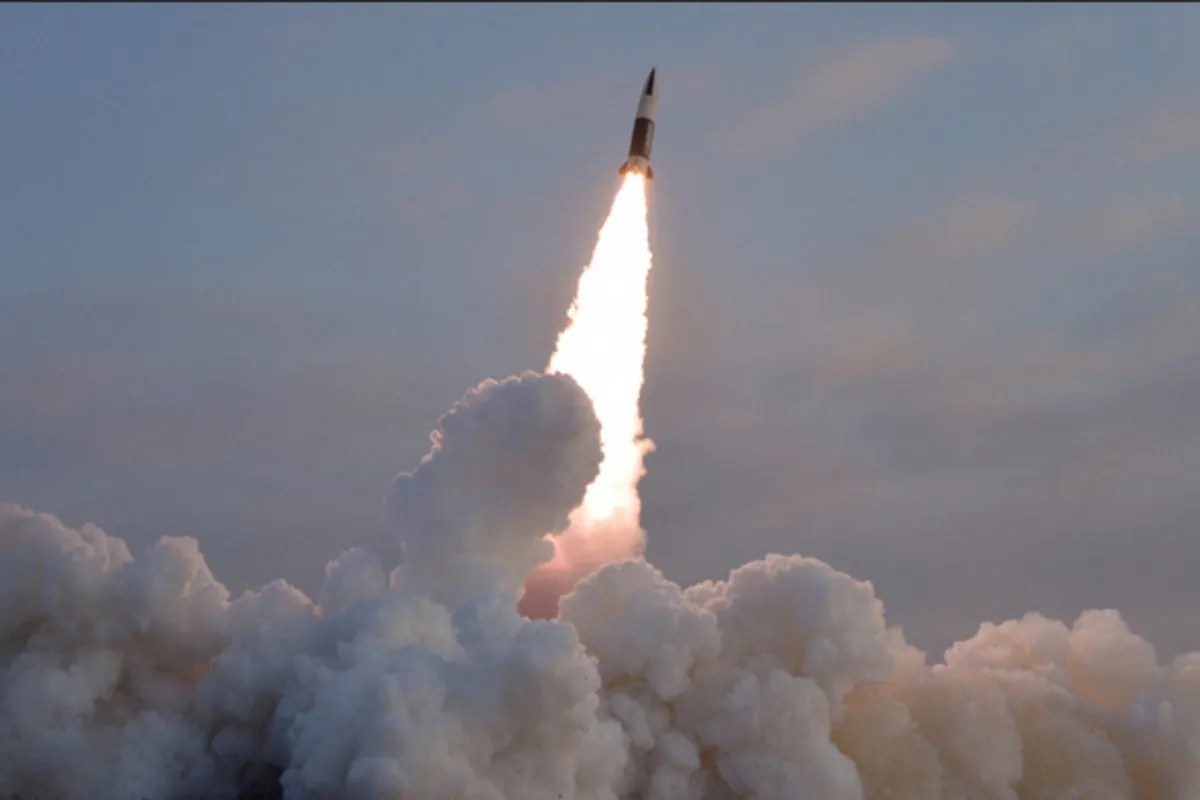
When a drone strikes an airport or an oil facility hundreds of miles across a border, the immediate reaction is usually simple: point the finger at Tehran and call it a day. But if you look closely at how the conflict between Yemen's Houthi movement and Saudi Arabia actually operates, treating the group as a mere remote-controlled puppet misses the point entirely. Political analysts love to debate whether the Houthis act entirely on orders or follow their own internal survival logic. The reality on the ground is far messier than a simple command-and-control chart.
Beyond the Proxy Label
You'll often hear commentators label regional armed groups as absolute proxies, implying they have no independent agenda. When analyzing recent cross-border missile launches and drone strikes targeting infrastructure in the Kingdom, foreign policy experts draw a sharp line between domestic governance and external projection. Domestically, the movement operates with deep-rooted local objectives, tribal alliances, and structural authority within Yemen.
However, when it comes to regional flashpoints—especially naval security near the Bab el-Mandeb strait and retaliatory messaging—their interests align neatly with Iran's broader deterrence strategy. Think of it as a convergence of convenience rather than blind obedience. Iran supplies smuggling networks, technical components, and financial channels, but the Houthis choose when and how to fire because the geopolitical pressure serves both parties.
Why Civilian Infrastructure Keeps Getting Hit
Strategic analysis of recent escalations reveals a shift toward economic coercion. By pressing targets near major aviation hubs and energy pipelines, the messaging goes beyond military posturing. It disrupts regional stability, drives up insurance and shipping costs, and forces adversaries to reconsider the cost of intervention.
- Economic disruption: Striking vital export infrastructure creates immediate ripples across global energy markets.
- Psychological pressure: Targeting civilian-adjacent zones shifts the political calculus for regional coalitions.
- Leverage multiplication: It gives secondary actors outsized influence during broader diplomatic standoffs.
Saudi security officials and regional analysts note that these campaigns draw the Gulf deeper into protracted multi-front crises, making quick diplomatic exits nearly impossible.
The Regional Ripple Effect
The friction doesn't stop at the Yemeni border. As maritime transit lanes through critical chokepoints face mounting risks, external players get sucked into the vortex. Neighboring states and international partners are forced to beef up air defense systems and naval patrols, creating a high-stakes environment where a single miscalculation can trigger a wider conflagration.
If you want to understand why these attacks persist despite years of counter-operations, stop looking for a single switch controlled from a capital abroad. The alliance survives because it works for both sides, turning local grievances into an international headache that won't fade away anytime soon.