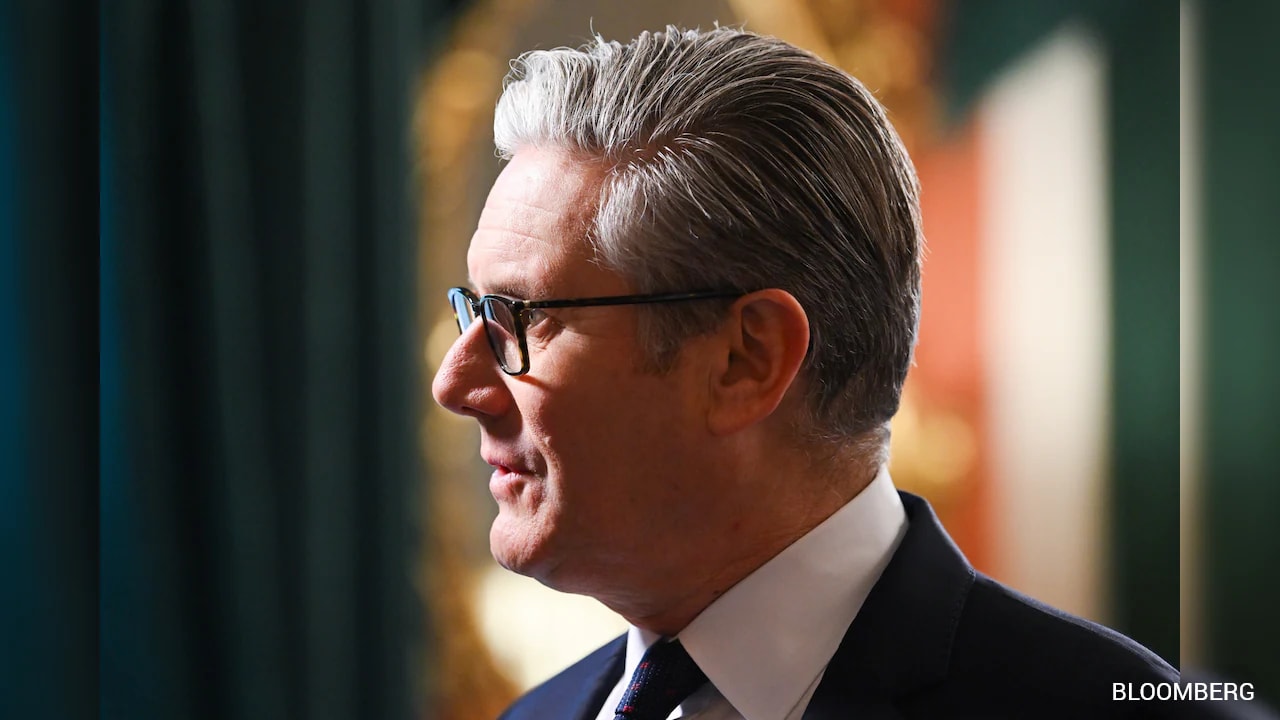
The British political machine is chewing up yet another prime minister. Less than two years after securing a historic 174-seat landslide victory, Keir Starmer stands on the absolute precipice of power. The Westminster whispers have turned into a deafening roar. Everyone expects an official exit timetable announcement on Monday morning outside Number 10 Downing Street.
If you think this is just standard political drama, you're missing the bigger picture. Britain is about to appoint its seventh prime minister in a single decade. That isn't just a party leadership crisis. It is a symptom of a deeply broken political system. Meanwhile, you can explore similar events here: The Anatomy of De-escalation: A Brutal Breakdown of the US Iran Bürgenstock Framework.
The Makerfield Trigger and the Rise of Andy Burnham
The immediate catalyst for this weekend's emergency talks at Chequers wasn't a sudden drop in the polls. Starmer's numbers have been dreadful for months, hitting a dismal −57% net favorability rating that rivals Liz Truss. The real match in the powder keg was a by-election in Makerfield.
Andy Burnham won that seat. To see the full picture, we recommend the recent article by USA Today.
By entering parliament, the former Greater Manchester mayor bypassed the biggest hurdle to a leadership challenge. He is now officially a lawmaker in the House of Commons. For months, backbenchers viewed Burnham as the king over the water. Now, he's in the room.
The momentum shifted with terrifying speed. Over the weekend, cabinet loyalists who spent months defending the prime minister changed their tune. They basically gave Starmer an ultimatum. Set a departure date by Monday morning, or face a brutal, career-ending ambush at Tuesday's cabinet meeting.
Why the Downing Street Reset Failed Completely
It's tempting to blame this entire collapse on the Makerfield result, but that's a lazy analysis. The foundations of Starmer's premiership have been rotting for a long time.
Voters were promised stable government and tangible economic relief. Instead, they got a relentless parade of policy U-turns, a biting cost-of-living crisis, and unforced political errors. Cutting winter fuel payments for pensioners alienated the core Labour base. Then came the disastrous decision to appoint Peter Mandelson as the UK ambassador to Washington, a move that triggered intense blowback and led to the resignation of Chief of Staff Morgan McSweeney back in February.
By the time Scottish Labour leader Anas Sarwar publicly called for Starmer to step down, the writing was on the wall. Starmer tried to patch over the cracks by bringing in old heavyweights like Gordon Brown and Harriet Harman as advisers. It didn't work. You can't reset a government when three-quarters of the public don't trust you to keep a single promise.
The Logistics of an Autumn Handover
So, what happens next? Starmer spent Friday claiming he would fight any leadership challenge. He insisted he wouldn't walk away. But behind closed doors at Chequers, reality set in.
His inner circle spent Saturday drafting a resignation speech. The goal now is a managed retreat rather than a chaotic eviction. Expect Starmer to announce a transition timetable that targets a formal departure in the autumn, likely around the annual Labour Party conference in late September.
This timeline makes practical sense for both sides. Burnham doesn't have a Downing Street team ready to go. He needs time to organize his shadow operations and build a policy platform. A rushed transition would paralyze the government right before a crucial autumn budget. An autumn handover also lets Starmer claim he is leaving on his own terms, protecting whatever remains of his political legacy.
The Looming Fight for the Labour Soul
Do not expect a totally smooth coronation for Burnham. While his allies are confidently raising campaign funds and scouting office space, other factions are moving.
Former Health Secretary Wes Streeting resigned from the cabinet in protest weeks ago. He has been quietly amassing the 81 MP signatures required to force a formal contest under party rules. Right-wing Labour MPs are already terrified that Streeting might cut a deal with Burnham, trading an early concession for the Foreign Secretary job. Meanwhile, the left wing of the party is furious over rumors that Burnham plans to keep hard-line Home Secretary Shabana Mahmood in place.
The internal fractures are deep. If the party tears itself apart over the next three months, the next prime minister will inherit an unmanageable civil war.
What You Should Watch for Next
The political landscape is shifting by the hour. Watch the steps outside Downing Street on Monday morning. If Starmer delivers a defiant statement without a clear date, the cabinet will mutiny by Tuesday.
If you want to understand where the power is moving, track the public movements of Andy Burnham and Wes Streeting over the next 48 hours. The letters of support or condemnation from backbench Labour MPs will tell you exactly how quickly this transition will happen. Prepare for a turbulent summer in British politics.