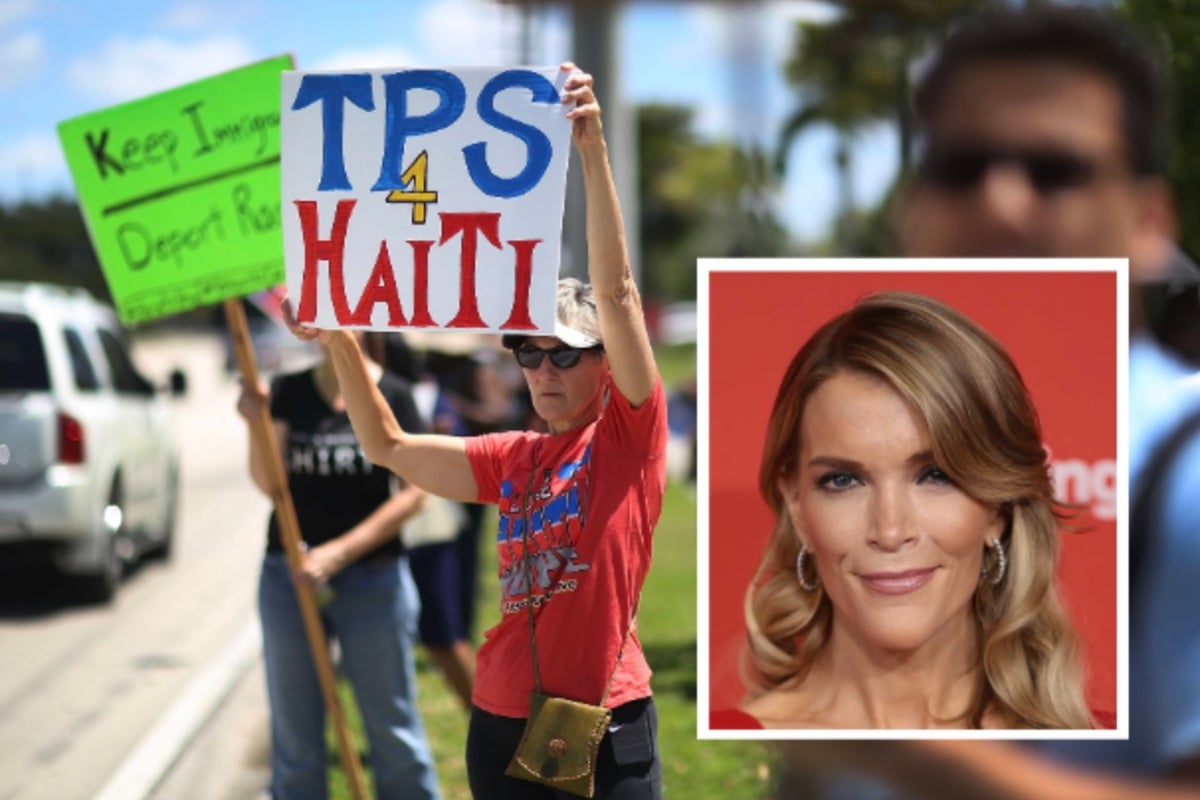
The media machine loves a good outrage cycle. It feeds on it. So when Megyn Kelly dedicated a massive chunk of her recent podcast to a controversial Supreme Court decision on immigration, the internet reacted exactly how you would expect. Critics immediately labeled her monologue a profoundly racist tirade against Haitian immigrants. Her supporters called it a blunt truth session about national sovereignty.
But if you look past the standard social media yelling, you find a much bigger story about policy, public perception, and how the media sanitizes legal realities.
This whole controversy did not appear out of thin air. It kicked off right after the Supreme Court handed down a massive victory for the administration’s immigration agenda. The high court cleared the way to end Temporary Protected Status, known as TPS, for hundreds of thousands of people from Haiti and Syria. It was a brutal legal blow for migrant advocates. It was a massive win for immigration hardliners.
When Kelly jumped on her show to dissect the ruling, she did not mince words. She attacked the U.S. asylum system. She criticized assimilation rates. Within minutes, social media clips flew across X and TikTok, triggering a massive wave of condemnation. Let's look at what actually happened behind the headlines.
The High Stakes Supreme Court Ruling That Sparked the Firestorm
To understand why people are so angry, you have to look at the legal framework that started this fight. Temporary Protected Status is supposed to be exactly what it says on the label. It is temporary. Congress created the program in 1990 to provide safe haven to foreign nationals living in the U.S. when their home countries are torn apart by war, environmental disasters, or extraordinary crises.
Haiti received its designation after the catastrophic 2010 earthquake. That was over a decade ago. Over the years, successive administrations extended that status because Haiti kept spiraling into political chaos and gang violence. By the time this case reached the Supreme Court, over 200,000 Haitians were living under this specific shield in the United States.
The legal question before the justices was simple. Does the executive branch have the absolute authority to end this status when it decides the original emergency conditions no longer apply? The conservative majority on the bench said yes.
The ruling effectively gave the government a green light to begin winding down the program for both Haitians and Syrians. This decision changes everything for families who built lives here. They now face the terrifying prospect of deportation to a country currently overrun by armed gangs. It is a human tragedy. It is also, according to the highest court in the land, perfectly legal.
Breaking Down What Megyn Kelly Actually Said on Her Show
Shortly after the verdict dropped, Kelly used her platform to discuss the ruling alongside guests from RealClearPolitics. This was not a dry legal analysis. Kelly leaned hard into the cultural anxieties that define modern immigration politics.
She targeted what she called the ridiculous claims undergirding the current asylum system. Her argument focused on the idea that TPS has been used as a backdoor loophole for permanent settlement without going through traditional legal immigration channels. She argued that the program has been extended repeatedly not because conditions haven't improved, but because politicians lack the backbone to enforce the expiration dates.
Then the commentary shifted into more volatile territory. Kelly spoke at length about the ongoing controversy surrounding Haitian immigration, specifically targeting communities where large numbers of migrants have settled. She questioned the rate of assimilation. She wondered out loud whether the influx of tens of thousands of people from a deeply unstable nation harms American infrastructure, schools, and local economies.
Critics heard those comments and saw a clear dog whistle. They argued she was painting an entire nationality with a broad brush, portraying them as a burden rather than as individuals fleeing horror. Her detractors noted that her focus on assimilation echoed older, darker nativist rhetoric that has targeted every major immigrant group in American history.
The Public Backlash and Accusations of Racism
The reaction was swift and fierce. Civil rights organizations and migrant advocacy groups wasted no time issuing statements condemning the broadcast. They called the commentary xenophobic, dehumanizing, and flat-out racist.
Advocates point out that Haitian immigrants have filled vital labor shortages across the country. In states like Ohio and Florida, they work in agriculture, healthcare, and manufacturing. They pay taxes. They buy homes. To suggest they cannot or will not assimilate ignores the reality on the ground in these towns.
The backlash also highlighted a deeper frustration with how mainstream conservative media treats the Haitian community. This is not an isolated incident. We have seen months of highly charged political rhetoric targeting Haitian migrants, often relying on unverified rumors and exaggerated local complaints. By focusing heavily on these negative framing devices right after a major court victory, Kelly became the perfect lightning rod for a community that feels constantly under siege.
On the other side of the ledger, Kelly’s defense team and conservative commentators rallied around her. They argue that discussing the strains of rapid immigration is a legitimate policy debate. They claim that calling someone racist for supporting the termination of a temporary program is a cheap tactic designed to silence valid criticism of border policy.
Media Echo Chambers and the Real Legal Reality of TPS
The problem with this entire blowup is that both sides are talking past each other. The media coverage focuses almost entirely on the emotional and cultural warfare, leaving the actual policy mechanics completely ignored.
Let's look at the numbers. The United States currently grants TPS to citizens from more than a dozen countries. When a country gets designated, those individuals receive work permits and protection from deportation. But they do not get a path to a green card or citizenship. They exist in a legal limbo.
When the court ruled that the administration can end these protections, it exposed the structural flaw of the whole system. Forcing people to live decade after decade on a temporary status is a recipe for disaster. It prevents true integration because their futures are always tied to the whims of whoever occupies the White House.
When a commentator rails against the system, they are tapping into a genuine frustration shared by people across the political spectrum. The system is broken. But blaming the migrants who used the legal tools available to them is a classic misdirection play. They did not design the laws. They followed them.
Why This Immigration Debate Cuts Deeper Than Media Feuds
This controversy is not just about a podcast episode or a single media personality facing a rough week on social media. It is about a fundamental disagreement over what America’s obligations are to the rest of the world.
One faction looks at Haiti and sees a neighbor in deep agony, a country plagued by systemic collapse where sending people back is a death sentence. They believe a wealthy nation has a moral duty to extend shelter. The other faction looks at the same situation and sees an unsustainable commitment, an endless extension of charity that undermines domestic laws and strains local resources.
We see this play out in towns across the nation. When a small city receives a sudden influx of several thousand new residents, it creates real friction. Schools have to hire translators. Hospitals face higher uncompensated care costs. Rental housing markets tighten up overnight. These are tangible, operational challenges that local mayors have to solve.
Instead of having an honest conversation about how the federal government can fund and support these impacted communities, the national conversation devolves into a screaming match about racism and political correctness. The real victims of this failure are the local residents dealing with strained services and the immigrants who are used as political footballs.
If you want to actually understand this issue, stop focusing on the loudest voices on your television screen or your social feeds. Start looking at the policy choices that got us here. The Supreme Court made its decision based on the text of the law. If Americans do not like the idea of deporting hundreds of thousands of established residents back to dangerous conditions, the solution does not lie in yelling at media figures. It lies in changing the laws in Congress.
Write to your representatives. Support organizations providing direct legal aid to families navigating the sunsetting of TPS. Demand a real legislative fix that provides permanent pathways for long-term residents instead of relying on temporary band-aids that blow up every election cycle. Take action on the policy, because the outrage machine will just find something else to scream about tomorrow.