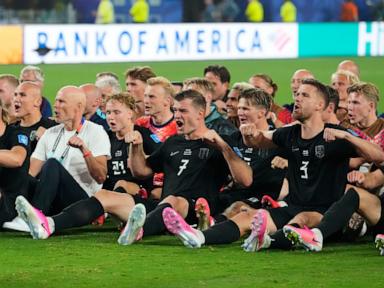
Social media had a collective meltdown when Erling Haaland and the Norwegian national soccer team landed at their World Cup training base in Greensboro, North Carolina. Rumors spread fast. Viral posts claimed the squad packed a massive 1,000 kilograms of food, including thousands of foreign oranges, because they supposedly terrified themselves over American food quality. Critics joked that the team was pulling a literal Viking raid on their own pantry to avoid eating a single American burger.
It makes for a funny headline, but it's completely wrong.
The internet completely misunderstood what elite sports nutrition actually looks like. Norway did not pack half their country's grocery supply because they think American food is toxic. They did it because sports science dictates that changing a player's diet mid-tournament is a fast track to getting knocked out early.
The Real Numbers Behind the Viking Kitchen
Let's clear up the actual logistics. The team didn't ship a literal ton of food, nor did they haul crates of fruit across the Atlantic. Head chef Aron Espeland confirmed the actual weight of the imported goods was roughly 580 kilograms, which is about 1,276 pounds.
The specific inventory highlights exactly what the culinary staff wanted to control.
- 300 kilograms of Norwegian salmon and trout
- 100 kilograms of halibut
- 80 kilograms of traditional brunost, which is that famous caramelized brown goat's cheese
- 100 kilograms of Jarlsberg cheese
The viral claims about 6,000 Norwegian oranges are pure fiction. The players do drink freshly squeezed orange juice every single morning, but those oranges are bought locally right in North Carolina.
Chef Espeland explicitly stated that the quality of local American ingredients has been excellent. The strategy isn't an insult to the host nation. It's about combining premium local produce with specific, highly familiar staples from home.
Why Consistency Beats Variety in World Cup Logistics
When you're competing at the highest level of human performance, predictability is everything. The human gut is incredibly sensitive to sudden environmental and dietary shifts. A minor change in cooking oils, dairy processing, or even the fat content of fish can trigger subtle digestive issues.
On the world stage, those subtle issues ruin campaigns.
Rafaela G. Feresin, an associate professor of nutrition at Georgia State University, pointed out that interpreting this logistical move as a lack of trust completely misses the point of high-performance nutrition. The goal isn't to judge the host country's food. The goal is to eliminate variables.
When athletes push their bodies to physical extremes in a high-stakes tournament, their immune and digestive systems are already under stress. Introducing unfamiliar flavors or heavily altering food routines messes with recovery, sleep quality, and gut health. If Erling Haaland eats a specific type of fish cooked a certain way before a Premier League match, he needs that exact same profile before playing France or Senegal.
Every Elite Team Travels with a Pantry
If you think Norway is acting elite or dramatic, you haven't looked at the history of international sports logistics. This is standard industry practice.
During the 2022 World Cup in Qatar, Argentina and Uruguay famously air-lifted thousands of pounds of traditional beef to their camps. They wanted to ensure their players could have their traditional asado barbecues, which served as both a massive protein source and a crucial psychological comfort.
Go back to 2014, and the United States Men’s National Team did the exact same thing when they traveled to Brazil. The US squad didn't trust that they could easily source their exact brands of comfort food, so they packed boxes of Cheerios, oatmeal, peanut butter, and bottles of A1 Steak Sauce.
Sports dietitians like Amy Goodson emphasize that this boils down to control and comfort. Food is psychological. Being away from home for a month under intense media pressure is exhausting. Eating a slice of Jarlsberg cheese or a familiar piece of salmon provides a mental reset that helps players relax.
What This Means for Your Own Performance Nutrition
You don't need to be an international soccer star to use this logic. The biggest mistake amateur athletes, marathon runners, and lifters make is changing their fuel source right before a major event.
Stop experimenting on game day. If you're traveling for a competition, pack your specific protein powders, your usual oats, or the exact snacks you use during training. Do not rely on whatever the hotel lobby or local grocery store happens to have on the shelves.
If you want to maintain peak physical output, find the staples that work for your digestion and lock them in. Build your meals around local, fresh produce like the Norwegian team does with American ingredients, but keep your core nutritional building blocks identical. Consistency will always outperform novelty when your body is on the line.