When an institution tasked with shaping teenagers into soldiers becomes the site of widespread sexual misconduct, public trust shatters. Yet, the systemic vulnerabilities embedded inside the UK military's junior entry system rarely receive the harsh scrutiny they demand.
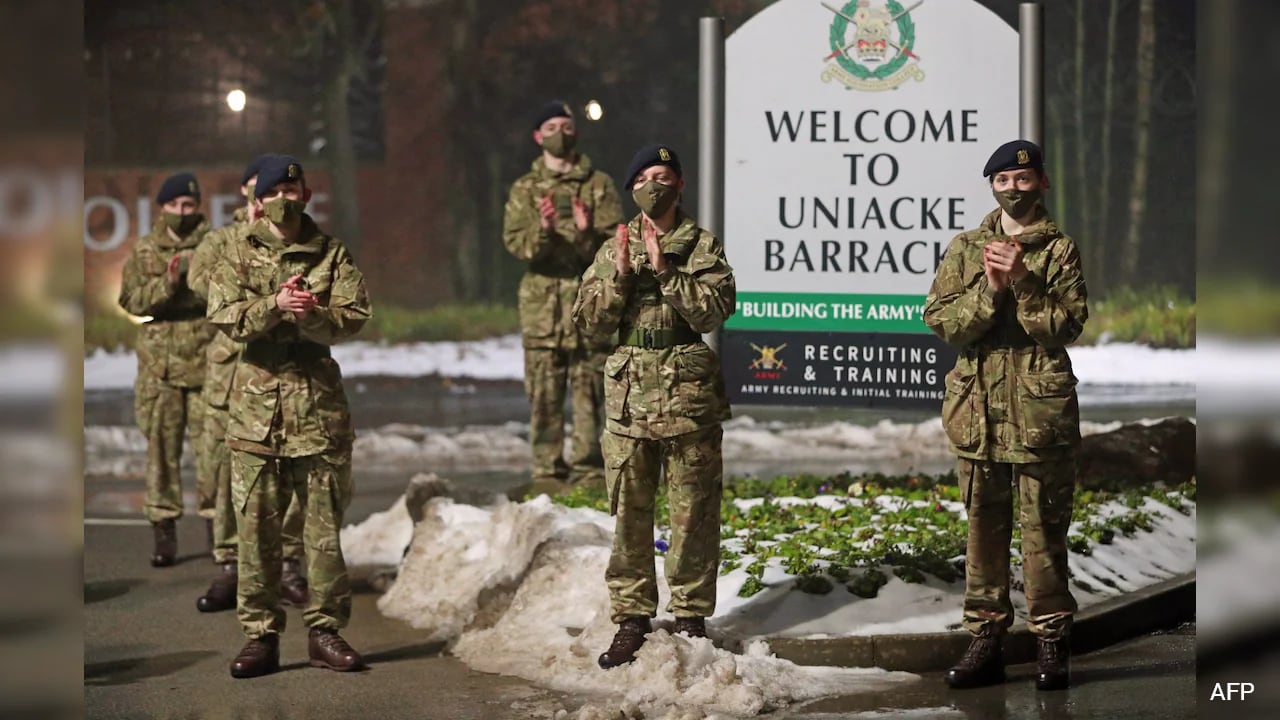
Official figures revealed under freedom of information laws exposed a deeply troubling reality at the Army Foundation College in Harrogate. Over a 13-month period, local civilian police received thirteen reports of sexual offenses. These included nine reports of rape, two of sexual assault, and two of voyeurism. This facility trains 16 and 17-year-olds who sign up for the British Army, making them some of the youngest military recruits in Europe.
How does an institution boasting an "outstanding" rating from education regulators harbor such alarming security failures? The answer lies in a toxic mix of extreme age imbalances, severe gender disparities, and an insular chain of command that historically protects the institution over the individual.
The Danger of Recruiting Minors
The UK stands alongside a shrinking group of nations, including the United States, that recruits children under 18 into armed services. While these teenage recruits aren't deployed to front-line combat zones until they turn 18, their foundational training happens inside a high-pressure military bubble.
Child rights advocates argue that this setup inherently magnifies risks. Minors lack the emotional maturity and legal leverage of older adults. When you combine teenage vulnerability with a rigid military hierarchy, the power dynamic becomes dangerously skewed. Instructors hold absolute authority over these young recruits' daily lives, living arrangements, and career paths.
Data highlights that female trainees face the sharpest edge of this imbalance. With a heavily male-dominated environment—often sitting at a nine-to-one male-to-female ratio—young women experience heightened exposure to harassment and predatory behavior. Parliamentary findings have repeatedly shown that female service members experience disproportionate levels of bullying, discrimination, and sexual abuse.
Breaking Down the Institutional Blind Spots
The problems at Harrogate aren't isolated incidents. They form part of a broader pattern documented across the British armed forces. In 2021 alone, twenty-two victims of sexual offenses were recorded at the Harrogate facility. Convictions of military instructors for abusing their positions of trust have punctured the narrative that internal safeguarding policies are enough to protect trainees.
Critics point out several structural flaws that allow misconduct to fester:
- Asymmetric Power Structures: Instructors exercise total control, making it terrifying for a 16-year-old trainee to report abuse up the chain of command.
- Isolation: Training camps isolate recruits from outside support networks, lowering oversight from civilian authorities and family members.
- Cultural Resistance: Institutional defensiveness often treats allegations as a threat to unit reputation rather than a criminal issue requiring transparent investigation.
Independent watchdogs note that traditional welfare frameworks fail because they rely heavily on internal reporting mechanisms. When junior soldiers depend entirely on the same command structure for their progression and protection, fear of retribution silences victims.
Moving Beyond Paper Policies
The Ministry of Defence has repeatedly introduced zero-tolerance policies and updated safeguarding protocols. Yet, statistics prove that policy documents alone cannot stop predatory behavior. True accountability requires independent civilian oversight, mandatory external reporting of all sexual offenses to civilian police, and a complete reevaluation of whether minors belong in military training environments at all.
Protecting young recruits demands more than institutional defense mechanisms. It requires confronting uncomfortable truths about power, vulnerability, and the hidden human cost of early military recruitment.