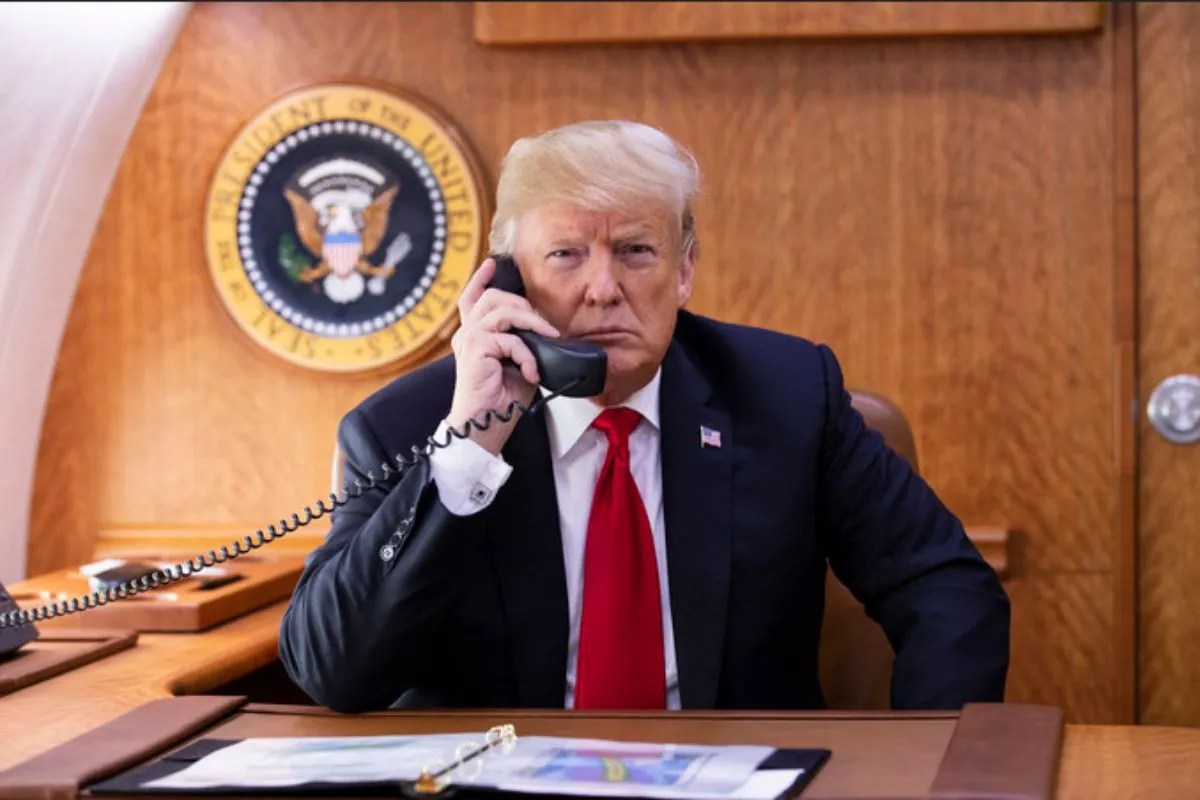
The global oil market is holding its breath, and for good reason. For weeks, headlines have blared that a historic breakthrough between Washington and Tehran is just around the corner. Donald Trump himself fueled the fire by stating that Iran is "dying to make a deal" and giving Tehran a strict deadline to respond to a fresh American proposal.
But if you think a signature on a piece of paper means long-term peace in the Middle East, you're missing the bigger picture. If you enjoyed this piece, you should read: this related article.
The current diplomatic dance isn't a sudden burst of goodwill. It's a high-stakes poker game played under the shadow of a devastating military conflict. Just months ago, the skies over Tehran were lit up by joint US and Israeli airstrikes following the collapse of initial nuclear talks. Now, after a temporary ceasefire mediated by Pakistan, both sides are staring down a fragile 50/50 window. Trump openly admits it's a toss-up between a permanent settlement and striking Iran "to kingdom come."
Behind the optimism lies a brutal reality of military threats, economic chokeholds, and deep structural distrust that a single treaty won't fix overnight. For another perspective on this event, refer to the recent coverage from TIME.
The Reality Behind Trump’s 15 Point Plan
The administration's public posture looks like a classic art of the deal play, but the actual demands are incredibly steep. Washington's core strategy relies on forcing concessions that Iran has spent decades resisting.
Vice President JD Vance made the administration's redlines clear: Iran must provide an affirmative commitment that they will never seek nuclear weapons or the tools to build them. In practice, this means a policy of zero uranium enrichment. It's an absolute non-negotiable for the White House, backed by Secretary of State Marco Rubio’s cautious but firm coordination from global capitals.
The proposed American framework breaks down into a distinct two-phase ultimatum:
- Phase 1: An immediate extension of the temporary ceasefire and the absolute, unconditional reopening of the Strait of Hormuz to restore global energy transit.
- Phase 2: A 45-day negotiation window in Islamabad to finalize permanent terms, including the dismantling of Iran's advanced ballistic missile programs and cutting off funds to regional proxy groups like Hezbollah.
In return, the US is dangling conditional sanctions relief and the unfreezing of billions in Iranian assets abroad. Trump’s special envoy Steve Witkoff and adviser Jared Kushner have been working the phones with Gulf mediators, trying to lock down a regional security framework.
But here is the catch: Iran's foreign ministry and its top negotiators have already countered with their own 14-point peace proposal. While Trump claims Tehran has agreed to stop enriching uranium, the head of Iran’s Atomic Energy Organization publicly maintains that they won't accept permanent limits on their national sovereign rights.
Why a Deal is a High-Stakes Gamble for Both Sides
Honestly, both leaders are running out of time and options, which is the real reason they are at the negotiating table. For Trump, the war has brought heavy strategic liabilities. While the US military has immense destructive power, recent intelligence leaks revealed that the US has significantly depleted its own stockpile of advanced missile-defense interceptors. Protecting regional bases and allies indefinitely during an extended war isn't sustainable without stretching Western defense manufacturing to a breaking point.
For Tehran, the pressure is internal and existential. Before the military strikes even began, widespread domestic protests shook the country's major cities, fueled by a collapsing economy and failing infrastructure. The joint US-Israeli bombing campaign damaged critical desalination facilities and energy plants, pushing the population further toward the edge.
Furthermore, Iran's retaliatory move—closing the Strait of Hormuz—backfired diplomatically. By choking off a fifth of the world's oil and gas supplies, they alienated key regional neighbors. Gulf states quickly pushed a UN Security Council resolution demanding the reopening of the strait, leaving Iran more isolated than ever.
Tehran needs the sanctions lifted to survive domestically, but giving up its entire nuclear program feels like regime suicide to the conservative elite.
The Missing Pieces the Headlines Ignore
What most news outlets fail to mention is that any signed agreement faces a minefield of implementation failures. Even as diplomats discuss a 60-day ceasefire extension, the current truce is violated by both sides on a weekly basis.
There's also the wild card of regional actors who aren't at the table. Israel’s foreign ministry has explicitly called the complete securing of all enriched nuclear material within Iran a hard precondition for any lasting peace. If Jerusalem feels a US deal is too soft, unilateral military action remains a distinct possibility, regardless of what Washington signs.
Then there is the logistical nightmare of enforcement. A truly effective deal requires intrusive, snap inspections of facilities buried deep underground. These sites require tons of specialized bunker-buster munitions just to damage from the air, meaning checking them from the ground requires total Iranian compliance. If the state machinery falters or radical factions within the security forces resist, the deal collapses instantly.
The Immediate Global Fallout
If a breakthrough happens over the weekend, expect a massive, immediate drop in global oil prices. The temporary removal of sanctions on transit oil would flood the market, easing the burden on inflation-weary Western economies. The shipping lanes through the Strait of Hormuz would see immediate naval escorts, lowering maritime insurance premiums that have skyrocketed since the blockade began.
If the talks collapse, Trump’s fallback plan is already sitting on the desk. Sources close to the planning indicate the Pentagon has finalized targets for a renewed bombing campaign. This "No More Mr. Nice Guy" doctrine focuses on wiping out Iran’s civilian infrastructure, including every major power plant and transport bridge across the country.
The next steps aren't about celebrating a diplomatic victory. Watch the movement of US Marine and airborne units currently deploying to the region. Watch whether the Qatari and Pakistani delegations can get Iran's supreme leadership to accept the zero-enrichment clause before the Sunday deadline expires. The line between a historic treaty and total regional escalation has never been thinner, and the final decision won't come from a place of mutual trust, but pure survival.