Geopolitical posturing often crosses a line from routine saber-rattling into outright existential threats, and Donald Trump's recent rhetoric regarding Iran takes that escalation to a staggering new extreme. When a world leader openly questions on national television when he should "blow the entire nation up," it stops being standard political theater and becomes a chilling look at the fragility of modern global stability. Yet, if you only look at the sensational headlines, you're missing the deeper strategic game being played across Washington and Tehran.
We need to look past the blunt force of the quotes to understand why this specific ultimatum matters right now. Iran's leadership, responding to intense economic pressure and regional conflict, has warned of a "decisive war," pushing back against mounting Western demands. Trump countered with an aggressive choice: accept strict terms, open crucial shipping lanes like the Strait of Hormuz, or face total annihilation. This isn't just about two stubborn administrations trading insults. It's a high-stakes standoff over energy corridors, military deterrence, and the shifting boundaries of twenty-first-century warfare.
The Real Leverage Behind the Rhetoric
Most analysts get bogged down trying to decode every single inflammatory word, but diplomacy at this level runs on tangible pressure points. The threat to completely obliterate a country functions as a maximalist opening gambit. By setting the ceiling of potential violence as high as humanly possible, the administration aims to force immediate capitulation without necessarily deploying boots on the ground.
Look at how recent conflicts have played out. Proponents of this hardline approach point to rapid military interventions and aggressive economic blockades as proof that overwhelming force short-circuits protracted stalemates. But Iran isn't a minor regional actor. Decades of sanctions, asymmetric warfare capabilities, and deep-rooted alliances across the Middle East mean that any kinetic escalation carries catastrophic global blowback. Oil prices spike, global shipping lanes freeze, and local proxy networks activate overnight.
Why the Strait of Hormuz Remains the Ultimate Flashpoint
You can't understand this crisis without looking at the geography. A massive chunk of the world's petroleum flows through a narrow maritime chokepoint that Tehran has repeatedly threatened to close. When Washington issues an ultimatum demanding free passage, it's protecting global supply chains as much as it is projecting geopolitical dominance.
If you own the sea lanes, you control the economic pulse of half the planet. Iran knows this, which is why control over the Strait remains their primary defensive card. Threats of total destruction are designed to break that leverage once and for all, forcing Iranian leadership to choose between economic survival and national devastation.
The danger lies in miscalculation. When both sides back themselves into corners with fiery rhetoric, the margin for error shrinks to zero. A stray drone, a misread radar signature, or a delayed diplomatic signal can turn a war of words into an irreversible military catastrophe. We are watching a dangerous game of chicken where both drivers refuse to tap the brakes.
The real question isn't whether these threats will materialize into full-scale war tomorrow. It's whether any diplomatic off-ramp remains viable once politicians start talking about erasing entire civilizations. Keep a close eye on backchannel negotiations and regional intermediaries, because that's where the actual outcome of this crisis will be decided, long before any final ultimatum expires.
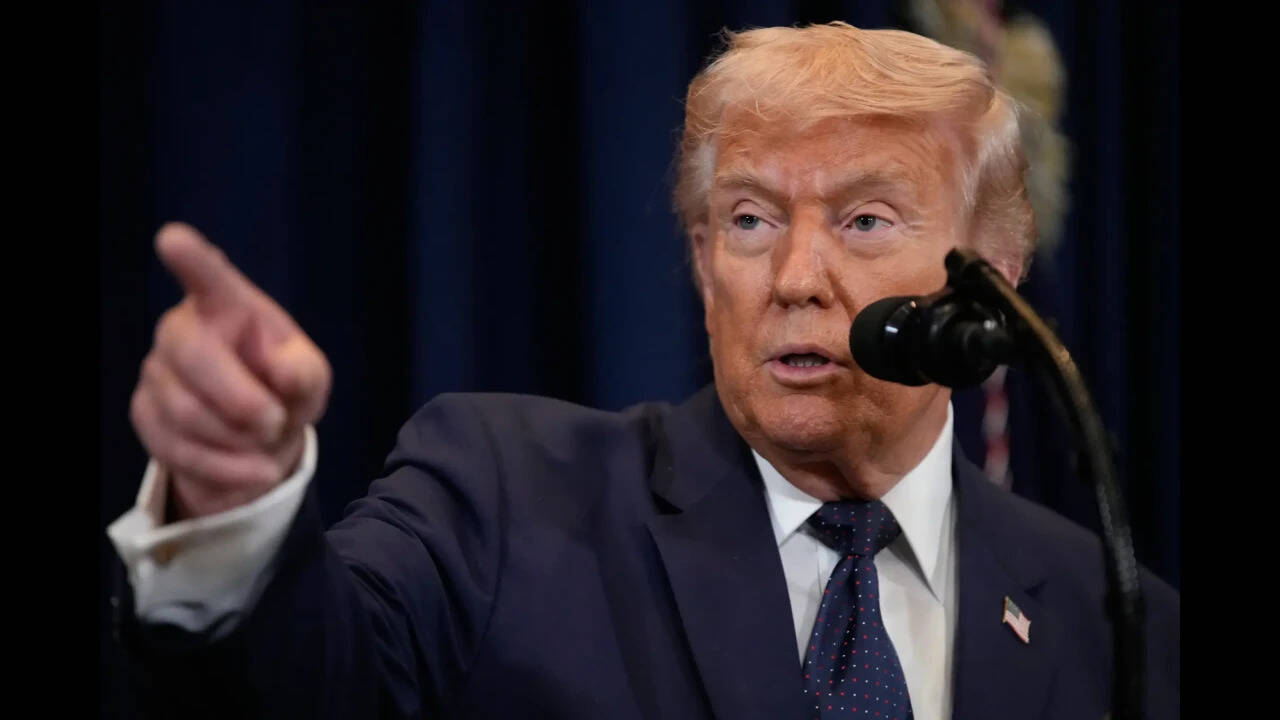
Trump's Iran Ultimatum: 'When Do I Blow Entire Nation Up?'
This video is relevant because it provides direct footage and news coverage of Donald Trump's controversial remarks regarding the Iran ultimatum and potential military escalation.