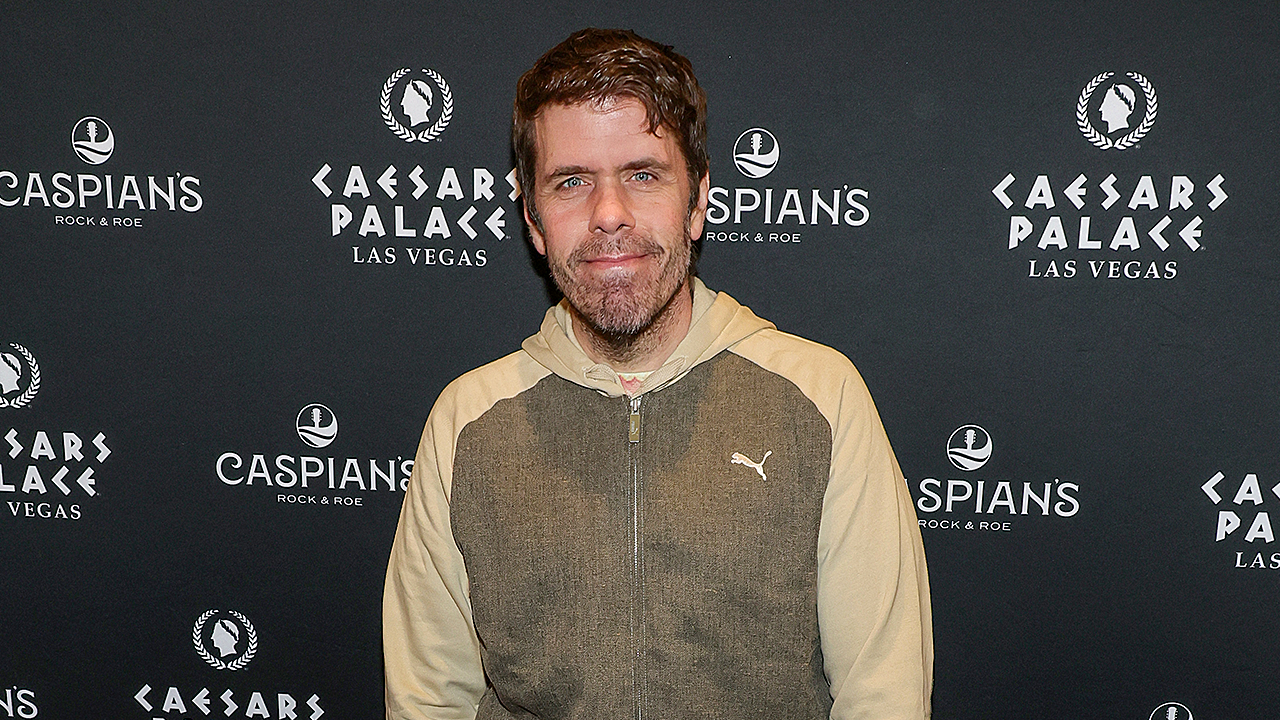
The internet let out a collective, exhausted sigh when headlines broke that Perez Hilton was back in action while still tethered to a hospital bed. The lazy consensus across the media ecosystem was predictable: Look at the relentless hustle. Behold the unkillable parasite of early-aughts celebrity culture, refusing to log off even under medical duress.
That narrative is entirely wrong. If you enjoyed this article, you should check out: this related article.
Perez Hilton resuming blog updates from a hospital room is not a triumph of work ethic. It is an autopsy report. It is the definitive proof that the standalone celebrity gossip blog is a dead business model, kept twitching by pure muscle memory and the grim economics of programmatic ad banners.
I spent years watching media operators burn venture capital trying to capture the lightning-in-a-bottle toxicity of the mid-2000s blogosphere. I've seen editorial budgets slashed to zero while traffic chasing became a race to the bottom. When people look at a creator frantically publishing blind items through an IV drip, they cheer for resilience. They should be mourning the obsolescence. For another angle on this development, see the recent update from BBC.
The Death of the Independent Gossip Monopoly
Let us strip away the sentimentality and look at the actual mechanics of digital publishing.
In 2007, Mario Armando Lavandeira Jr. built an empire on crude MS Paint doodles, malicious nicknames, and breaking celebrity drama hours before mainstream outlets could clear it with legal counsel. It was fast. It was mean. It was centralized. If you wanted to know who got arrested, who gained weight, or who broke up, you went to one specific URL.
That monopoly vanished years ago.
Today, celebrity news is a hyper-decentralized, peer-to-peer ecosystem. TikTok sleuths dissect DeuxMoi submissions in real-time. Reddit communities crowdsource investigations with forensic precision that puts professional journalists to shame. Celebrities themselves bypass the middleman entirely, dropping pregnancy announcements, divorces, and apologies directly on Instagram or YouTube, starving third-party aggregators of original scoops.
When a legacy gossip blogger has to post from a hospital bed to keep the lights on, it reveals a terrifying structural flaw: the moment they stop moving, the machine stops printing money. There is no recurring subscription revenue. There is no high-value product ecosystem. There is only raw, transactional pageview arbitrage. If you do not write, the programmatic ad networks do not pay.
That is not an enterprise. That is a digital treadmill with no off switch.
The Illusion of the Grind
We glorify overwork in digital media because we are terrified of admitting that the underlying math no longer works.
Imagine a scenario where a traditional web publisher generates two million monthly pageviews entirely from celebrity scandal commentary. Ten years ago, with high CPM rates and rich display advertising, that was a comfortable lifestyle business. Today, with ad-blocker adoption, platform referral traffic crashes, and Google algorithmic shifts favoring AI-generated summaries and massive aggregator sites, those same two million pageviews yield a fraction of the revenue.
To maintain the same cash flow, the operator must double or triple output. Quality plummets. Nuance evaporates. The site descends into a hyper-active loop of aggregation, rewriting tweets and spinning breathless headlines out of mundane Instagram stories.
Publishing from a hospital bed is the logical endpoint of this desperation. It signals that the operation lacks the financial runway, the team depth, or the asset diversification to survive a medical emergency without risking total audience churn. If your business collapses because you spent forty-eight hours sleeping off an IV bag, you do not own a media company. You own a second-hand job that you cannot quit.
Why the Audience Has Moved On
The cultural appetite for malicious celebrity snark has fundamentally shifted, yet legacy gossip sites refuse to adapt.
Audiences used to consume celebrity gossip as a spectator sport where famous people were flat targets for ridicule. Today, the power dynamic has inverted. Viewers view hyper-aggressive gossip through a lens of psychological exhaustion. We understand the toll of constant public scrutiny because we live in a culture saturated by digital surveillance ourselves.
When a blogger doubles down on the exact same tactics that worked during the peak of the 2008 celebrity tabloid wars, they are speaking a language that younger demographics actively reject. Gen Z and younger millennials do not want a snarky tyrant telling them who looks bloated or who is feuding. They want parasocial authenticity, community-driven commentary, or absolute detachment.
The standalone gossip blog tried to survive by becoming louder, faster, and more ubiquitous. But in the attention economy, ubiquity without distinction is just noise.
The Real Lesson Nobody Wants to Learn
The spectacle of a veteran blogger working through a health crisis serves as a warning to every independent creator operating today.
If your monetization model relies entirely on trading your physical presence for algorithmic scraps, you are building on quicksand. Diversification is not a buzzword; it is survival. If you cannot step away from your keyboard for a week without your revenue dropping to zero, you have engineered a prison, not a business.
We need to stop romanticizing digital martyrdom. Pushing through exhaustion, illness, and burnout to feed an ad-tech beast that cares nothing about your well-being is not dedication. It is a symptom of a broken ecosystem where creators are forced to run twice as fast just to stay in the exact same place.
Stop praising the hustle when the house is on fire. Pull the plug. Build assets that compound while you sleep, or accept that you are just renting space on a treadmill designed to wear you down to the bone.