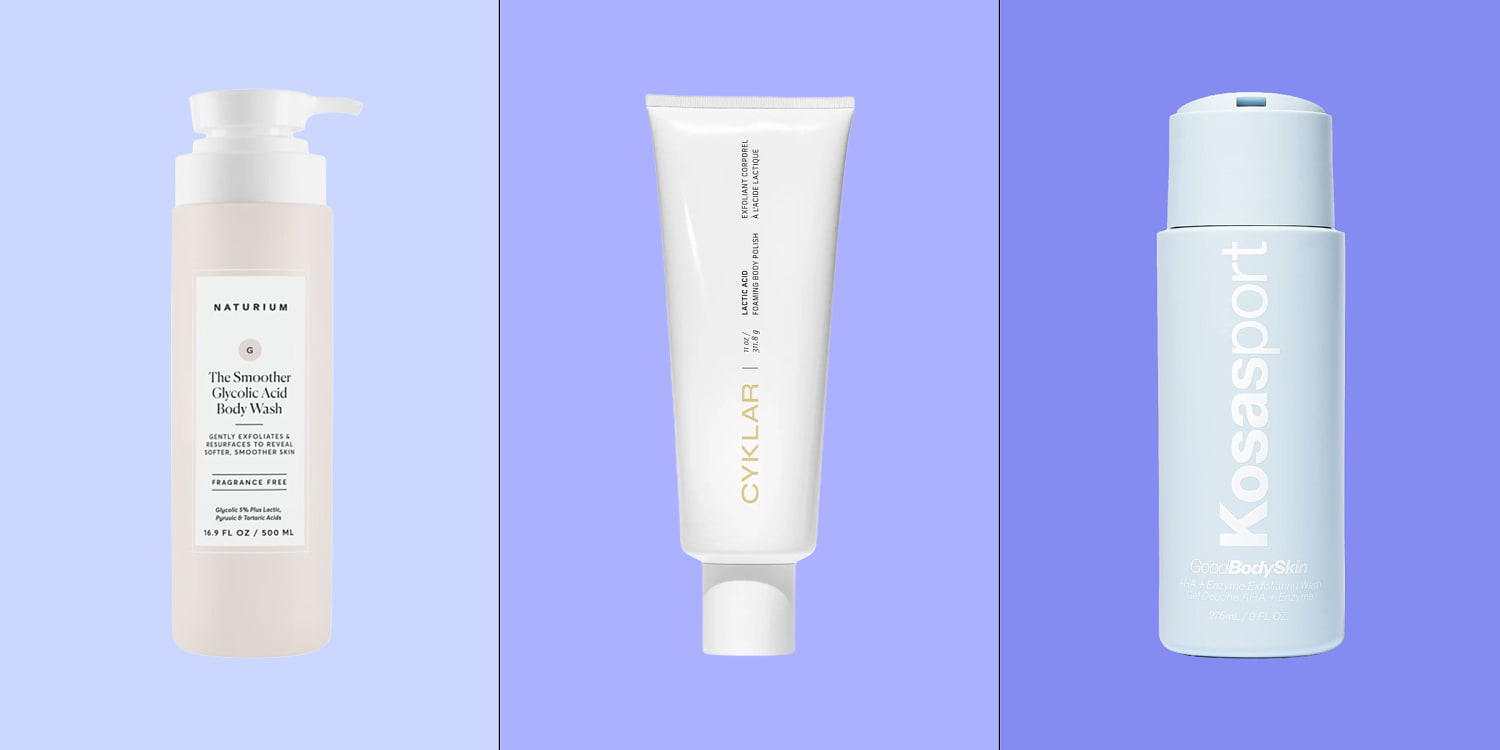
Exfoliating body washes are largely an inefficient delivery mechanism for chemical and physical keratolytics. Because a rinse-off cleanser remains on the stratum corneum for less than sixty seconds before dilution and mechanical removal, active ingredients rarely achieve the threshold contact time required to dissolve corneodesmosomes—the protein structures binding dead keratinocytes together. For most healthy individuals, daily mechanical cleansing with a standard surfactant and water is sufficient to support the skin's natural desquamation cycle. However, targeted exfoliation becomes clinically useful when hyperkeratinization disrupts this cycle, leading to conditions such as keratosis pilaris, truncal acne, or ingrown hairs. Optimizing body exfoliation requires decoupling the cleansing step from the keratolytic step, matching the mechanism of action to specific epidermal pathologies, and strictly managing the risk of barrier disruption.
The Mechanics of Epidermal Turnover and Desquamation
To evaluate whether an exfoliating product is necessary, one must first understand the baseline biology of the stratum corneum. The human epidermis is a continuously renewing tissue. Basal keratinocytes divide, migrate upward, lose their nuclei, and flatten into corneocytes—dead, keratin-filled cells embedded in a lipid matrix composed of ceramides, cholesterol, and free fatty acids. In healthy, young adult skin, this transit and shedding process, known as desquamation, takes approximately 28 days. In similar news, read about: Inside the Nevada Children's Hospital Gap Nobody Is Talking About.
Desquamation is not a passive sloughing of dead skin; it is an active, enzyme-driven biochemical process. Specific proteases—primarily kallikrein-related peptidases (KLK5 and KLK7)—degrade the corneodesmosomes that anchor corneocytes to one another. These enzymes require two specific environmental conditions to function optimally: an acidic surface pH (typically between 4.5 and 5.5, known as the acid mantle) and adequate hydration within the stratum corneum.
When either of these variables is compromised, enzymatic degradation stalls. Corneocytes fail to detach, resulting in an abnormal buildup of surface scale, clinically termed hyperkeratosis or xerosis. World Health Organization has also covered this important issue in extensive detail.
Three primary factors disrupt natural desquamation on the body:
- Alkaline Surfactant Exposure: Traditional bar soaps and harsh body washes possess a high pH (often 8.0 to 10.0). Washing with high-pH cleansers temporarily spikes the skin's surface pH, inactivating acid-dependent kallikrein enzymes and halting natural exfoliation.
- Low Ambient Humidity and Dehydration: Water acts as a plasticizer for keratin and a necessary medium for hydrolytic enzymes. In dry environments, reduced transepidermal water content stiffens corneocytes and suppresses enzyme activity, causing cells to clump together visibly as flaky skin.
- Chronological Aging and Hormonal Shifts: As the body ages, the rate of basal cell mitosis slows, extending the epidermal turnover cycle from 28 days to upwards of 45 to 60 days. Concurrently, natural lipid synthesis declines, impairing water retention and further slowing enzyme-mediated shedding.
In the absence of these disruptions, the mechanical friction of water, hands, or a soft washcloth during a standard shower provides sufficient shear force to remove detached corneocytes. Adding an exfoliating wash to an already balanced system introduces unnecessary friction and chemical irritation without accelerating basal cell renewal.
The Formulation Bottleneck in Rinse-Off Cleansers
The central flaw of an exfoliating body wash lies in its pharmacokinetic profile—specifically, the conflict between cleansing efficiency and active ingredient bioavailability. A body wash is engineered to lift sebum, sweat, and environmental debris via surfactants (amphiphilic molecules that form micelles) and immediately rinse away. Chemical exfoliants, conversely, require sustained contact with the stratum corneum to penetrate the lipid barrier and alter cellular cohesion.
This creates a fundamental formulation bottleneck governed by three variables: concentration, pH, and residence time.
Alpha-Hydroxy Acids (AHAs)
Water-soluble acids such as glycolic acid (smallest molecular weight, deepest penetration) and lactic acid (larger molecular weight, dual function as a humectant) work by chelating calcium ions from cell junctions and disrupting ionic bonds between corneocytes. For an AHA to penetrate the stratum corneum effectively, the formulation must have a low pH—ideally below 4.0—so that a significant fraction of the acid exists in its un-ionized, free-acid form.
In a rinse-off body wash, water from the shower stream immediately dilutes the product, raising the pH toward neutrality (7.0) and ionizing the acid molecules, which renders them largely incapable of penetrating the lipid-rich stratum corneum. Furthermore, a 30-to-60-second wash cycle is insufficient for meaningful acid diffusion.
Beta-Hydroxy Acids (BHAs)
Salicylic acid is lipid-soluble, allowing it to bypass the aqueous limitations of AHAs and partition directly into sebum-filled sebaceous follicles. This makes it uniquely effective for follicular hyperkeratinization (blackheads, whiteheads, and inflammatory truncal acne). Unlike AHAs, salicylic acid retains some keratolytic efficacy across a slightly broader pH range, and its lipophilic nature allows a small fraction to bind to skin lipids even during brief contact. However, at standard over-the-counter wash concentrations (0.5% to 2%), significant follicular clearance still requires deliberate application—letting the lather sit on target areas for two to three minutes prior to rinsing.
Polyhydroxy Acids (PHAs)
Molecules like gluconolactone and lactobionic acid possess multiple hydroxyl groups and significantly larger molecular structures than glycolic acid. Because of their physical size, they penetrate the stratum corneum slowly and superficially, acting primarily on the outermost layers of dead cells while attracting water via their hydroxyl groups. While this minimizes stinging and barrier irritation, it also makes them the least effective option in a rapid rinse-off format.
Physical Abrasives
Exfoliating washes relying on physical scrubs—such as hydrated silica, jojoba esters, pumice, or crushed nut shells—operate via direct mechanical shear. Unlike chemical acids, physical abrasives do not depend on pH or extended residence time; their effect is instantaneous upon friction. The limitation here is mechanical uniformity. Particles with irregular, jagged geometries (such as crushed apricot pits or walnut shells) create microscopic lacerations in the stratum corneum. Smooth, spherical particles (such as synthetic wax beads or micro-fine hydrated silica) distribute shear force evenly, yet they cannot discriminate between a dead, partially detached corneocyte and a healthy, firmly anchored one.
Categorizing Skin Pathologies and Keratolytic Matches
Evaluating the utility of body exfoliation requires moving away from universal routines and adopting a targeted, pathology-driven model. Different anatomical regions and dermatological conditions demand distinct mechanisms of action.
- Keratosis Pilaris (KP): Often presenting on the posterior upper arms, anterior thighs, and buttocks, KP is a genetic disorder of follicular keratinization. Excess keratin forms hard plugs within the hair follicles, creating a rough, papular texture ("chicken skin") often accompanied by perifollicular erythema. Physical scrubs are counterproductive here; aggressive friction shears off the top of the keratin plug while inflaming the surrounding tissue, worsening redness. Treatment requires chemical dissolution using lactic acid (which softens keratin and hydrates), salicylic acid (which penetrates the follicular ostium), or urea (a potent keratolytic at concentrations above 10% that breaks hydrogen bonds in keratin proteins).
- Truncal Acne (Bacne and Chest Breakouts): The skin on the upper back and chest features a high density of large sebaceous glands and thicker stratum corneum than facial skin. Sebum accumulation combined with dead skin cells and Cutibacterium acnes proliferation drives comedone and pustule formation. A 2% salicylic acid wash is clinically viable here, provided the user enforces a two-minute contact window before rinsing, allowing the lipophilic acid to dissolve sebum plugs.
- Pseudofolliculitis and Ingrown Hairs: Common in areas subjected to shaving or waxing (axillae, groin, lower legs), ingrown hairs occur when a sharpened hair shaft curves back into the epidermis or fails to pierce a thickened stratum corneum. A combination strategy works best: gentle physical exfoliation prior to hair removal lifts trapped hairs to the surface, while low-concentration glycolic or salicylic acid applied post-shave (once acute micro-trauma has healed) prevents hyperkeratotic skin from sealing over the follicle opening.
- Plantar and Acral Hyperkeratosis: The skin on the heels, soles, elbows, and knees naturally develops a markedly thicker stratum corneum to withstand chronic mechanical pressure and friction. Standard body washes have negligible impact on these regions. Reducing thick calluses requires high-concentration chemical keratolytics (20% to 40% urea or 6% salicylic acid creams) paired with controlled mechanical filing (pumice stones) on hydrated skin.
- Xerotic and Eczematous Skin: Dry, flaky skin resulting from atopic dermatitis, psoriasis, or winter xerosis is fundamentally a disorder of barrier failure and lipid depletion, not an excess of healthy skin cells. Attempting to scrub away dry flakes strips away remaining intercellular lipids, accelerating transepidermal water loss (TEWL) and triggering an inflammatory cytokine cascade. These conditions require occlusives, humectants, and barrier-repair lipids, with exfoliation strictly contraindicated until the barrier is intact.
The Cost Function of Over-Exfoliation
Every exfoliation event represents a controlled injury to the epidermal barrier. When executed within physiological limits, this controlled stress stimulates mild epidermal renewal and smooths surface topography. When frequency, concentration, or mechanical force exceeds the skin's rate of lipid synthesis and corneocyte maturation, the intervention crosses into pathology.
The physiological cost of over-exfoliation manifests through a predictable chain of events:
- Intercellular Lipid Depletion: Surfactants and acids strip away ceramides, cholesterol, and free fatty acids from the extracellular matrix of the stratum corneum.
- Elevated Transepidermal Water Loss (TEWL): Without an intact hydrophobic lipid mortar, water evaporates rapidly from the viable epidermis into the environment.
- Subclinical Inflammation and Cytokine Release: Keratinocytes sense the sudden drop in hydration and structural integrity, releasing pro-inflammatory cytokines (such as IL-1 alpha) and signaling mast cell degranulation. This produces erythema, stinging, pruritus, and a tight, shiny appearance often mistaken by consumers for "clean, polished" skin.
- Microbiome Destabilization: Disrupting the acid mantle and stripping surface lipids alters the cutaneous microenvironment, suppressing commensal bacteria like Staphylococcus epidermidis and creating an ecological niche for opportunistic pathogens like Staphylococcus aureus.
- Rebound Hyperkeratosis: In response to chronic barrier stripping and accelerated cell loss, basal keratinocytes upregulate proliferation to protect underlying tissues. Because these cells rush through differentiation without proper lipid processing or enzyme activation, they accumulate on the surface as rough, scaly patches—ironically worsening the exact texture the user was attempting to eliminate.
Operational Protocol for Body Exfoliation
To maximize keratolytic efficacy while preserving the structural integrity of the epidermal barrier, body exfoliation must be treated as a targeted chemical or mechanical intervention rather than a daily hygiene habit.
Step 1: Decouple Cleansing from Exfoliation
Execute daily hygiene using a syndet (synthetic detergent) bar or a non-soap liquid cleanser formulated at a physiological pH (4.5 to 5.5). Focus cleansing on intertriginous zones (axillae, groin, inframammary folds) and feet, where apocrine sweat and microbial density are highest. Avoid daily surfactant stripping of the arms and legs unless visibly soiled.
Step 2: Optimize the Delivery Vehicle
If a rinse-off exfoliating wash is used for convenience on large surface areas like the back, treat it as a short-contact mask. Apply the product to damp skin outside the direct stream of water, massage gently, and allow a minimum residence time of 120 to 180 seconds before rinsing. For stubborn conditions like keratosis pilaris or acral calluses, abandon rinse-off washes entirely in favor of leave-on lotions containing 10% to 12% ammonium lactate, 10% to 20% urea, or 2% salicylic acid. Leave-on formulations guarantee prolonged bioavailability and stable pH kinetics.
Step 3: Calibrate Frequency to Anatomical Thickness
Establish a baseline schedule governed by regional anatomy and seasonal humidity. Limit dedicated chemical or physical exfoliation on the torso and extremities to one or two sessions per week during humid months, dropping to once every ten to fourteen days during dry winter months. Reserve higher frequencies (three to four times weekly) exclusively for thick-skinned, hyperkeratotic zones such as the heels and elbows.
Step 4: Enforce Post-Exfoliation Barrier Recovery
Exfoliation temporarily increases skin permeability, creating a prime window for hydration—and a high risk for dehydration. Within three minutes of exiting the shower, while the stratum corneum remains saturated with water, apply an emollient rich in physiological lipids (ceramides, cholesterol, fatty acids) and humectants (glycerin, hyaluronic acid). This traps absorbed water, artificially restores the lipid matrix, and provides the aqueous environment necessary for natural kallikrein enzymes to resume normal desquamation.
Step 5: Monitor for Early Barrier Fatigue
Eliminate all exfoliating agents immediately if the skin exhibits stinging upon application of bland moisturizers, persistent erythema, micro-fissuring, or a tight, waxy sheen. Transition to a strict barrier-recovery protocol (pH-balanced syndet cleanser and plain petrolatum or ceramide cream) for a full 28-day epidermal turnover cycle before reintroducing any keratolytic agent at half the previous frequency.