The wind off the Adriatic Sea smells of salt, decomposing seagrass, and, increasingly, aviation fuel. If you stand on the edge of the Narta Lagoon in southwestern Albania, the silence is what hits you first. It is an expansive, heavy silence, broken only by the rhythmic slosh of shallow water against the mudflats and the occasional, distant whoosh of thousands of wings.
Then come the trucks.
They arrive with a low, sub-audible rumble that vibrates through the soles of your shoes before you actually hear the engines. They carry crushed stone. They carry rebar. They carry the literal foundation of a global playground designed for people who will never know the name of the village they are flying into.
For generations, this patch of the Balkan coastline belonged to a different kind of traveler. Every winter, the shallow waters of the lagoon turn a soft, vibrating shade of pink. Greater flamingos, thousands of them, touch down here during their long migrations across the Mediterranean. They are joined by Dalmatian pelicans, slender-billed gulls, and dozens of other species that rely on this specific, fragile ecosystem to survive.
But a new ecosystem is being built on top of the old one. A multi-billion-dollar luxury resort and international airport project, backed by high-profile foreign investors including the Trump family's development pipeline, is currently transforming this protected wetland into a playground for the ultra-wealthy.
It is a classic collision of worlds. On one side, local conservationists and international scientists argue that destroying the lagoon will sever a critical artery in the Adriatic flyway, a migratory highway used by millions of birds. On the other side, the Albanian government and international developers promise economic salvation, jobs, and a spot on the global luxury tourism map for a country that was isolated from the world for decades.
To understand what is being lost, you have to look past the political headlines and the famous family names. You have to look at the mud.
The Geography of Interruption
A lagoon is not just a body of water. It is a filter, a nursery, and a buffer. For a flamingo, the Narta Lagoon is the equivalent of a crucial highway rest stop on a cross-continental road trip. Imagine driving for three days through a desert with only one gas station along the route. If you arrive and find that gas station has been replaced by a five-star hotel that doesn't sell fuel, you don't just get annoyed. You strand.
The birds do not have alternative routes pre-programmed into their DNA. They rely on the specific salinity of Narta's water, which supports the tiny brine shrimp and algae that give the flamingos their signature pink color.
The construction noise alone is a weapon of displacement. Heavy machinery generates low-frequency vibrations that mimic the sound of natural predators or incoming storms. For a nesting bird, a bulldozer working two miles away can cause enough stress to make them abandon their eggs. When the airport opens, the problem intensifies. Jet engines produce decibel levels that can permanently disrupt the communication patterns of avian colonies, effectively blinding them to the social cues necessary for mating and migration.
Local fishermen, who have worked these waters for generations using traditional wooden traps, are already seeing the changes. The water is cloudier now. Runoff from the construction site carries fine silt that settles over the seagrass beds, choking out the small fish and crustaceans that form the base of the food web.
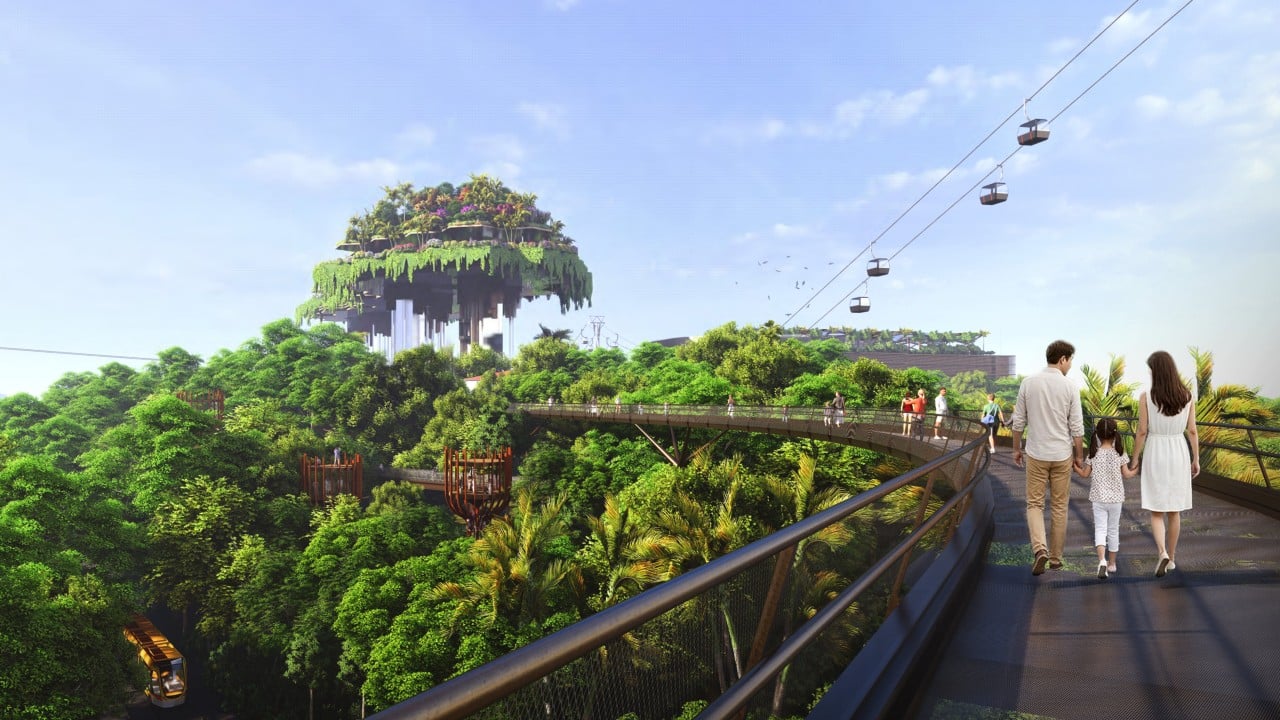
Consider the scale of the transformation. The project includes an international airport with a two-mile runway, a marina, luxury villas, and high-rise hotels. This is not a boutique eco-lodge. It is a massive, permanent urban imprint placed directly into a designated protected area.
The Price of Admission
The argument for the development is entirely financial. Albania is a nation striving for economic modernization. For decades under a rigid communist dictatorship, the country was virtually sealed off from the global economy. When the regime collapsed in the early 1990s, it left behind a population eager for growth, infrastructure, and international recognition.
From a boardroom in New York or a government office in Tirana, the Narta wetlands look like wasted space. It is a swamp that isn't making money. By transforming it into a high-end destination, developers argue they are bringing vital capital into a region that desperately needs it. They promise thousands of jobs during construction and a permanent boost to the local hospitality sector.
But tourism capital is notoriously fickle. It tends to flow inward toward the luxury enclaves and then immediately outward toward international corporate bank accounts. The locals who once fished the lagoon may find themselves working as bellhops or security guards on the land their grandfathers used to navigate by stars.
There is also the question of ecological debt. When a wetland is paved over, its natural capacity to absorb storm surges and prevent coastal flooding is destroyed. The concrete that replaces the mudflats cannot absorb water. In an era of rising sea levels and increasingly unpredictable Mediterranean storms, removing a natural buffer zone is a high-risk gamble. The short-term profits of villa sales are weighed against the long-term, public cost of environmental degradation.
A Fragmented Sky
The conflict in Albania is not an isolated incident. It is part of a global pattern where the last remaining wild spaces are reclassified as prime real estate. The irony is that the ultra-wealthy are drawn to these locations precisely because of their untouched, pristine beauty. Yet, the very act of building the infrastructure required to accommodate them destroys the asset they came to see.
Scientists tracking the Mediterranean migratory routes have already noted a decline in the number of birds stopping at Narta. Some have diverted to smaller, less suitable wetlands nearby, where food is scarce and competition is fierce. Others simply disappear from the count.
The transformation of the lagoon is moving quickly. The concrete cures in the sun. The glass facades of the upcoming hotels reflect a sky that is emptier than it was last year.
On a quiet evening, if you walk far enough away from the construction fences, you can still see a small flock of flamingos standing in the shallows. They face into the wind, their long necks curved like question marks against the darkening water. They do not know about zoning laws, foreign investments, or the powerful families reshaping the coastline. They only know that the water is getting shallower, the noise is getting louder, and the place they have returned to for thousands of years is becoming somewhere else.