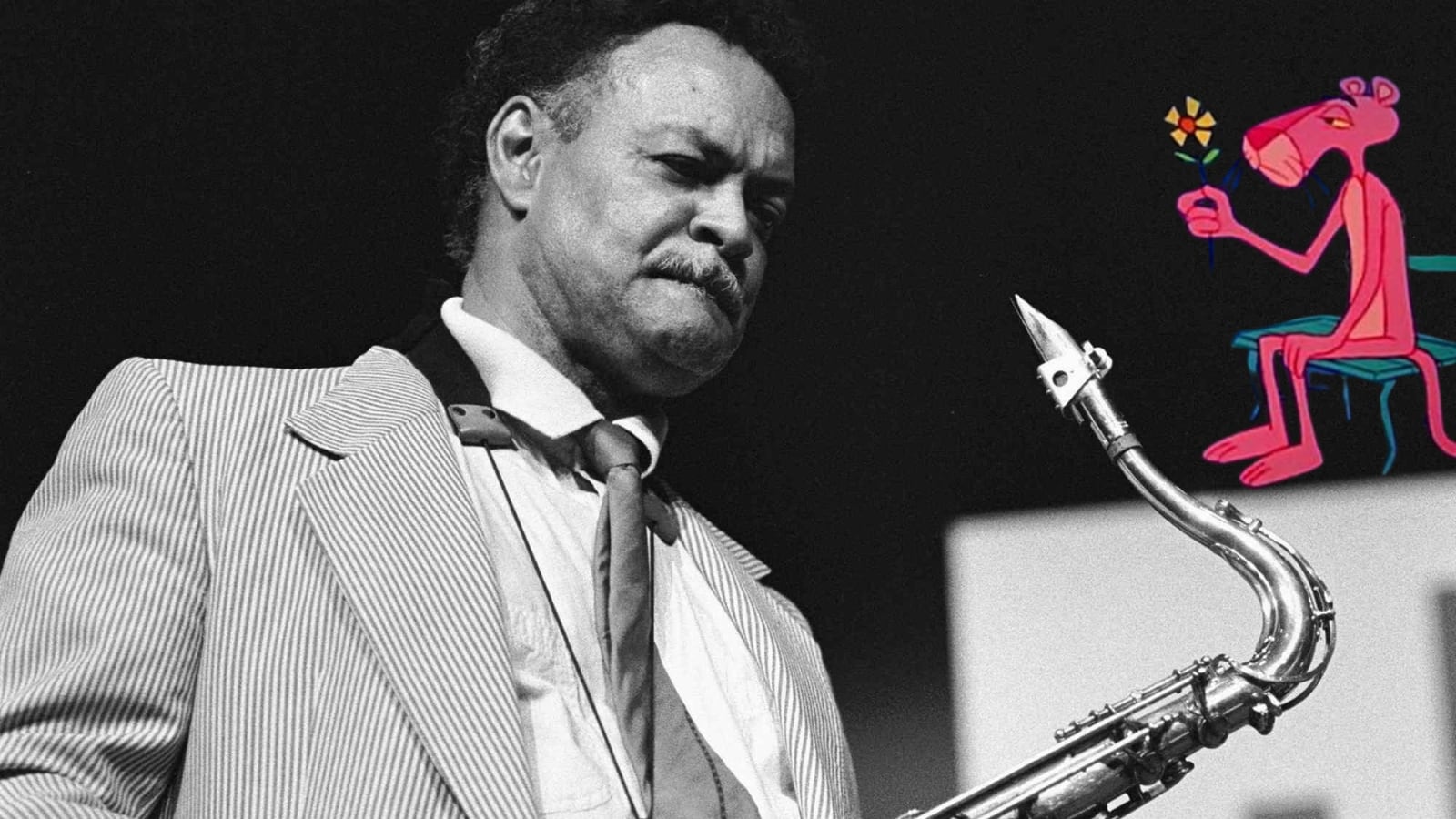
When Henry Mancini wrote the low-slung, sneaky melody for The Pink Panther Theme back in 1963, he knew standard session playing wouldn't cut it. He wrote that legendary line for one man: Plas Johnson.
The Louisiana-born tenor saxophonist died on July 15, 2026, in Granada Hills, Los Angeles, at 94 years old. He passed away just six days shy of his 95th birthday. While most casual music fans might not know his name instantly, millions know his sound. That sultry, tip-toeing saxophone solo defined cool for generations. If you found value in this piece, you might want to read: this related article.
Plas Johnson wasn't just a film soundtrack soloist. He was an absolute titan of studio recording during the golden age of American popular music.
Two Takes to Make Cinema History
In 1963, Mancini called Johnson into the studio to record the score for Blake Edwards' classic comedy film starring Peter Sellers. Mancini handed over the sheet music for the main theme. It called for a tone that felt mischievous, smooth, and slightly dangerous. For another look on this development, check out the recent update from IGN.
Johnson picked up his tenor horn and delivered.
They wrapped the recording in just two takes. When the final note faded, something almost unheard of happened in a Hollywood soundstage. The entire studio orchestra stood up and applauded. That included the string section, a group notoriously hard to impress during long recording sessions. Johnson later joked about how rare that moment was, noting that classical string players almost never applaud for anybody.
That track went on to earn three Grammy awards and an Oscar nomination for best original score. The American Film Institute eventually ranked it 20th on their list of the greatest film scores ever created.
The melody works because Johnson didn't overplay. He knew how to let notes breathe. He bends the opening phrase just enough to give it character without turning it into a cartoon.
The Anonymous Architect of American Hits
Before he became the sound of the Pink Panther, Johnson was already a workhorse in Los Angeles recording studios. Born Plas John Johnson Jr. in Donaldsonville, Louisiana, on July 21, 1931, he grew up surrounded by music. His father played banjo and saxophone. When Plas was twelve, his father bought him a soprano sax. He spent hours copying phrases off radio broadcasts and old records.
He started playing jump-blues and R&B gigging with his brother, pianist Ray Johnson, before moving out to Los Angeles in 1954. Once in Southern California, Johnson quickly became a central figure in the legendary group of studio players known as The Wrecking Crew.
If you listened to hit radio in the 1950s, 1960s, or 1970s, you heard Plas Johnson. He backed up an incredible roster of stars:
- Frank Sinatra
- Nat King Cole
- B.B. King
- Sam Cooke
- Ella Fitzgerald
- Peggy Lee
- Marvin Gaye
- Carole King
- Linda Ronstadt
Record producers relied on Johnson because he possessed a rare gift. He could drop a short eight-bar or twelve-bar solo into a pop track and instantly lift the whole song. He knew how to step into the spotlight for fifteen seconds, leave a massive impression, and step right back out so the lead singer could shine.
Yet like many studio musicians of that era, his name rarely appeared on record sleeves. Producers often left session players off album credits to keep band image clean or to cut costs. White groups frequently toured behind records that Black studio veterans like Johnson actually recorded in Los Angeles basements. Johnson spoke candidly in later years about how frustrating it was to hear million-selling records he played on without getting credit on the jacket.
Fifteen Years on Late Night Television
Starting in 1970, Johnson brought his trademark horn sound to living rooms across America every weeknight. He spent 15 years as a featured member of the house band on The Merv Griffin Show.
The gig offered steady work and reliable pay, something rare for jazz musicians in the late twentieth century. It allowed him to keep his chops sharp while continuing to record independent jazz albums under his own name. He released albums through Capitol, Concord Jazz, and Carell Music over a career spanning six decades.
Even as music trends shifted from big band jazz to rock, funk, and electronic pop, producers kept calling Johnson whenever they needed a genuine, soulful tenor sound. His flexibility across genres made him an industry legend. He played baritone sax, alto, clarinet, and flute with equal skill when a arrangement called for it.
The Secret Behind the Signature Tone
What made Johnson's tone so distinctive was his connection to the Louisiana jump-blues style of his youth. Influenced heavily by saxophone pioneers like Illinois Jacquet and Gene Ammons, Johnson leaned into a warm, thick tone with a subtle growl at the edges.
He didn't rely on flashy, hyper-fast scales. He focused on phrasing, timing, and pitch bending. On The Pink Panther Theme, his entrance relies on microtonal slurs—sliding between notes rather than hitting them directly. That tiny stylistic choice gives the song its iconic sneaking feel.
If you want to hear what made Johnson special beyond the Pink Panther score, listen to his work on Sam Cooke's 1962 classic Twistin' the Night Away or his soaring fills behind Frank Sinatra on Capitol Records releases from the late 1950s. You'll hear an expert craftsman who never wasted a single note.
How to Explore His Greatest Tracks Today
If you only know Plas Johnson from movie trailers, you're missing out on a massive catalog of brilliant American music.
Start by checking out his 1959 Capitol album This Must Be the Plas, which showcases his ability to blend jazz sophistication with raw R&B grit. Follow that up with his 1976 Concord Jazz release Positively, where his full, round tenor tone gets plenty of room to stretch out across classic standards.
To appreciate his session legacy, pull up the credits for Henry Mancini's The Music from Peter Gunn (1958) or Linda Ronstadt's 1983 standards album What's New. His contributions to American pop culture are permanent, embedded deep in the grooves of thousands of classic vinyl records.