The media consensus is in, and it is as lazy as ever. Donald Trump mixes up the names of Volodymyr Zelensky and Vladimir Putin, and the pundit class immediately rushes to pump out hundreds of identical articles tracking the "mortifying gaffe." They track these verbal stumbles like they are decoding the Rosetta Stone, treating a slip of the tongue as a definitive psychological diagnosis or a fatal political wound.
They are entirely missing the point.
Fixating on names is the ultimate mid-witted trap. In the high-stakes theater of global politics, linguistic precision has almost zero correlation with structural power or strategic execution. While commentators hyperventilate over a mismatched syllable, they completely ignore the underlying policy shifts, economic levers, and transactional diplomacy that actually dictate international relations.
Let us stop pretending that a press conference misstep is a national security crisis. It is time to look at what is actually happening beneath the noise.
The Flawed Premise of the Political Memory Test
Mainstream political coverage operates on a flawed premise: that a leader’s competence is directly proportional to their performance on an impromptu vocabulary quiz.
When a politician swaps the names of two adversarial leaders, the immediate narrative is that they cannot tell them apart, or worse, that they fundamentally misunderstand the conflict. This is a massive leap in logic that defies basic cognitive science. Neurological slips happen under stress, exhaustion, and the sheer volume of public speaking hours these figures endure.
More importantly, it treats politics as an academic exercise.
International diplomacy is not won by the person who memorizes the foreign minister directory fastest. It is governed by a brutal calculus of leverage, resource management, and state interests. I have spent years analyzing policy implementation, and I can tell you that the staffers drafting the bilateral agreements do not care if the guy at the top calls the president of Ukraine by the wrong name, provided the funding lines, weapons systems shipments, and geopolitical posture remain aligned with their objectives.
To judge a leader's foreign policy solely on verbal accuracy is like judging a CEO’s corporate turnaround strategy based on whether they misspoke a client’s name during a morning scrum. It is irrelevant to the bottom line.
The Cognitive Map vs. The Script
To understand why gaffe culture is a distraction, we have to differentiate between a leader’s verbal script and their cognitive map.
- The Script: This is the public-facing rhetoric. It is highly manufactured, heavily focus-grouped, and designed for consumption by 24-hour news networks. This is where gaffes happen.
- The Cognitive Map: This is the actual framework a politician uses to understand power. For Trump, that map is notoriously transactional. He views global relations through the lens of trade balances, defense spending percentages, and personal leverage.
Whether he says "Putin" or "Zelensky" in a chaotic media scrum does not change his core stance on NATO funding or his view on territorial compromises. His actions—such as pressuring European nations to hit their 2% GDP defense targets or questioning open-ended financial aid—are driven by a consistent, predictable ideology.
The media focuses on the script because analyzing a cognitive map requires actual work. It requires reading policy papers, tracking defense appropriations, and understanding trade law. It is much easier to clip a five-second video, call it "mortifying," and watch the traffic roll in.
The Asymmetry of Media Outrage
This obsession with verbal perfection creates a massive blind spot for voters. When we treat every rhetorical stumble as an existential threat, we lose the ability to judge actual policy failures.
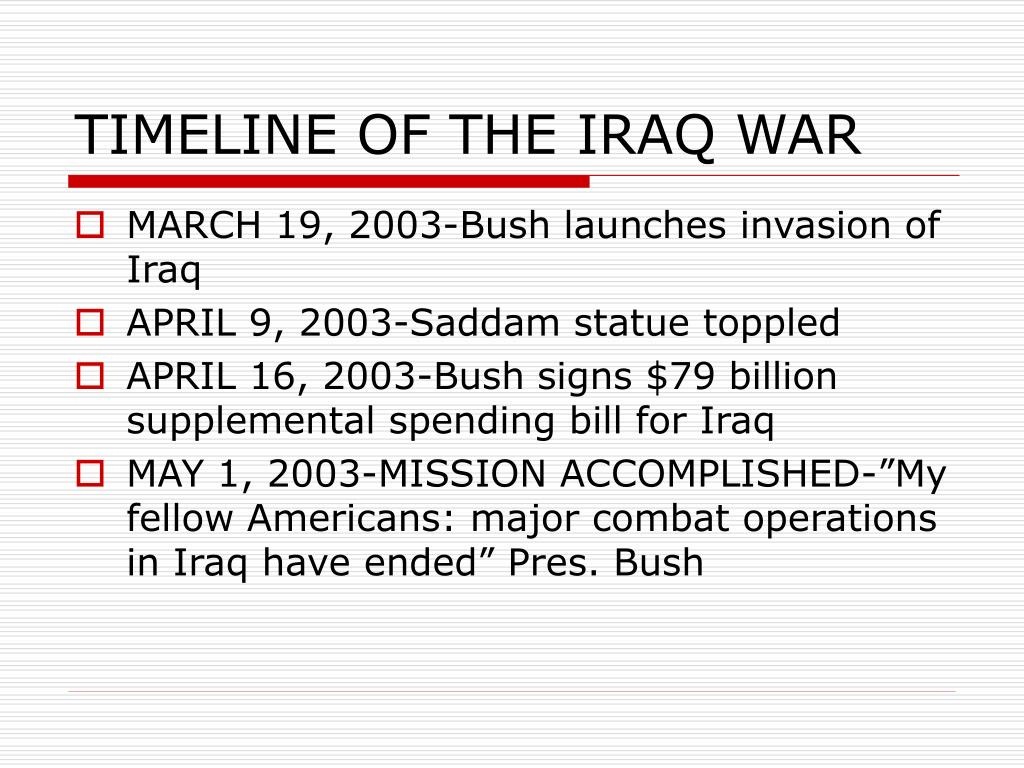
Consider the historical precedent. Some of the most articulate leaders in modern history have presided over catastrophic foreign policy decisions. The smooth, error-free rhetoric of the early 2000s foreign policy establishment walked the world straight into protracted, multi-trillion-dollar conflicts in the Middle East. Every name was pronounced correctly. Every teleprompter cue was hit flawlessly. The result was a generation of destabilization.
Conversely, leaders who routinely mangled the English language have managed massive geopolitical shifts. The standard for success cannot be a flawless public reading.
The Cost of the Distraction
When the public conversation is dominated by gaffes, the real mechanisms of power escape scrutiny. While the headlines debate a verbal mix-up, the following critical issues go unexamined:
- Defense Industrial Base Capacity: The real issue in Eastern Europe is not what a politician calls the leaders, but whether Western factories can produce enough artillery shells to meet demand.
- Sanctions Evasion Tactics: The complex financial networks moving dark money and restricted technology through third-party nations matter infinitely more than a press conference slip.
- Strategic Ambiguity: Sometimes, chaotic rhetoric is used deliberately to keep adversaries off balance. By treating every error as a sign of decline, commentators miss the tactical utility of unpredictability.
Dismantling the Pundit Playbook
Go look at any major outlet's coverage of these events. The structure is always the same. They cite a tweet from an opposition strategist, reference an anonymous source who claims people are "deeply concerned," and tie it to a broader narrative of capability.
It is a closed loop of self-referential nonsense.
If you want to understand where foreign policy is actually heading, look at the appointments. Look at the advisors being brought into the inner circle. Look at the white papers coming out of the influential think tanks. That is where the reality of the next administration is being forged, not on a stage where a tired politician is trying to field rapid-fire questions from a hostile press corps.
The risk of this contrarian view is obvious: it can look like an excuse for mediocrity or a dismissal of basic standards. But the alternative is far worse. By elevating superficial optics over substantive strategy, we get exactly the kind of leadership we deserve: highly polished, perfectly spoken empty suits who know exactly what to say while the ship sinks.
Stop watching the clips. Stop tracking the stumbles. Start reading the budgets.